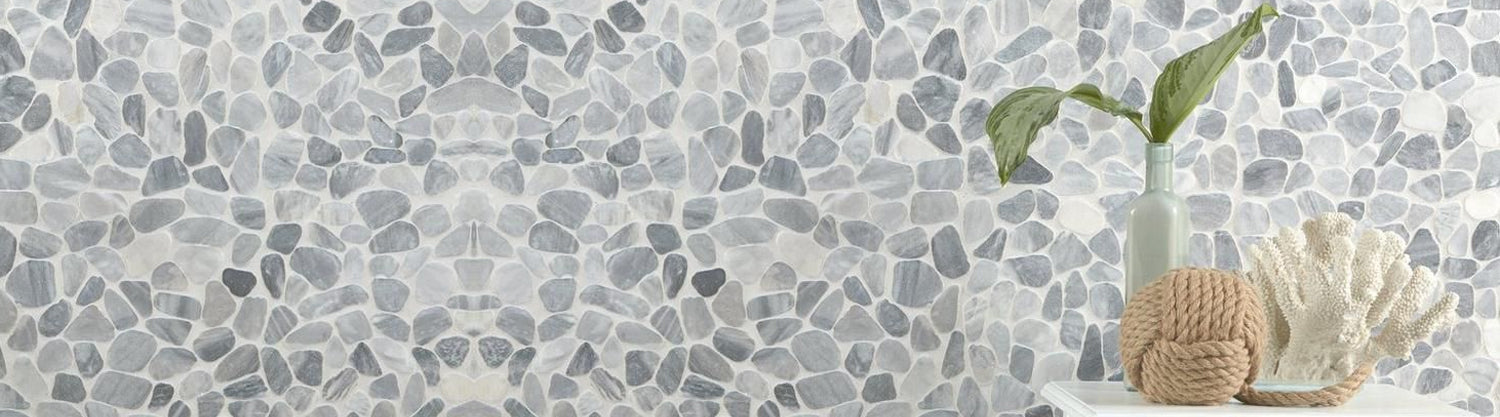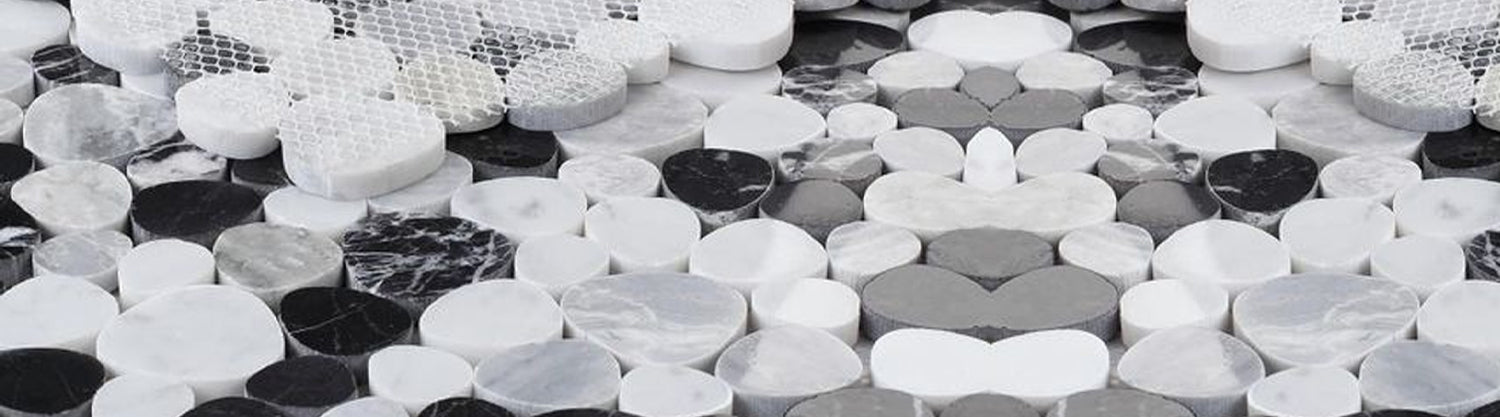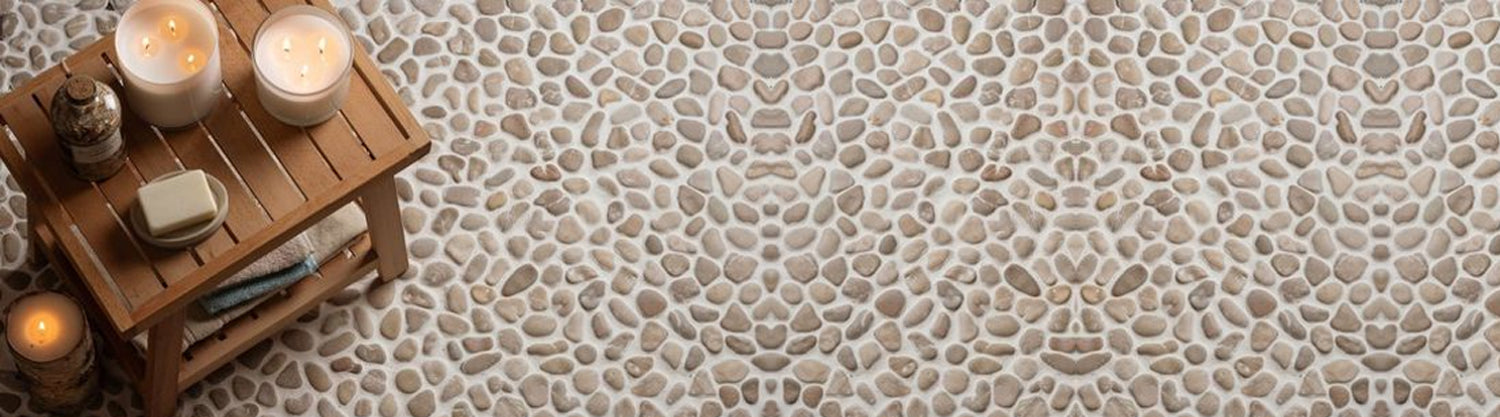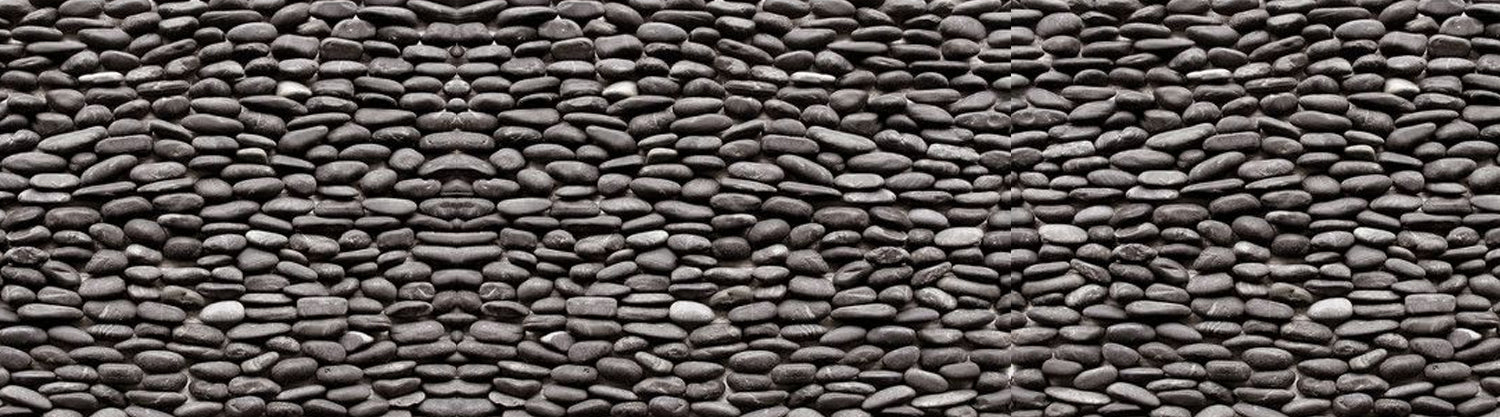
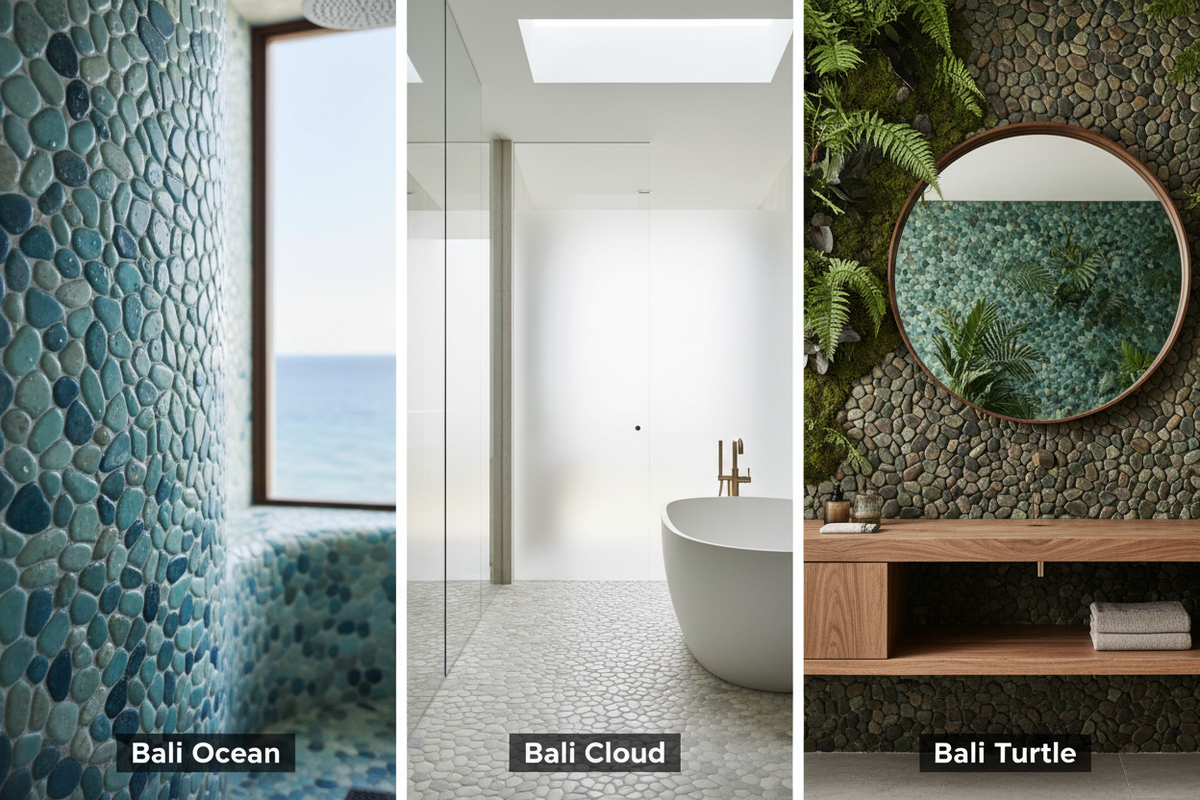
Quick Answer: Bali Ocean, Bali Cloud, and Bali Turtle are three related pebble tile collections with distinct tonal personalities. Bali Ocean leans into deeper, cooler grey tones for a dramatic, grounded look. Bali Cloud stays lighter and softer, closer to a pale grey-white palette that brightens a space. Bali Turtle blends mottled, earthy tones for a more textured, natural, multi-tone effect. All three come in the same range of formats, matte, glazed, border, standing, and mosaic, so the decision usually comes down to color depth and how much contrast you want in the room. Read on for the full side-by-side comparison.
In This Guide
If you have spent any time browsing pebble tile, you have probably noticed the Bali name shows up on more than one product. Bali Ocean, Bali Cloud, and Bali Turtle are three separate collections that share a format and a design language but land in genuinely different places on the color spectrum. Picking between them is less about quality, all three are the same natural stone construction, and more about which tonal direction actually suits your room.
This guide compares all three side by side, walks through where each one performs best, and covers the shared formats, border, standing, glazed, and mosaic, that run across the whole Bali family.
Why the Bali Collections Are Grouped Together
All three Bali collections use the same sliced, flat-topped pebble construction set on mesh-backed sheets, the format that makes pebble tile comfortable underfoot and straightforward to install. What separates them is the stone sourcing and color blend: each collection draws from a different natural palette, which is why they carry distinct names rather than being sold as simple color variants of one product.
Because the construction and format options are identical across the three, this comparison focuses almost entirely on color and mood, the practical decision that actually determines which one belongs in your space.
Bali Ocean vs Cloud vs Turtle: Side-by-Side
| Factor | Bali Ocean | Bali Cloud | Bali Turtle |
|---|---|---|---|
| Overall tone | Deeper, cooler grey | Light, soft grey-white | Mottled, earthy multi-tone |
| Contrast level | Dramatic, grounded | Subtle, calming | Textured, varied |
| Best paired with | Light cabinetry, white walls | Almost any palette | Natural wood, warm neutrals |
| Feels like | A moody, spa-like retreat | A bright, airy coastal room | A grounded, organic natural space |
| Room size fit | Larger rooms, statement walls | Small to large, brightens compact spaces | Medium to large, texture-forward rooms |
Bali Ocean Pebble Tile

A deeper, cooler grey palette that brings real drama and depth to a room.
Bali Ocean is the collection to reach for when you want a pebble floor or wall that reads as intentional and moody rather than soft and neutral. The deeper grey tones anchor a room, which makes it particularly effective in a larger bathroom, a walk-in shower, or a feature wall where you want the tile itself to carry visual weight.
Where Bali Ocean works best:
- Large bathroom floors with light-colored cabinetry and walls, where the darker tone provides real contrast
- Statement shower walls that act as the room's focal point
- Modern or spa-inspired bathrooms leaning into a moodier, more dramatic palette
- Spaces with strong natural light, where a darker stone helps balance the brightness
Bali Cloud Pebble Tile

A light, soft grey-white palette named for exactly the effect it creates.
Bali Cloud is the most versatile of the three, and its name says it all, a pale, airy tone that works almost anywhere. It is the easiest of the three collections to pair with an existing color scheme, since a light neutral rarely clashes with cabinetry, countertops, or wall paint. It is also the strongest choice for smaller rooms, where a darker stone can make a compact bathroom feel tighter than it already is.
Where Bali Cloud works best:
- Small bathrooms and powder rooms that benefit from a light, brightening palette
- Coastal, Scandinavian, or minimalist bathrooms built around soft neutrals
- Rooms with limited natural light, where a pale stone helps the space feel brighter
- Anyone who wants a safe, flexible choice that will not fight with future decor changes
Bali Turtle Pebble Tile

A mottled, multi-tone blend inspired by the natural variation in a turtle shell pattern.
Bali Turtle sits between the other two in terms of overall brightness, but its real distinction is texture rather than tone. The mottled, varied color blend gives it more visual movement than either Ocean or Cloud, which reads as more organic and less uniform. It suits rooms that want a natural, earthy character rather than a clean, monochromatic surface.
Where Bali Turtle works best:
- Rustic, organic, or biophilic-style bathrooms built around natural materials
- Outdoor patios and pool surrounds, where the varied tone hides water spots and debris well
- Rooms already featuring natural wood, stone, or plants, where the varied palette fits the theme
- Anyone who wants visual texture and movement rather than a flat, single-tone surface
Shared Formats Across All Three
Whichever color palette you land on, all three Bali collections come in the same core set of formats, so switching between them later does not mean starting your design plan over.
XL Sliced
Larger stones, fewer grout lines, a bolder scale for bigger surfaces. Ocean · Cloud · Turtle
Bali Ocean also offers a dedicated Standing Pebble Tile format, stones set on edge for a raised, dimensional texture on a feature wall.
Which Collection for Which Room
| Space | Best Bali Collection | Why |
|---|---|---|
| Small powder room | Bali Cloud | Light tone keeps a compact space feeling open |
| Large spa-style bathroom | Bali Ocean | Deeper tone adds drama and grounds the space |
| Outdoor patio or pool deck | Bali Turtle | Varied tone hides debris and water spots well |
| Coastal or Scandinavian bath | Bali Cloud | Soft, airy palette matches the design direction |
| Rustic or organic-style bath | Bali Turtle | Natural, mottled texture fits an earthy theme |
| Statement shower wall | Bali Ocean | Bold enough to act as a genuine focal point |
Can You Mix Bali Collections?
Yes, and it is a genuinely effective way to add depth without committing an entire room to one tone. Because all three collections share the same construction and format range, they blend well together visually. A common approach is a Bali Cloud floor with a Bali Ocean accent wall, giving the room a light, comfortable base with one area of real contrast and drama. Another option is pairing Bali Turtle on an outdoor patio with Bali Cloud carried through an adjoining indoor space, creating a visual thread between the two areas without matching them exactly.
If you are combining collections, order samples of both and view them together in your actual lighting before committing, since undertones that look similar in a product photo can read quite differently side by side in person.
Installation and Care
All three Bali collections install and maintain the same way, since they share the same sliced, mesh-backed stone construction.
- Set with a quality thinset that accommodates the natural variation in stone thickness
- Blend pebbles by hand across adjoining sheet edges before the mortar sets, so seams disappear into the pattern
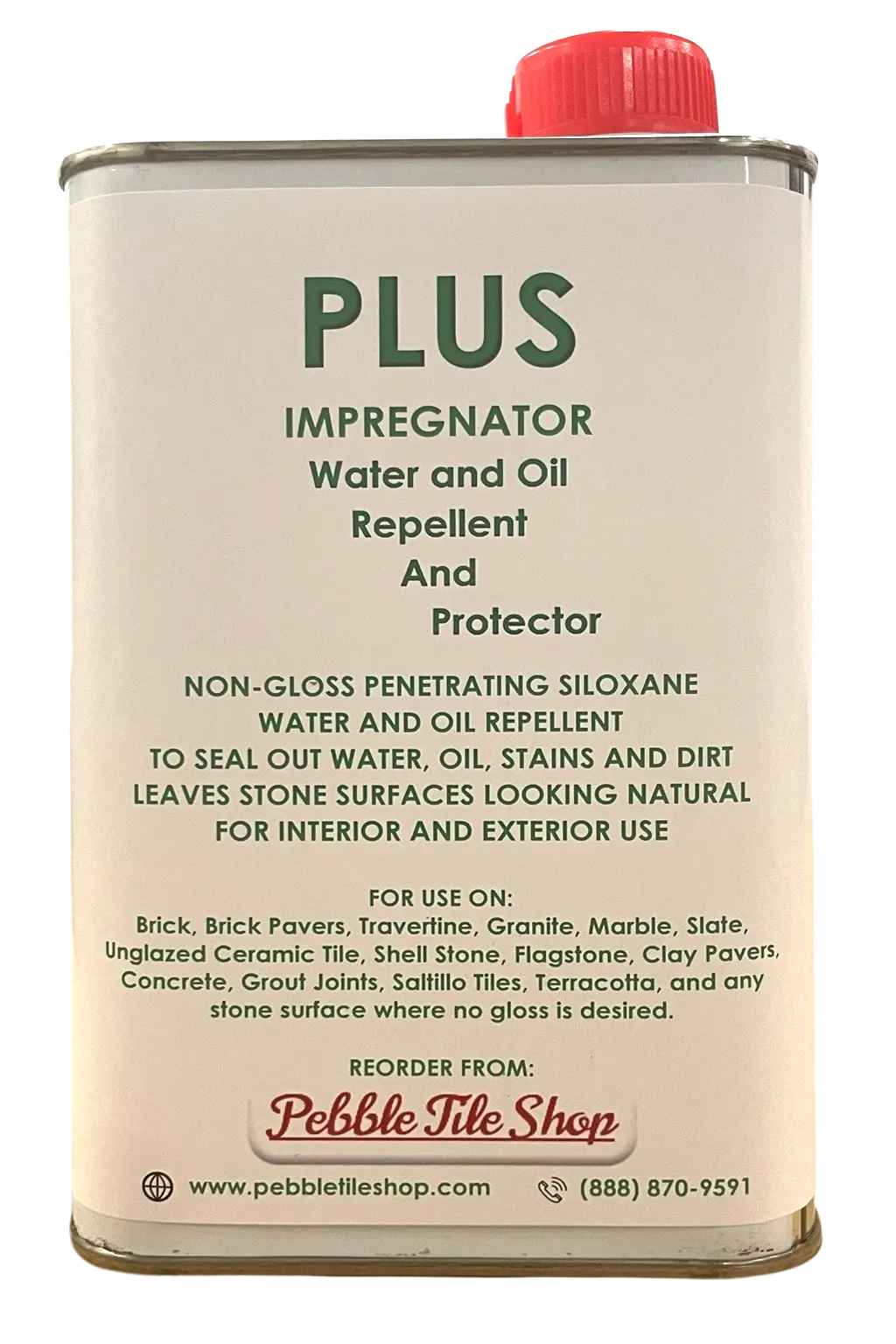
- Seal after installation, and reseal periodically, natural stone is porous and benefits from a penetrating sealant
- Use a pH-neutral cleaner for regular maintenance, avoid acidic or abrasive products
- For shower or outdoor installs, confirm correct slope and drainage before setting stone
- Reserve the glazed finish for walls and dry surfaces, the polished coating is more slippery underfoot when wet than the matte sliced format
Frequently Asked Questions
What is the difference between Bali Ocean, Bali Cloud, and Bali Turtle pebble tile?
The main difference is color and tone. Bali Ocean is a deeper, cooler grey for a dramatic look. Bali Cloud is a light, soft grey-white for a bright, versatile look. Bali Turtle is a mottled, multi-tone blend for a more textured, earthy effect. All three share the same construction and format options.
Which Bali collection is best for a small bathroom?
Bali Cloud is generally the strongest fit for a small bathroom or powder room, since its light, soft tone helps a compact space feel brighter and more open rather than closed in.
Can Bali Turtle pebble tile be used outdoors?
Yes, its varied, mottled tone works especially well outdoors, since it hides water spots, debris, and general wear better than a lighter, more uniform stone. Use setting materials and sealant rated for outdoor exposure.
Can I mix Bali collections in the same room?
Yes. Since all three share the same construction and formats, they pair well together, for example a Bali Cloud floor with a Bali Ocean accent wall. Order samples of both and compare them in your actual lighting before finalizing the combination.
Is glazed Bali pebble tile safe for a shower floor?
We would not recommend it. The glazed finish is more slippery than the matte, sliced format when wet. Keep glazed Bali tile, in any of the three collections, on walls, niches, and other dry or vertical surfaces, and use the matte format for wet floors.
Bali Ocean, Bali Cloud, and Bali Turtle share the same natural stone quality and format range, so there is no wrong choice here, only the right tone for your space. Go deeper and more dramatic with Ocean, lighter and more versatile with Cloud, or textured and earthy with Turtle, and remember all three can be mixed together for a layered, considered result.