Introduction — Helping You Choose the Right Bathroom Shower Tile
Choosing the right bathroom shower tile goes far beyond style preferences. The tile material you select can influence how long your shower lasts, how easy it is to clean, and how well it handles daily moisture. With so many options in the market, homeowners often feel torn between porcelain, ceramic, and natural stone — each offering unique advantages and trade-offs.
This guide breaks down everything you need to know, from durability and slip resistance to cost and maintenance requirements. Whether you're renovating your bathroom or designing a brand-new space, this comparison will help you confidently choose the best bathroom shower tile for your lifestyle, budget, and long-term needs. And with TileHub’s diverse collection, it becomes much easier to find a tile that blends both practicality and beauty.
Understanding Bathroom Shower Tile Materials (Quick Overview)
Before diving into the specifics, it helps to understand what makes porcelain, ceramic, and natural stone different. While all three are commonly used for bathroom spaces, their performance varies based on density, porosity, texture, and maintenance needs.
Porcelain tiles are known for their strength, low water absorption, and exceptional durability — making them a top choice for wet areas like shower walls and floors. Ceramic tiles, on the other hand, are more lightweight and budget-friendly but slightly less dense, which impacts their long-term moisture performance. Then there’s natural stone, a premium option that offers unique textures and organic beauty, ideal for homeowners seeking a spa-like, luxurious bathroom feel.
Understanding these differences helps you narrow down which bathroom tile option aligns best with your design goals and practical needs.
Porcelain Bathroom Shower Tile — Pros, Cons & Costs
Pros of Porcelain Tile
Porcelain is often considered the gold standard for bathroom shower tile because of its dense makeup and remarkable water resistance. It’s engineered under high heat, making it highly durable, less porous, and suitable for continuous exposure to water. This makes porcelain ideal for busy households where showers see everyday use.
Its design variety is another major advantage. Modern porcelain can mimic marble, slate, concrete, and even wood, giving homeowners the freedom to achieve high-end aesthetics without the maintenance hassles of natural stone.
Cons of Porcelain Tile
Despite its advantages, porcelain does come with certain challenges. It is harder and heavier than ceramic, which means cutting and installing it requires the right tools — and ideally professional installation. This can increase labor costs. Porcelain also tends to be more expensive per square foot compared to ceramic, though the long-term durability often justifies the price.
Cost Breakdown
Porcelain tiles generally cost more upfront, ranging from mid-tier to premium depending on design and finish. Installation costs also lean higher due to the tile’s density. However, because porcelain lasts longer, requires minimal upkeep, and resists moisture exceptionally well, many homeowners find it to be the most cost-effective option over time.
Ceramic Bathroom Shower Tile — Pros, Cons & Costs
Pros of Ceramic Tile
Ceramic remains a popular choice for bathroom shower tile due to its affordability and versatility. It’s easier to cut and install compared to porcelain, making it a great option for DIY enthusiasts or lower-budget remodels. Ceramic tiles also offer a wide array of colours, patterns, and finishes, allowing homeowners to experiment with creative designs without overspending.
Cons of Ceramic Tile
While ceramic is a practical option, it’s not as dense as porcelain and absorbs more water. This means it may require additional sealing and maintenance in frequently used showers. Over time, moisture exposure can affect its durability if not installed properly. Ceramic is still a good choice for guest bathrooms or low-use shower areas but may not be ideal for high-traffic, daily-use environments.
Cost Breakdown
Ceramic tiles are among the most budget-friendly materials. They’re typically less expensive to purchase and easier to install, which further reduces project costs. The only long-term consideration is the need for proper sealing and occasional maintenance to keep the tile and grout in good condition.
Natural Stone Bathroom Shower Tile — Pros, Cons & Costs
Pros of Natural Stone Tile
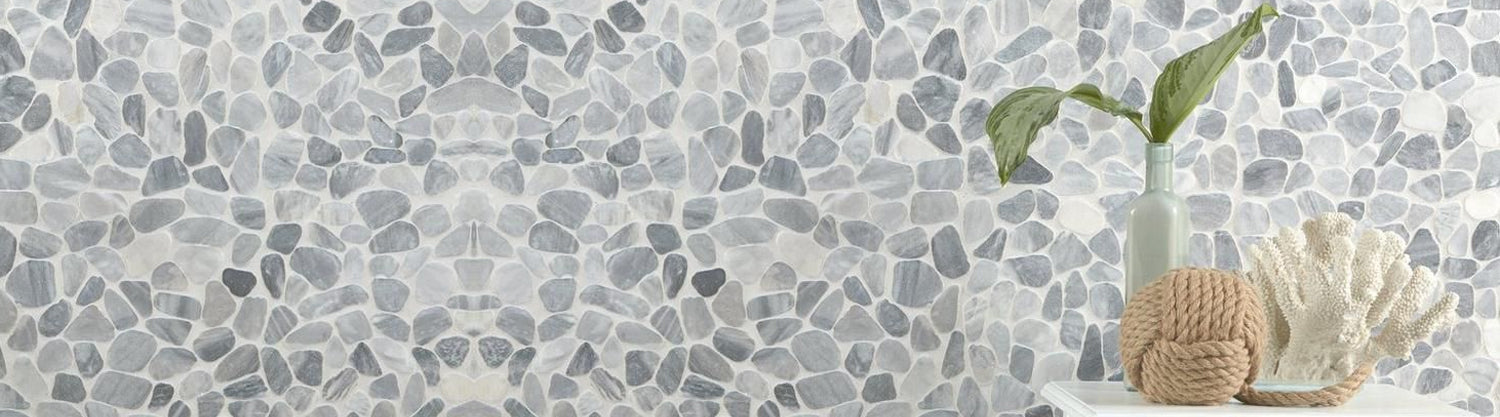
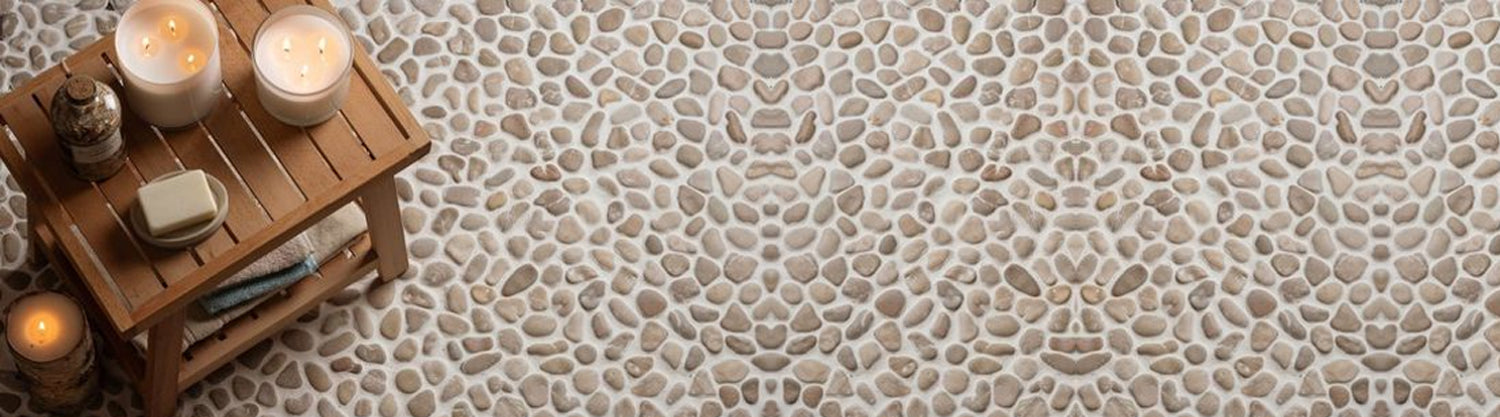
Natural stone instantly elevates a bathroom with its organic charm and unmatched character. Each piece carries unique colours, textures, and veining, creating a truly one-of-a-kind shower environment. Popular options such as marble, slate, and travertine offer rich visual depth, which is especially appealing for spa-inspired bathrooms. Many natural stones also provide excellent traction due to their naturally textured surfaces.
Cons of Natural Stone Tile
However, stone requires consistent care. It is more porous than porcelain and ceramic, so sealing is essential — not only during installation but periodically over time. Some stones, like marble, can be sensitive to acidic cleaners and prone to staining. Stone tiles are heavier as well, which increases installation complexity and costs.
Cost Breakdown
Natural stone sits on the higher end of the pricing spectrum. Material costs vary widely based on the stone type, and installation requires experienced professionals. Long-term care, including resealing and specialized cleaning products, must also be factored into your budget. Homeowners who prioritize style and luxury will likely find the investment worthwhile.
Porcelain vs Ceramic vs Natural Stone — Side-by-Side Comparison
Choosing the best bathroom shower tile becomes easier when you compare all three materials side-by-side:
| Feature | Porcelain | Ceramic | Natural Stone |
|---|---|---|---|
| Durability | Excellent | Moderate | Excellent (varies by stone) |
| Water Resistance | High | Medium | Medium (requires sealing) |
| Maintenance | Low | Low–Medium | High |
| Installation | Skilled installers needed | Easier | Skilled installers needed |
| Cost | Medium–High | Low–Medium | High |
| Visual Appeal | Wide variety | Broad range | Unique, luxurious |
| Best For | High-use showers | Budget remodels | Spa-inspired spaces |
This comparison helps clarify the practical differences. Porcelain fits well for high-moisture, everyday showers; ceramic suits smaller budgets; and natural stone is perfect for homeowners wanting a premium, elevated bathroom design.
How to Choose the Best Bathroom Shower Tile for Your Needs
Several factors influence the choice of bathroom shower tile, and understanding them helps you make a confident decision. Start by assessing the level of daily use. If your shower is used multiple times a day, porcelain will offer the most long-lasting performance. For guest bathrooms or secondary spaces, ceramic may be perfectly sufficient.
Your preferred style also matters. If you want a soft, organic look, natural stone provides visual depth that manufactured tiles can’t replicate. Maintenance willingness is another key factor — stone requires sealing and careful cleaning, while porcelain and ceramic need far less attention.
Finally, consider your budget. Porcelain balances affordability and performance, ceramic is ideal for cost-conscious projects, and natural stone justifies its higher price with premium aesthetics. TileHub’s curated range makes it easy to find tiles that suit every style and budget.
Installation & Maintenance Tips for Bathroom Shower Tiles
Installation Tips
No matter which tile you choose, proper installation plays a major role in long-term performance. Make sure your shower has a reliable waterproofing system, especially behind walls and around corners. Porcelain and natural stone benefit greatly from professional installation due to cutting requirements and weight. Also consider slip-resistant finishes for shower floors to improve safety.
Maintenance Tips
Routine cleaning helps keep your shower looking fresh. Use mild, non-abrasive cleaners for porcelain and ceramic. For natural stone, stick to pH-neutral products to avoid etching or discoloration. Grout sealing is important, especially in showers, to prevent moisture buildup and mildew. Natural stone requires periodic resealing, but the beautiful finish it provides makes the extra care worthwhile.
Conclusion — Finding the Perfect Bathroom Shower Tile for Your Home
Selecting the right bathroom shower tile comes down to balancing style, performance, and maintenance. Porcelain delivers durability and ease of care, ceramic offers affordability and design flexibility, and natural stone brings unmatched luxury to your space. Each material has something unique to offer, and the best choice depends on your vision and lifestyle.
If you’re ready to compare options or need inspiration, TileHub offers a wide selection of high-quality shower tiles designed for modern homes. Explore TileHub’s collection to find a bathroom shower tile that suits your budget, your personality, and your long-term needs — and turn your shower into a space that feels beautiful every day.