Quick Answer
The best tile grout cleaners remove stains, mold, and soap scum without damaging your tile. For shower mold on white grout, a bleach-gel formula works fastest. For colored grout or natural stone, choose an oxygen-bleach or enzyme-based cleaner to avoid fading. For hard water and mineral buildup on floors, an acid-brightener like Zep restores color quickly. Whatever cleaner you use, always finish by sealing the grout — a penetrating sealant is what keeps it clean for months, not weeks.
If you've ever spent a Sunday afternoon on your hands and knees scrubbing grout with an old toothbrush and zero visible results, you're not alone. According to the American Cleaning Institute's 2024 National Cleaning Survey, 38% of US homeowners say bathrooms are among the tasks they dread most — and stubborn grout is a big reason why.
Here's the truth: most cleaning struggles come down to using the wrong product for the job. The best tile grout cleaners are formulated for the specific chemistry of grout staining — bleach-based formulas for mold, acid-based brighteners for mineral deposits, or enzyme cleaners for everyday maintenance. This guide breaks all of that down, compares the top products head-to-head, covers natural cleaning alternatives, and tells you exactly what to do after the clean to make your results last.
Why Grout Gets Dirty — and Why Regular Mopping Doesn't Fix It
Grout is a cement-based material filled with microscopic pores. That porosity is what makes it functional — it creates a flexible, durable joint between tiles — but it's also what makes it a dirt magnet. Every drop of soapy water, cooking grease, or muddy footprint that touches grout leaves behind trace particles that embed in those pores over time.
Standard mop-and-bucket cleaning doesn't solve this. Mopping spreads water and diluted cleaner across the tile surface, but the liquid rarely penetrates grout lines deeply enough to lift embedded staining. You end up cleaning the tile face while the grout lines continue to darken.
What's actually happening in your grout lines:
- Soap scum: Calcium stearate crystals from soap react with hard water and stick in pores
- Mold and mildew: Moisture trapped in porous grout creates the perfect growth environment
- Hard water minerals: Calcium and magnesium carbonates build up and cause yellowing
- Cooking grease: Oils penetrate deep into floor grout and oxidize into dark stains
- Foot traffic dirt: Fine particles compact into grout lines and resist surface cleaning
The solution isn't to scrub harder — it's to use a cleaner with the right active ingredient to chemically break down the specific type of stain you're dealing with.
38% of US homeowners
say bathrooms are among the cleaning tasks they dread most — American Cleaning Institute, 2024 National Cleaning Survey
4 Types of Grout Cleaners: Match the Formula to Your Stain
Using the wrong formula is the single biggest reason grout cleaning fails. Here's how to choose before you buy.
1. Chlorine Bleach-Based Cleaners
Active ingredient: Sodium hypochlorite. These are the heavy hitters for mold and mildew. Bleach oxidizes organic staining agents and kills bacteria, mold spores, and mildew at the root. The gel format (like Soft Scrub with Bleach) is particularly effective on shower walls because it clings in place rather than running off before it can work.
✅ Best for: White or light-colored cement grout with heavy mold, mildew, or soap scum.
⛔ Avoid on: Colored grout (fades pigment), natural stone tile, epoxy grout.
2. Acid-Based Cleaners
Active ingredients: Phosphoric, citric, or sulfamic acid. Acids dissolve mineral scale — calcium deposits, hard water buildup, and the dull yellowing that develops over years on floor grout. They're some of the best grout cleaners for tile floors with mineral issues, but require caution on certain surfaces.
✅ Best for: Hard water stains, mineral deposits, dull or yellowed floor grout.
⛔ Avoid on: Marble, travertine, limestone, or any calcium-based natural stone — acid etches these permanently.
3. Oxygen-Bleach (Alkaline) Cleaners
Active ingredient: Sodium percarbonate or hydrogen peroxide. These release oxygen bubbles that physically lift organic staining from pores — a gentler mechanism than chlorine bleach. Safe for colored grout and natural stone, making them the most versatile option for most households.
✅ Best for: Colored grout, natural stone tile, general organic stains, homes with children or pets.
⚠️ Limitation: Slower acting than chlorine bleach; not ideal for severe black mold.
4. Enzyme-Based & Plant-Derived Cleaners
Active ingredients: Protease, lipase, and amylase enzymes. Enzymes break down organic matter biologically — without harsh chemicals or fumes. Ideal for weekly maintenance routines. The plant-based cleaning product market has grown 25% since 2023, reflecting a significant shift in consumer preferences toward safer household products.
✅ Best for: Routine weekly cleaning, eco-conscious households, maintenance between deep cleans.
⚠️ Limitation: Not powerful enough for heavy mold or deep mineral staining.
Best Tile Grout Cleaners: Quick Comparison Table
Use this table to identify the right product for your situation before reading the full reviews below.
| Product | Formula | Best For | Safe On | Eco | Effort |
|---|---|---|---|---|---|
| Soft Scrub + Bleach Gel | Chlorine bleach | Heavy mold, white grout | Ceramic, porcelain | ✗ | Medium |
| Black Diamond Ultimate | Commercial-grade | All-purpose, high-traffic | All incl. marble | ✓ | Medium |
| Zep Grout Brightener | Acid-based | Mineral / hard water | Ceramic, porcelain | ✗ | Medium |
| CLR Pro Grout Cleaner | Acid-based | Soap scum, mold | Most tile types | ✓ biodeg. | Medium |
| OxiClean MaxForce Gel | Oxygen-bleach | Grease, colored grout | Most + stone | Partial | Low–Medium |
| Clean-eez Grout-eez | Commercial-grade | Ceramic & porcelain | Ceramic, porcelain | Partial | Medium |
| Better Life Tub & Tile | Plant-based | Everyday maintenance | All (not marble) | ✓✓ EPA | Low |
| TileHub Super Special Sealant | Penetrating sealant | Post-clean protection | All incl. stone | ✓ | Minimal |
Best Tile Grout Cleaners: In-Depth Reviews
These reviews are based on real-world performance data, verified user feedback, and expert testing from sources including Consumer Reports, Yahoo Shopping's independent tested reviews, and professional tile cleaning contractors across the US.
#01 — Best for Shower Mold
Soft Scrub With Bleach Cleaner Gel
If your shower grout has gone from white to a disturbing shade of gray or black, this is where you start. The gel format is the key differentiator — it clings to vertical shower walls and grout lines instead of running off, giving the bleach time to penetrate and break down staining before you scrub. Users consistently report visible results within 5–10 minutes of application.
✅ Why We Like It:
- Gel consistency adheres to shower walls — doesn't run before it works
- Kills mold spores, mildew, and bacteria while cleaning
- Visible results on white grout in as little as 5 minutes
- Widely available at Home Depot, Walmart, Target, and online
⚠️ Worth Knowing:
Do NOT use on colored grout (bleach strips pigment over time) or natural stone tile — it will etch marble and travertine permanently. Never mix with vinegar or ammonia.
Pro Tip: Ventilate the bathroom well. Apply, wait the full 10 minutes, scrub with a stiff grout brush, then rinse thoroughly — bleach residue actually attracts resoiling faster than clean grout.
#02 — Best Professional Strength
Black Diamond Ultimate Grout Cleaner
This is the product professional tile cleaners reach for when standard consumer products aren't enough. Black Diamond's formula is commercial-grade strength but surprisingly non-toxic — it's acid-free and safe around families and pets. It works on ceramic, porcelain, natural stone (including marble), and epoxy grout, making it the most versatile option on this list. Yahoo Shopping's cleaning expert called it "one of the best in the game" after testing it on charcoal gray stains that made other products fail.
✅ Why We Like It:
- Commercial-grade cleaning power — penetrates deeply embedded grime
- Non-toxic, acid-free formula safe for all tile types including marble
- Works on ceramic, porcelain, natural stone, and epoxy grout
- No harsh fumes — can be used in enclosed bathrooms
- Trusted by professional tile contractors across the US
⚠️ Worth Knowing:
May require a second application for grout that has gone years without cleaning.
Pro Tip: Spray generously and allow a full 10-minute dwell time. For heavily soiled floor grout, use an electric spin scrubber — it cuts the time and effort on large areas by 60–70%.
#03 — Best for Hard Water & Mineral Stains
Zep Grout Cleaner and Brightener
If your floor grout looks dull, yellowed, or has a white haze despite regular cleaning, you're likely dealing with mineral buildup — and that requires an acid-based solution. Zep uses a mild acid that dissolves calcium and magnesium deposits that alkaline cleaners can't touch. In Yahoo Shopping's independent testing, it "had no problem lifting dirt, scum and residual product left to linger on bathroom floors, leaving them sparkling."
✅ Why We Like It:
- Specifically formulated to dissolve hard water mineral scale and calcium buildup
- Restores yellowed or dingy grout to near-original color
- Fast-acting — visible brightening within minutes
- Cost-effective — one 32 oz bottle covers a significant floor area
⚠️ Worth Knowing:
The bottle has no spray nozzle — you tip it to wet a cloth or brush. Never use on marble, travertine, or limestone.
Pro Tip: Follow up with a pH-neutral rinse (a dilute baking soda solution works) to neutralize acid residue and protect your grout long-term.
#04 — Best for Soap Scum & Bathroom Grime
CLR Pro Grout Cleaner
CLR tackles the specific triple-threat of bathroom grout: soap scum, mold, and hard water staining — often all three simultaneously. The biodegradable formula makes it one of the more environmentally responsible options in the acid-based category, with strong performance on the ceramic and porcelain tile you'll find in most US bathrooms.
✅ Why We Like It:
- Removes soap scum, mold, mildew, and mineral deposits in one application
- Biodegradable — gentler environmental impact than most acid cleaners
- Available in spray or concentrate for different cleaning intensity needs
⚠️ Worth Knowing:
Avoid on natural stone. Test in a hidden area first on older or specialty tile.
Pro Tip: Works best applied to wet grout lines. Let it dwell 3–5 minutes before scrubbing, then rinse immediately — don't let it dry on tile surfaces.
#05 — Best for Colored Grout & Kitchen Floors
OxiClean MaxForce Gel
If you have colored grout — gray, beige, tan, or anything other than white — this is your safest deep-cleaning option. Chlorine bleach strips grout pigment over time; OxiClean's oxygen-bleach chemistry doesn't. It's also the go-to for kitchen floor grout, where cooking oil and grease create a type of staining that bleach alone doesn't fully address.
✅ Why We Like It:
- Safe for colored grout — oxygen-bleach mechanism won't strip pigment
- Effective on cooking grease, oils, and food stains in kitchen tile
- Gel format clings to grout lines for extended contact time
- Works on most tile types including natural stone
⚠️ Worth Knowing:
Less effective than chlorine bleach for severe black mold. For mold-heavy shower grout, opt for Soft Scrub with Bleach instead.
Pro Tip: Extend dwell time to 15 minutes for set-in grease stains. Rinse very thoroughly — oxygen bleach residue can leave a slight haze if not fully rinsed.
#06 — Best Eco-Friendly Option
Better Life Tub & Tile Cleaner
Yahoo Shopping's cleaning expert awarded this their "best overall" pick after testing, calling it "not only effective but pleasant to use." Made without sulfates, alcohols, parabens, or petroleum solvents, Better Life is EPA-certified plant-based and safe around children and pets. It handled everyday bathroom grime — including mud and caked-on toothpaste — impressively well.
✅ Why We Like It:
- Plant-based formula — no sulfates, parabens, petroleum solvents, or harsh fumes
- EPA certified — independently verified safer for human health and environment
- Works on grout, tile, tubs, and bathroom sinks in one product
- Tea tree and eucalyptus scent — pleasant in small bathrooms
⚠️ Worth Knowing:
Cannot be used on marble or granite. Not powerful enough for severe mold or hard water mineral buildup — use this for maintenance, not cure.
Pro Tip: Use as your weekly maintenance spray — consistent use prevents the deep staining that requires heavy-duty cleaners later.
Zep vs. Black Diamond vs. CLR: Head-to-Head Comparison
These three products dominate searches because homeowners constantly compare them. Here's exactly how they differ so you can choose the right one without guessing.
| Category | Zep Grout Brightener | Black Diamond Ultimate | CLR Pro |
|---|---|---|---|
| Formula type | Acid-based | Commercial alkaline | Acid-based |
| Best stain type | Mineral / hard water | Grease, grime, mold | Soap scum, lime scale |
| Safe on natural stone? | ✗ No | ✓ Yes (incl. marble) | ✗ No |
| Safe on colored grout? | Test first | ✓ Yes | Test first |
| Eco / non-toxic? | Standard | Non-toxic ✓ | Biodegradable ✓ |
| Application format | Liquid (no spray) | Spray bottle | Spray / concentrate |
| Amazon avg. rating | 4.5 / 5 ⭐ | 4.6 / 5 ⭐ | 4.4 / 5 ⭐ |
💡 Bottom Line: Which One Should You Buy?
If you have mineral buildup on ceramic or porcelain floors, choose Zep. If you have all-purpose grime across multiple tile types including natural stone, choose Black Diamond. If soap scum and mildew on bathroom shower walls are your main issue, CLR Pro is the most targeted choice.
Best Grout Cleaner by Room: Bathroom, Kitchen & Outdoor
The right grout cleaner depends not just on your tile type, but where it's located. Each room creates different staining conditions.
🚿 Bathroom Shower & Tub Surround
The shower is ground zero for grout problems. Constant humidity, soap residue, and hard water combine to create mold, soap scum, and mineral haze simultaneously.
- Severe mold on white grout: Soft Scrub With Bleach Gel — the gel clings to vertical surfaces
- Mineral/hard water staining: Zep Grout Brightener or CLR Pro — acid dissolves calcium scale
- Colored grout: OxiClean MaxForce or Black Diamond — both are safe for pigmented grout
- Natural stone shower tile (pebble, marble mosaic): Black Diamond or Better Life — acid-free and stone-safe
🍳 Kitchen Floor & Backsplash
Kitchen grout faces a different enemy: cooking grease. Oil penetrates grout pores and oxidizes into dark staining that bleach alone doesn't fully address. Alkaline and oxygen-bleach formulas break down grease chemistry more effectively.
- Grease and food stains: OxiClean MaxForce Gel or Black Diamond
- General floor grime: Zep Grout Brightener for ceramic/porcelain with mineral haze
- Weekly maintenance: Better Life Tub & Tile — safe for food-prep adjacent surfaces
🌿 Outdoor Patio & Pool Areas
Outdoor grout faces UV exposure, algae, moss, efflorescence (white mineral bloom), and extreme weather changes. Choose formulas that specifically state outdoor compatibility and include mildewcides for lasting results.
- Algae and moss: CLR Pro or Black Diamond — both have strong organic matter removal
- Efflorescence (white bloom): Zep Grout Brightener — acid formula dissolves mineral salt deposits
💸 DIY vs. Professional Cost Reality
Professional tile and grout cleaning costs between $0.75 and $3.00 per square foot, with a typical minimum service charge of $150 (Thumbtack, 2025). For a 200 sq ft bathroom, that's $150–$600 per visit. The right DIY cleaner and a quality grout brush pay for themselves after the very first use.
Natural Grout Cleaning: What Actually Works (and What Doesn't)
Natural cleaning methods get a lot of attention online. Here's an honest breakdown of what delivers real results.
Baking Soda + Dish Soap Paste — Effective for Light Stains
Mix ½ cup baking soda with a tablespoon of liquid dish soap to form a thick paste. Apply to grout lines, let sit 10 minutes, scrub with a stiff brush, and rinse. Effective for light dirt accumulation on any tile type, including natural stone. It won't tackle mold or mineral scale, but it's a solid weekly maintenance option.
Hydrogen Peroxide — Good for Mold on Colored Grout
3% hydrogen peroxide (standard drugstore variety) is a gentler alternative to chlorine bleach. Apply directly to grout, let sit 10–15 minutes, scrub, and rinse. Safe for most colored grout and works well for light-to-moderate mold growth. For stubborn mold, mix equal parts hydrogen peroxide and baking soda for added scrubbing action.
White Vinegar — Use With Serious Caution
Vinegar is frequently recommended online, but the guidance is often oversimplified. The mild acetic acid in white vinegar does dissolve some mineral scale, but it also weakens cement-based grout with repeated use, degrading the bond over time. More critically: never use vinegar on natural stone tile — it permanently etches marble, travertine, and limestone. If you use it at all, dilute 1:1 with water and limit it to ceramic or porcelain floors only, not routinely.
When to skip the natural approach
Natural cleaners work well for light maintenance but won't match commercial formulas on severe mold, mineral scale, or years of embedded staining. If your grout has been neglected for a long time, start with a commercial formula, then switch to natural maintenance once the grout is clean and sealed.
How to Clean Tile Grout: The Step-by-Step Method That Actually Works
The cleaner matters — but technique determines whether you get good results or just wet grout. Follow this process for any grout cleaning job.
- Dry brush first. Before any liquid, use a stiff dry brush to loosen surface debris from grout lines. This gives your cleaner direct access to the grout rather than loose dirt sitting on top.
- Choose the right formula for your tile type. Use the type guide and comparison table above. This single decision makes more difference than anything else.
- Apply and dwell — don't scrub immediately. Apply the cleaner and wait. Most formulas need 5–15 minutes to break down staining agents. Scrubbing before the dwell time is the most common mistake homeowners make.
- Scrub with a dedicated grout brush. Use a stiff-bristle brush angled directly into the grout line. For floor grout over 50 sq ft, an electric spin scrubber (like the HOTO Wand or Fanttik G9) cuts effort by 60–70% — they're consistently top sellers on Amazon for good reason.
- Rinse thoroughly — twice. Residual cleaner left in grout lines attracts dirt faster than clean grout. Rinse with fresh water, wipe, then rinse again.
- Allow to dry completely. Let grout dry fully — ideally 24–48 hours with good ventilation — before sealing. Sealant applied over wet grout won't bond correctly.
- Seal. This is the step that separates results lasting 3 months from results lasting 3 weeks. Don't skip it.
Why Sealing Grout After Cleaning Is Non-Negotiable
Cleaning restores your grout's appearance. Sealing is what protects that appearance from coming undone within weeks. Unsealed grout is essentially an open sponge — every drop of water, oil, or soap that contacts it is partially absorbed. A penetrating sealant fills those microscopic pores with a water-repelling barrier, dramatically reducing how much contamination can embed going forward.
🔍 The Water Drop Test: Is It Time to Reseal?
Place a few drops of water directly on your grout. If the water beads up and sits on the surface, your sealant is still effective. If it soaks in within 30 seconds, the sealant has worn off and resealing is overdue. Do this test annually on floor grout and every 18 months on wall grout.
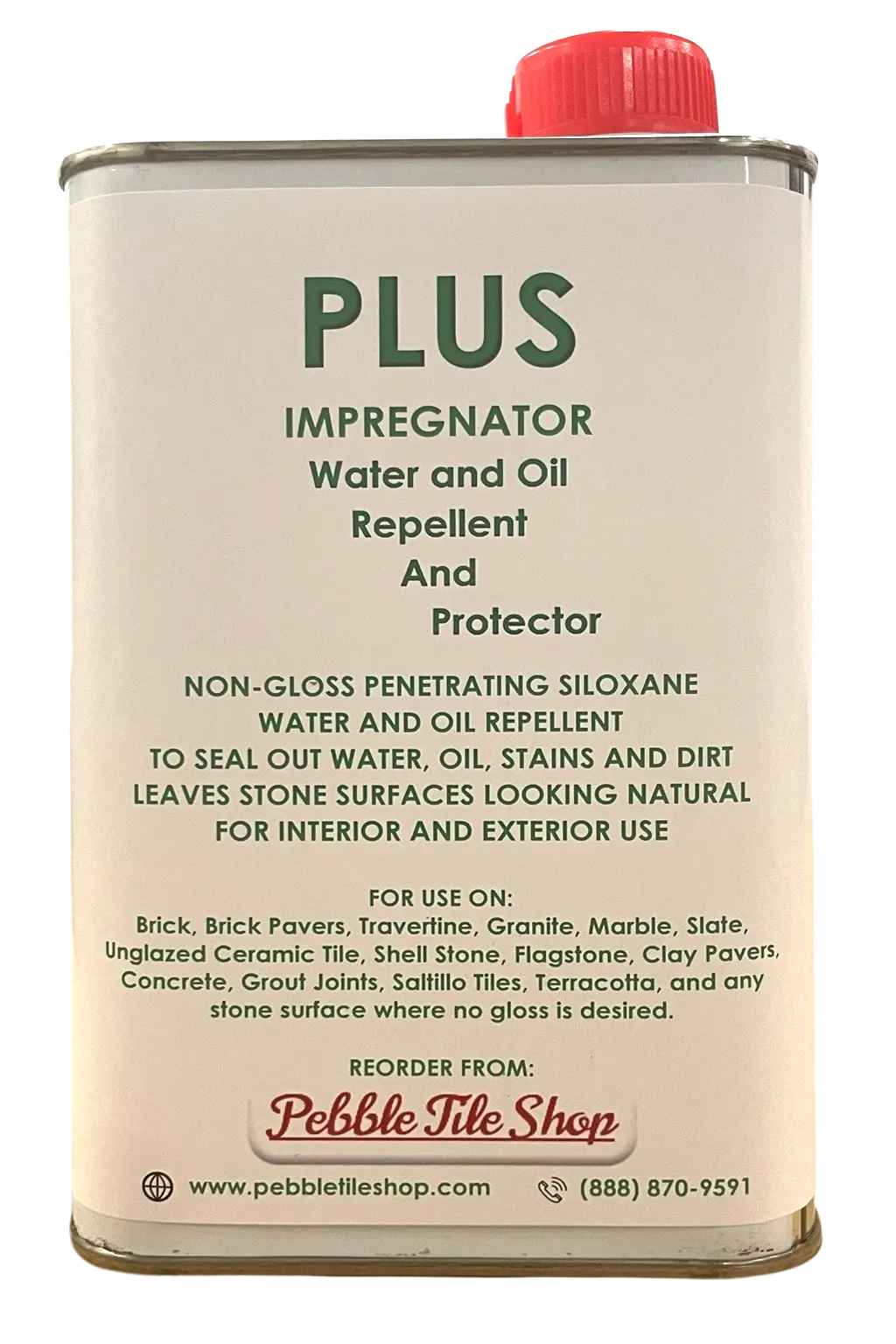
TileHub Super Special Sealant — Best for All Tile Types
The Super Special Sealant uses a penetrating formula that bonds inside the grout rather than forming a surface film. Surface-film sealants can peel, discolor, or trap moisture. Penetrating sealants become part of the grout's structure, offering significantly longer-lasting protection. Compatible with all tile types TileHub carries — from natural pebble and marble mosaic to porcelain and ceramic.
- Penetrating formula — bonds inside grout, doesn't peel or discolor
- Waterproof and stain-resistant barrier
- Compatible with all tile types including natural stone and pebble tile
- Easy brush-on application — no professional tools needed
TileHub High-Quality Sealant — Best for Natural Stone & Porcelain
A professional-grade formula recommended for pebble tile, marble mosaic, and porcelain tile installations where chemical exposure resistance is particularly important. Cures to a clear finish that preserves the natural look of the tile and dries faster than standard sealants.
- Professional-grade protection against stains, mold, and mildew
- Clear finish — preserves natural tile appearance
- Fast cure time vs. standard sealants
- Specifically recommended for TileHub natural stone and marble collections
Sealing Schedule at a Glance
- Floor grout: Reseal annually — foot traffic and mopping wear sealant faster
- Shower wall grout: Reseal every 18–24 months
- Kitchen backsplash grout: Reseal every 2 years
- New installation: Allow grout to cure 72 hours before sealing for the first time
When Grout Is Beyond Cleaning: Signs You Need to Re-Grout
Even the best tile grout cleaners have limits. If your grout shows any of the following signs, cleaning won't restore it — the grout will need to be removed and replaced:
- Crumbling or cracking grout lines — structural failure, not just surface staining
- Grout that's recessed or missing in sections — creates a water infiltration risk behind the tile
- Black staining that doesn't respond to multiple bleach applications — likely sub-surface mold
- Grout that absorbs water immediately even after repeated sealing attempts
- Permanently uneven color after cleaning — deeply set staining through the full grout depth
Re-grouting an average bathroom costs $250–$900 for a professional, or around $50–$150 in materials for a DIY job. Catching grout degradation early — before water infiltrates behind the tile — avoids significantly more expensive repairs down the line.
Pro Tips and Common Mistakes to Avoid
✅ Do This
- Test any new cleaner in a hidden area first
- Use a dedicated grout brush — not a toothbrush for full rooms
- Clean in sections to prevent the cleaner drying before you rinse
- Work backward toward the door on floors
- Seal grout within 48 hours of cleaning
- Use an electric spin scrubber on floors over 50 sq ft
❌ Avoid This
- Chlorine bleach on colored grout — permanent fading
- Acid cleaners on marble, travertine, or limestone
- Skipping the rinse — residue attracts new dirt faster
- Routine steam cleaning — weakens cement grout over time
- Wire brushes — scratch tile glazing and cause rust stains
- Mixing bleach with vinegar or ammonia — toxic fumes
Frequently Asked Questions About Tile Grout Cleaners
Q: What is the best tile grout cleaner for bathroom showers?
For bathroom shower grout with heavy mold and white or light grout, a bleach-gel formula (Soft Scrub With Bleach Gel) is the most effective — the gel clings to vertical surfaces and gives bleach time to penetrate. For colored grout or natural stone shower tile (pebble tile, marble mosaic), use Black Diamond Ultimate — it's acid-free and safe for all tile types. Always seal the grout after cleaning to prevent mold from returning within weeks.
Q: What's the difference between a grout cleaner and a grout sealer?
A grout cleaner removes dirt, stains, mold, and discoloration from existing grout. A grout sealer, applied after cleaning, fills the grout's pores with a protective barrier that resists future staining and moisture. You need both — cleaning without sealing means the grout re-stains quickly because the pores remain open and absorbent.
Q: Is Zep or Black Diamond better for grout cleaning?
They solve different problems. Zep is acid-based — best for hard water mineral deposits and dull, yellowed ceramic or porcelain floor grout. Black Diamond is commercial-grade alkaline — best for general grime, grease, and all-purpose cleaning across tile types, and it's the only one safe for natural stone (marble, travertine). For mineral haze on ceramic floors: choose Zep. For a versatile all-rounder that works on any tile type including stone: choose Black Diamond.
Q: Can I use vinegar to clean tile grout?
With caution. White vinegar's mild acidity can dissolve some mineral scale on ceramic or porcelain grout, but it weakens cement-based grout with repeated use. Never use vinegar on natural stone tile — it permanently etches marble, travertine, and limestone. For mineral staining, a proper acid-based cleaner like Zep is more effective and safer long-term.
Q: How often should I seal my tile grout?
Floor grout should be resealed annually — foot traffic and mopping wear the sealant faster. Shower wall grout needs resealing every 18–24 months. New tile installations should cure 72 hours before the first sealant application. Use the water drop test to confirm: if water soaks in rather than beading up, it's time to reseal.
Q: Is it safe to use grout cleaner on natural stone tile?
It depends on the formula. Chlorine bleach and acid-based cleaners (Zep, CLR, vinegar) can permanently damage natural stone — they etch calcium-based stone like marble, travertine, and limestone. For natural stone tile, use only pH-neutral or alkaline options: Black Diamond Ultimate (acid-free), OxiClean MaxForce (oxygen-bleach), or enzyme-based cleaners like Better Life. TileHub's sealants are designed to be compatible with their full natural stone range, including pebble tile and marble mosaic collections.
Q: Why does my grout get dirty again so quickly after cleaning?
Almost always, the cause is unsealed grout. Porous, unsealed grout absorbs dirt and moisture as quickly as a sponge — it will re-stain within weeks. After every deep clean, apply a penetrating grout sealant. Also check that you're rinsing thoroughly after cleaning — cleaner residue left in grout lines attracts new dirt faster than clean grout.
Q: Can I use an electric scrubber instead of scrubbing by hand?
Yes — and for floor grout over 50 sq ft, it's strongly recommended. Cordless electric spin scrubbers (the HOTO Wand and Fanttik G9 Nano are currently top-rated on Amazon) cut cleaning time by 60–70% compared to hand scrubbing and are significantly more effective at getting cleaner into grout lines consistently. Use the grout-line brush attachment for best results.
Final Thoughts: Clean Grout Starts With the Right Product
Grout cleaning frustration almost always comes down to one of three things: using the wrong cleaner for the stain type, skipping the dwell time, or cleaning without sealing afterward. Address all three and you'll get results that last months, not days.
For most US homeowners, the best starting point is matching the formula to your tile type and main problem — mold calls for bleach-gel, mineral haze calls for acid-based, colored grout calls for oxygen-bleach. The process matters as much as the product: let it dwell, scrub properly, rinse completely, and seal within 48 hours.
If your tile is from TileHub — whether that's natural pebble mosaic, marble, porcelain, or ceramic — the Super Special Sealant and High-Quality Sealant are formulated to work with those specific materials and protect your investment long-term.
Explore TileHub's Tile Care Products:
→ Super Special Sealant — Best for all tile types including natural stone
→ High-Quality Sealant — Professional-grade for stone and porcelain
→ Shop All Tile Collections — Pebble, mosaic, marble, porcelain & more