Quick Answer: A river rock (or riverstone) shower floor typically costs $20 to $60 or more per square foot installed, combining materials, labor, and sealing. A small 12 sq ft shower floor usually lands between $330 and $720 total, while a premium custom install can run $1,200 to $3,000 or more. Material choice and labor complexity drive most of the difference. Read on for the full cost breakdown, real project examples, and what it actually takes to install, clean, and seal one properly.
In This Guide
- What Is a River Rock Shower Floor?
- River Rock vs Riverstone: Same Thing?
- What Drives the Cost Up or Down
- Cost Breakdown: Materials
- Cost Breakdown: Installation
- Shower Pan Compatibility
- Flat vs Traditional Pebble Floors
- Real Cost Examples
- Costs People Forget to Budget For
- How to Save Without Sacrificing Quality
- How to Clean and Seal It
- FAQs
If you have been dreaming of a shower that feels like a spa, warm water, soft lighting, and a natural, earthy surface underfoot, a river rock shower floor is probably already on your mood board. It is one of those design choices that instantly makes a bathroom feel more high end and more distinctly yours.
But then the practical question shows up, as it should. How much does a river rock shower floor actually cost? The honest answer is that it depends on the stone you choose, your shower size, the prep work needed, and whether you hire a pro or do it yourself. In most real world bathroom remodels, the total installed cost typically lands somewhere between $20 and $60 or more per square foot. This guide walks through a clear, no fluff budget breakdown, plus the installation and care details that most cost guides skip entirely.
What Is a River Rock Shower Floor, and Why Is It Popular?
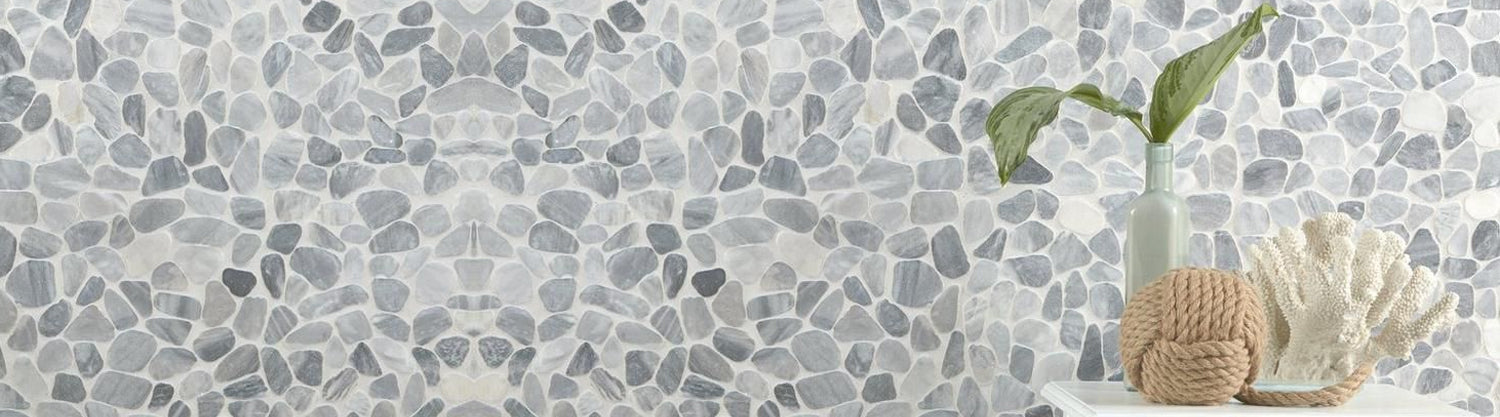
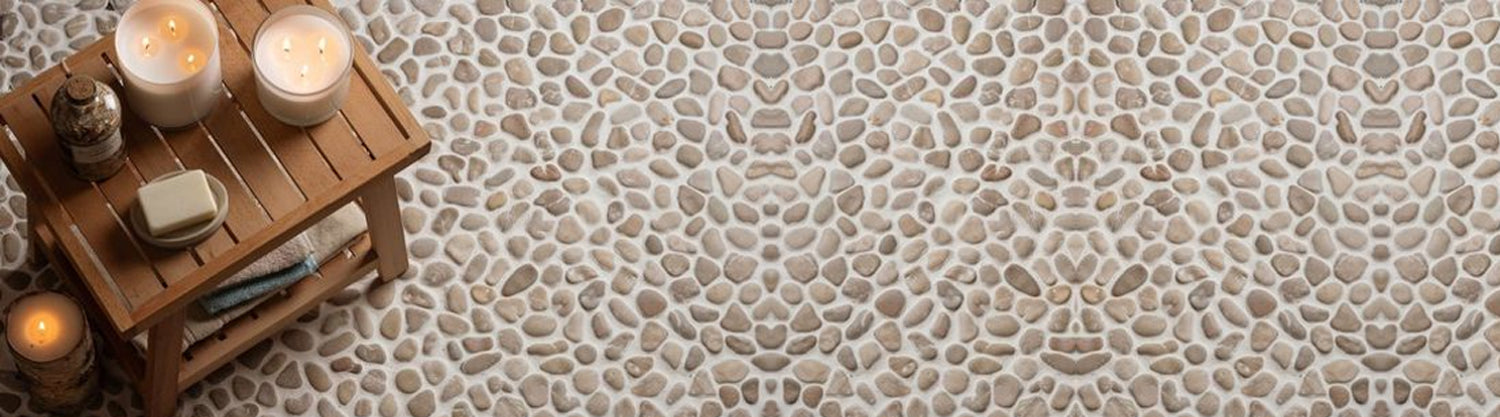
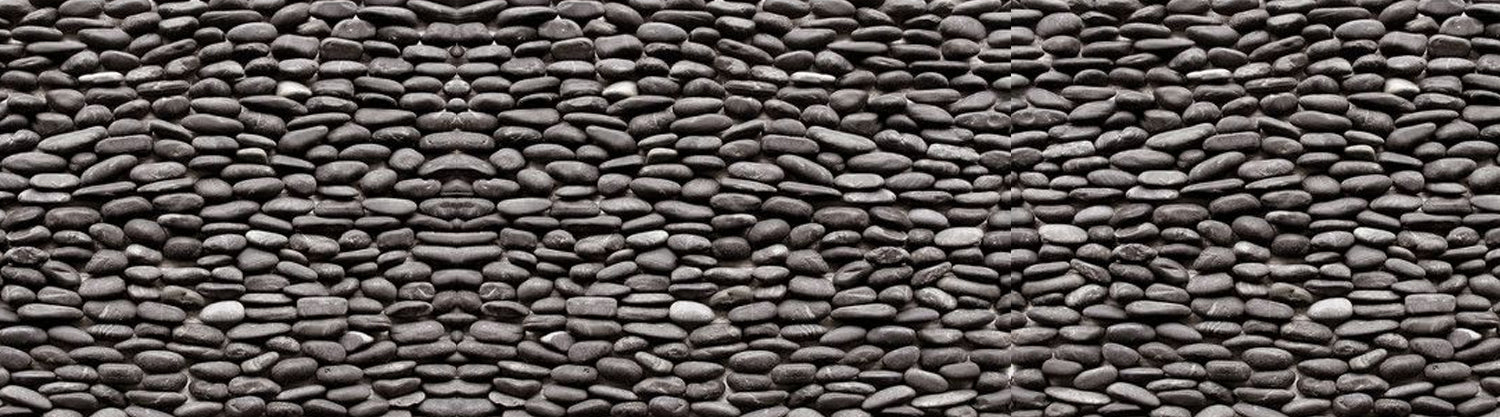
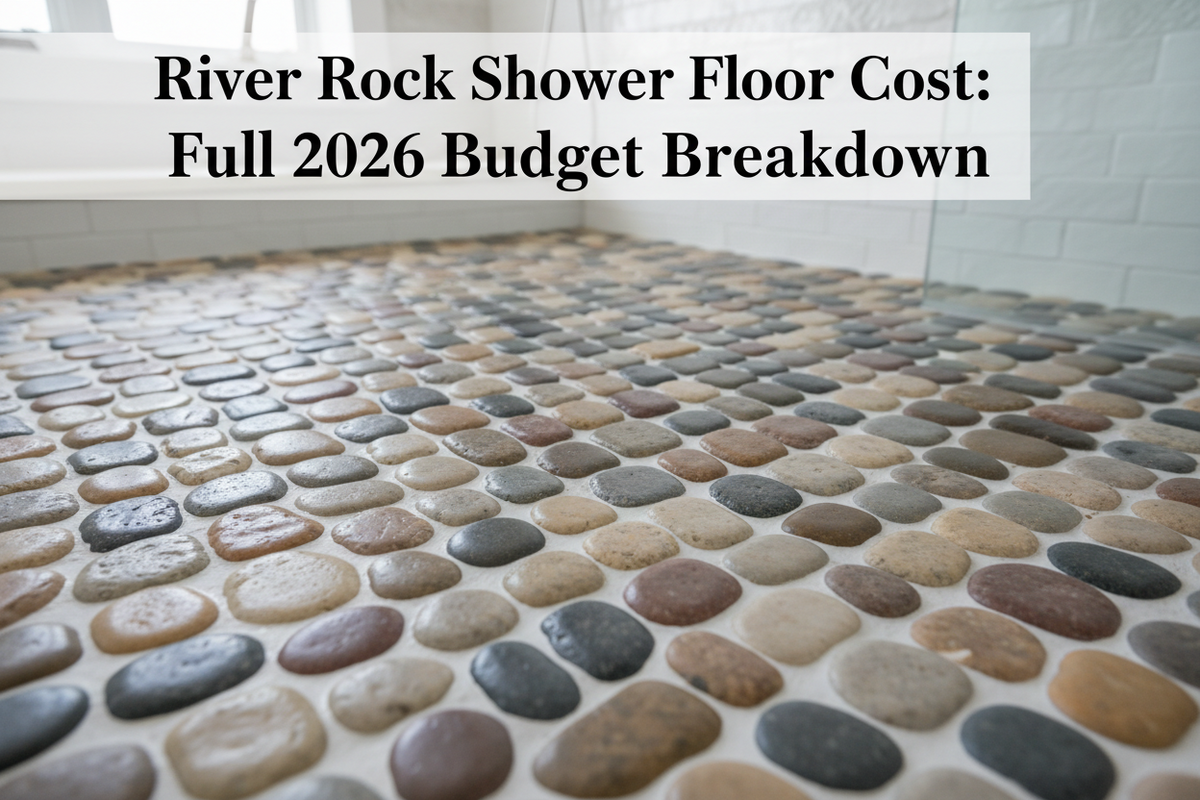
A river rock shower floor is a shower base surface made from naturally rounded stones, often called pebbles, arranged and set into mortar, then grouted and sealed. Most homeowners buy river rock in mesh backed sheets, pre arranged stones that install much like tile, though some custom designs use loose stones placed by hand.
- Natural, spa like look: river rock brings organic texture and a calming feel that works in modern, rustic, coastal, and even minimalist bathrooms
- Comfort underfoot: many people prefer the gentle, massaging feel compared to flat tile, especially when the stones are properly set and grouted
- Extra texture: the uneven surface can offer a more secure feel than slick tile, especially when sealed correctly
- Design variety: smooth or textured stones, light neutrals or bold mixes, uniform pebble sizes or mixed shapes
The trade off is that river rock takes more care to install and maintain than a standard flat tile floor, which is exactly why the cost range varies so much.
River Rock vs Riverstone Shower Floor: Is It the Same Thing?
Yes. River rock and riverstone are two names for the same product, naturally tumbled stones smoothed by water flow over time, sold in mesh backed sheets for shower and floor installation. Some suppliers and search results use the terms interchangeably, and a few use "pebble tile" as a third name for essentially the same category of product. The cost ranges, installation process, and maintenance needs covered in this guide apply equally whether you search for river rock, riverstone, or pebble tile.
One small distinction worth knowing: within the riverstone category, you will see stones described as polished, tumbled, or natural finish. Polished stones have a smoother, slightly glossy surface. Tumbled or natural finish stones keep more of their organic texture. This affects grip and look more than it affects price, though highly polished stone can sometimes carry a small premium.
Key Factors That Influence River Rock Shower Floor Cost
Two projects can both be called a river rock shower floor and still land on very different budgets. Here is what actually moves the price.
- Stone quality and style: natural stones vary in color consistency, thickness, and finish. Premium options look more refined and often install more smoothly.
- Sheet tile vs hand set stones: mesh backed pebble sheets are usually more affordable and faster to install than custom hand placement.
- Shower size and layout: a small floor costs less in total, but complex shapes, curbless showers, benches, and odd angles increase labor.
- Base prep and waterproofing needs: an uneven, damaged, or improperly waterproofed subfloor adds significant repair cost.
- Drain type and slope complexity: pebbles must follow the shower pan's slope cleanly. Drain upgrades or repositioning also add cost.
- Grout and sealing decisions: grout choice affects both looks and maintenance, and sealing is not optional for long term performance.
- Local labor rates: installation costs vary widely by region and contractor demand.
Think of it this way: the stones are only part of the story. The real budget comes from how much work it takes to make the floor look great and function flawlessly for years.
Cost Breakdown: Materials
Material pricing usually falls into a few buckets: the pebble tile itself, setting materials, grout, and sealer.
River Rock Tile (Pebble Sheets)
| Material Tier | What You Get | Cost per sq ft |
|---|---|---|
| Budget | Basic pebble sheets, more variation in thickness and color | $8 to $14 |
| Mid range | More consistent sizing, better sheet layout, cleaner finish | $14 to $24 |
| Premium | Higher consistency, curated color blends, smoother install | $24 to $40+ |
Tip: pebble sheets are often sold by the sheet, then converted to square footage. Calculate with 10% overage at minimum, more if your shower has lots of cuts.
Mortar or thinset: because pebbles vary in thickness, installers often use a quality mortar that allows adjustment while keeping the surface stable. Expect roughly $1 to $3 per sq ft.
Grout: river rock floors use more grout than flat tile, since there are more gaps. Expect $1 to $3 per sq ft, more for premium stain resistant options.
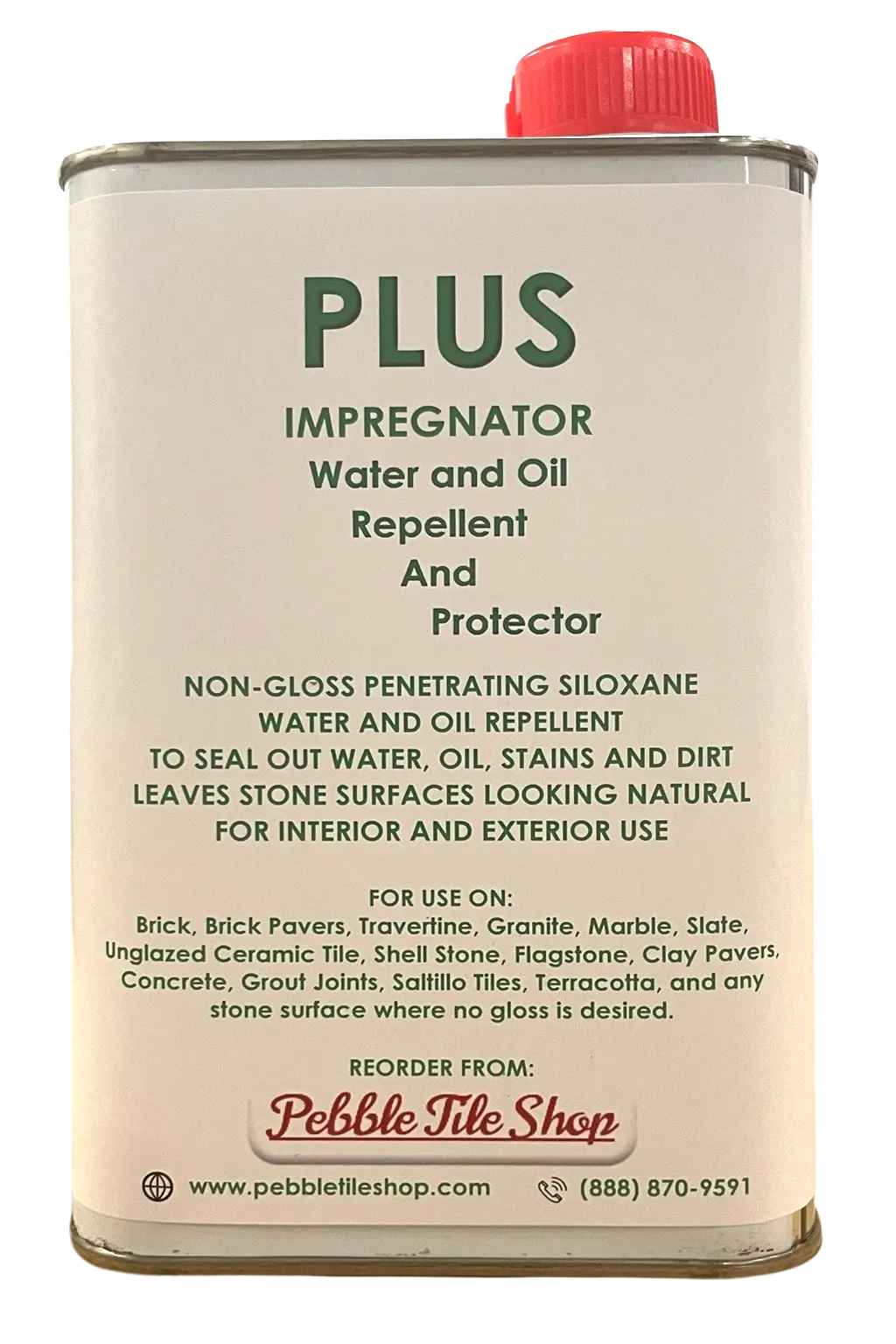
Sealer: sealing protects both stone and grout from moisture absorption, staining, and discoloration. Some stones are more porous than others, so sealing is not optional. Expect $0.50 to $2 per sq ft in materials.
Estimated materials only total: most homeowners land around $12 to $30 or more per sq ft, depending on stone choice and finishing products.
Cost Breakdown: Installation
If there is one line item that surprises people, it is labor. A river rock shower floor takes more time and attention than a flat tile floor because the surface is irregular and the slope needs to be exact for drainage.
Professional installation typically runs $10 to $30 or more per sq ft, moving based on shower pan condition, cut complexity, and any additional prep work needed.
Why river rock installation costs more than flat tile:
- More detailed placement: pebble sheets must be blended so the sheet edges disappear, which takes real time to get right
- Leveling and comfort: stones should feel comfortable underfoot, not like sharp ridges, which comes from proper setting depth and careful grouting
- Slope and drainage precision: water needs to flow cleanly to the drain without pooling, and that takes real skill with an irregular surface
DIY vs hiring a pro: DIY can save on labor, but it is not the easiest first time tile project. Be honest with yourself about your comfort level with waterproofing systems, creating the correct slope, cutting sheets neatly around a drain, and grouting and sealing without haze or uneven joints. If any of that feels uncertain, a professional install often pays for itself by preventing leaks, drainage issues, or a floor you regret every morning.
Shower Pan Compatibility: What You Need to Know
River rock can be installed over most standard shower pan types, but the pan's slope and material affect both cost and the finished feel of the floor.
- Mortar bed (mud) pans: the most common base for river rock, since the pan can be sloped precisely to match how the pebbles will sit and drain
- Pre-formed shower pans: some accept tile installation directly, others require a bonded mortar layer first. Confirm with the manufacturer before ordering stone
- Existing pans being reused: if you are retiling over an old pan, have it checked for proper slope and any water damage before installing river rock, since correcting drainage after the stone is set is far more expensive than fixing it beforehand
If your project involves a new shower pan build or a linear drain upgrade, factor that into your budget separately from the pebble tile itself. Pan work and drain repositioning are two of the most common reasons a river rock project costs more than the homeowner initially expected.
Flat River Rock vs Traditional Pebble Shower Floors
Not all river rock is round and domed. Flat river rock, sometimes called sliced or flat pebble tile, uses stones that are cut or naturally flatter, giving a smoother, more even surface underfoot while still keeping the organic look and grip of natural stone.
| Style | Feel Underfoot | Best For |
|---|---|---|
| Traditional (rounded) river rock | More textured, a gentle massaging feel | Spa style showers, natural rustic looks |
| Flat or sliced river rock | Smoother, more even, still textured for grip | Households wanting easier standing comfort, accessible showers |
Flat river rock tends to sit in a similar price range to standard pebble sheets, though some flat or sliced styles fall into the mid range to premium tier due to the extra processing involved. If comfort underfoot is a bigger priority than maximum texture, ask your supplier specifically about flat or sliced pebble options before choosing.
River Rock Shower Floor Cost Examples
Here are real life style budget scenarios to help you visualize total costs. These are typical ranges, not fixed quotes.
Small Shower Refresh
3' x 4' = 12 sq ft
Materials: $150 to $300
Labor: $180 to $420
Total: $330 to $720
Standard Remodel
3' x 5' = 15 sq ft
Materials: $200 to $450
Labor: $225 to $600
Total: $425 to $1,050
High End Custom
Large shower, premium stone, drain upgrade
Materials: $500 to $1,200+
Labor: $700 to $1,800+
Total: $1,200 to $3,000+
The biggest difference between the standard and high end scenarios usually is not just better stone. It is the combination of premium materials, extra detailing, and added waterproofing or plumbing work.
Additional Costs to Consider
To budget smartly, plan for a few often forgotten costs that can show up once work begins.
- Waterproofing system: a new membrane or shower pan system can raise costs quickly
- Subfloor repair: old water damage, uneven surfaces, or structural issues must be fixed before tile goes down
- Drain upgrades: changing drain type, location, or adding a linear drain affects labor and plumbing costs
- Transition pieces: curbs, thresholds, and edging details sometimes need additional trim or finishing materials
- Maintenance supplies: a stone safe cleaner and periodic resealing should be part of your long term cost plan
None of these are bad news, they are just reality checks. A well built shower is one of the best upgrades you can make, but it is also a place where cutting corners gets expensive later.
How to Save Money Without Sacrificing Quality
- Choose a mid range pebble tile: many mid tier options give a polished look without the premium price tag
- Keep the layout simple: straightforward shower shapes reduce cutting time and labor complexity
- Buy from a specialist tile supplier: sourcing river rock from a dedicated tile store can offer better value and more reliable quality than random big box batches
- Do safe prep work yourself: removing old tile or clearing the space carefully may reduce labor hours
- Plan everything upfront: last minute changes trigger extra material orders, delays, and new labor charges
How to Clean and Seal a River Rock Shower Floor
A river rock shower floor can last a long time when it is installed correctly and maintained with basic, consistent care.
Cleaning
- Use a stone safe, pH neutral cleaner, avoiding harsh acids or bleach heavy products that can damage stone and grout over time
- Rinse after use when possible, and squeegee excess water to reduce mineral buildup
- Run your bathroom fan during and after showers, since ventilation reduces the moisture that lingers in grout lines and drives mold growth
Sealing
Most river rock floors need periodic resealing. The exact frequency depends on the stone, the grout type, and how heavily the shower gets used, but an annual check is a reasonable default for most households. Look for a penetrating sealant rather than a surface film sealer, since a penetrating formula bonds inside the stone and grout rather than sitting on top where it can peel or wear unevenly on an irregular pebble surface.
The water drop test: place a few drops of water on the grout and stone. If it beads up, your seal is still working. If it soaks in within 30 seconds, it is time to reseal.
When installed properly and maintained on this kind of simple schedule, the long term value is strong. You get a surface that looks natural, feels distinctive, and holds up well compared to trendier finishes that age out of style quickly.
Frequently Asked Questions
Are river rock shower floors slippery?
Many people find a river rock shower floor feels more secure than glossy tile, since the stones add natural texture. The final grip depends on stone finish, grout level, and sealer used. A well installed floor with proper slope and drainage helps prevent slick pooling areas.
Is river rock the same as riverstone for shower floors?
Yes, river rock and riverstone refer to the same product, naturally tumbled stones sold in mesh backed sheets for shower and floor use. Some suppliers also call this category pebble tile. Cost, installation, and maintenance are the same regardless of which name is used.
Do river rock floors cost more than standard tile floors?
Often yes, mostly because installation takes more time. Material cost can be similar to mid range tile, but labor tends to run higher due to the detailed setting, slope precision, and grouting process an irregular pebble surface requires.
Can I install river rock shower flooring myself?
You can if you are experienced with tile and comfortable with waterproofing, slope, and careful finishing. If you are new to tile work, many homeowners prefer hiring a pro to avoid leaks, drainage issues, or an uneven surface that does not feel good underfoot.
How do I seal a river rock shower floor?
Use a penetrating sealant designed for natural stone, applied once the grout has fully cured, typically 48 to 72 hours after installation. Reseal on a regular schedule, generally once a year for most households, and use the water drop test to check whether it is time sooner.
How long does a river rock shower floor last?
With correct waterproofing, proper installation, and occasional resealing, river rock shower floors can last for many years. Longevity depends more on the quality of the build underneath, the pan, slope, and waterproofing, than on the stones themselves.
A river rock shower floor can be a smart investment if you love the natural look and want a shower that feels warm, grounded, and genuinely different. Most budgets come down to two pieces: the stone you choose and the complexity of installation. Plan for materials, labor, waterproofing, and sealing upfront, and you will avoid surprises and feel good about the final result.