Choosing tile sounds simple—until you’re standing in a showroom (or scrolling online) wondering what actually works for your home. If you’re stuck between natural stone and a high-performance manufactured option, you’re not alone. The marble vs porcelain tile decision comes up all the time for bathrooms, kitchens, and floors because both can look amazing, both can add value, and both can be the “right” choice in the right space.
This guide breaks it down in plain terms: what each material is, how they compare in real life, where each one shines, and what you should consider before you buy. By the end, you’ll know which tile fits your lifestyle—not just your Pinterest board.
What Are Marble and Porcelain Tile?
Marble Tile
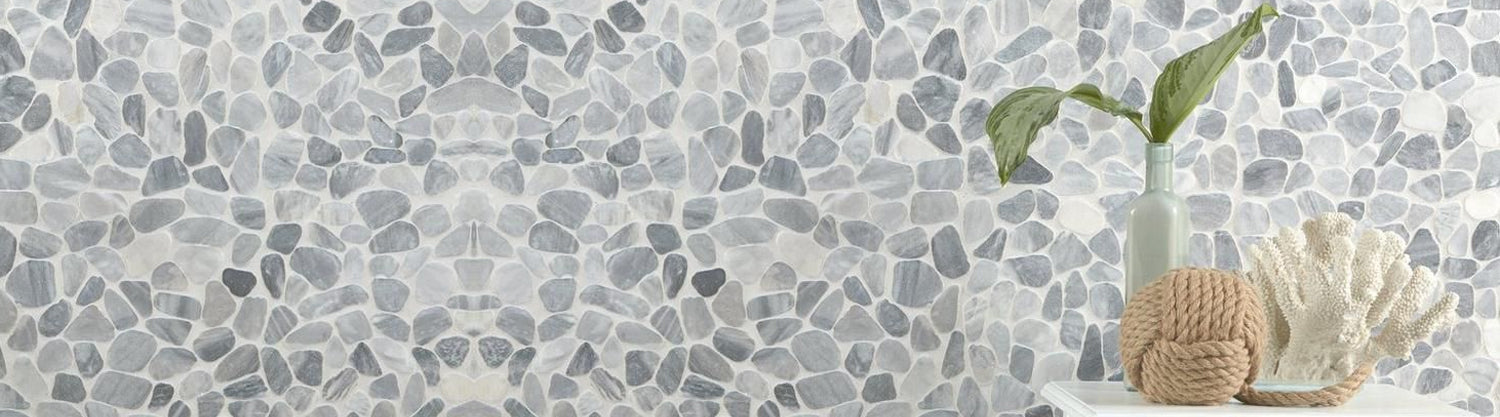
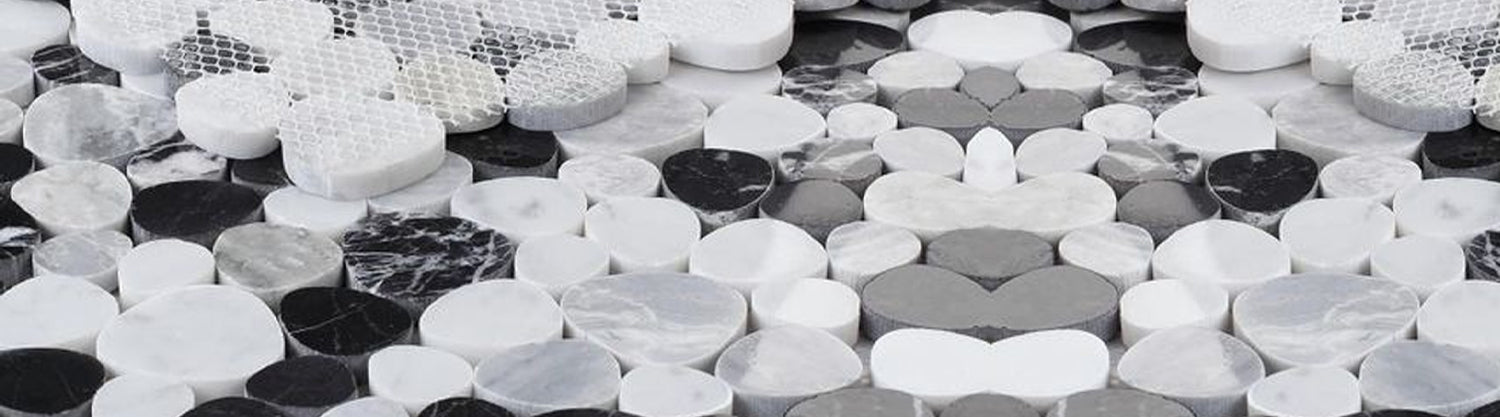
Marble is a natural stone. That means every piece has its own veining, movement, and character—no two tiles are exactly the same. That uniqueness is a big reason people fall in love with marble. It can make a bathroom feel spa-like, a kitchen feel high-end, and an entryway feel instantly elegant.
Marble typically comes in finishes like polished (shiny and reflective) and honed (soft, matte, and more subtle). While it’s beautiful, it’s also more sensitive than many homeowners realize. Marble is porous, which means it can absorb moisture and stains if it isn’t sealed properly. It can also etch—a dull mark that happens when acidic liquids (like lemon juice or vinegar) touch the surface.
Porcelain Tile
Porcelain is a type of ceramic tile, but it’s denser, harder, and less absorbent than standard ceramic. It’s fired at higher temperatures, which gives it strong performance in wet areas and high-traffic spaces. If you want a tile that’s built for daily life—kids, pets, cooking messes, steamy showers—porcelain is often the stress-free option.
Today’s porcelain is also a style powerhouse. You can find porcelain tile that looks like marble, concrete, wood, limestone, terrazzo, and more. That’s why many homeowners choose porcelain when they want the look of stone with easier care.
Side-by-Side Comparison: Marble vs Porcelain Tile
If you want the quickest way to understand marble vs porcelain tile, this section gives you the big differences in everyday terms.
| Feature | Marble Tile | Porcelain Tile |
|---|---|---|
| Durability | Strong but softer than porcelain; can scratch/etch | Highly durable; resists scratches and chips well |
| Water Resistance | Porous; needs sealing to protect | Very low absorption; great for wet areas |
| Stain Resistance | Can stain if not sealed or cleaned quickly | Generally stain-resistant and easy to clean |
| Maintenance | Requires sealing and gentle cleaners | Low maintenance; simple cleaning routine |
| Style | Natural veining; truly one-of-a-kind | Huge range of looks; can mimic marble convincingly |
| Cost | Often higher upfront; installation can cost more | Wide range; often more budget-flexible |
Durability & Hardness
Porcelain is usually the winner when durability is the top concern. It’s dense, tough, and well-suited for busy homes. Marble is still strong, but it’s a natural stone with a softer feel under pressure. In practical terms, marble can be more likely to show wear in high-traffic areas, and it’s more vulnerable to scratches or etching depending on where it’s used.
Water & Stain Resistance
Bathrooms and kitchens are messy places. Water, steam, spills, and cleaning products are part of life. Porcelain is known for having very low water absorption, which is why it’s commonly recommended for showers, bathroom floors, and kitchen floors.
Marble can work in those spaces too—but it asks more from you. Sealing is important, and quick clean-ups matter. If you love marble and don’t mind the upkeep, it can still be a beautiful choice. If you want worry-free performance, porcelain tends to be easier.
Maintenance & Care
Maintenance is one of the biggest deciding points in the marble vs porcelain tile conversation. Porcelain is simple: sweep, vacuum, mop with a gentle cleaner, and you’re done. Marble needs more attention—especially when it comes to the cleaners you use. Harsh or acidic products can dull the surface over time, and sealing needs to be part of your plan.
Aesthetic & Design Flexibility
Marble has an unmistakable look: natural depth, soft veining, and a sense of luxury that’s hard to replicate perfectly. That said, porcelain has come a long way. Many porcelain tiles can mimic marble beautifully and offer consistent patterning that works well for large rooms or designs where you want a more uniform look.
Cost Comparison
Costs vary by region, tile size, and installation complexity. In general, marble tends to cost more upfront, and it can also cost more to install—especially if the tile needs extra care or the subfloor requires additional prep. Porcelain gives you more options across price points, from affordable basics to premium large-format styles.
Longevity & Performance
Both materials can last for decades when installed properly. The difference is how they age in day-to-day life. Porcelain is the “quiet performer”—it just keeps going with minimal effort. Marble develops character over time, and some homeowners love that lived-in look. Others prefer a surface that stays consistent and low-maintenance. Your preference matters here.
Best Uses by Space
Bathrooms
Bathrooms are one of the most common places people debate marble vs porcelain tile. Here’s a practical way to decide:
- Porcelain is ideal for shower floors, bathroom floors, and family bathrooms where water and humidity are constant. Look for slip-resistant options, especially for wet floors.
- Marble works beautifully on shower walls, bathroom feature walls, and areas where you want a more elevated, spa-like feel. A honed finish can also be a smart pick if you prefer less glare and a more subtle look.
If you want marble in a bathroom but you’re worried about maintenance, consider using marble on the walls and choosing porcelain for the floor. That combo gives you luxury where it’s most visible and durability where it matters most.
Kitchens
Kitchens are tough environments—heat, food spills, heavy foot traffic, and constant cleaning. For many households, porcelain is the easiest choice for kitchen floors because it handles daily wear without stress.
- Porcelain shines on kitchen floors and backsplashes because it resists stains and is easy to wipe down.
- Marble makes an impact on backsplashes and statement areas, especially if you’re aiming for a classic, high-end style.
Marble can be used in kitchens, but it’s best when you’re comfortable with routine care and quick clean-ups. If someone in your home loves cooking with citrus, sauces, and wine, just know marble may show signs of that life over time.
Floors & High-Traffic Areas
For floors that see heavy use—entryways, hallways, living rooms, and open-plan spaces—porcelain is often the better match. It’s tough, dependable, and less likely to show scratches or stains.
Marble is still a beautiful flooring option, especially in low-traffic areas or formal spaces where you want a striking first impression. If you’re considering marble flooring, choose a finish that fits your lifestyle and be realistic about how it will look after years of use. Some homeowners love that patina; others don’t.
Real-World Cost & Value Considerations
When you compare marble vs porcelain tile, the price tag isn’t just the material itself. It’s also installation, maintenance, and long-term care.
- Upfront cost: Marble often comes with a higher material price and may require more specialized installation.
- Long-term cost: Marble may need periodic sealing and more careful cleaning. Porcelain typically requires less ongoing effort.
- Value: Marble can feel luxurious and timeless, which many buyers love. Porcelain can deliver a premium look too—especially marble-look porcelain—while offering practical performance that appeals to a wide range of homeowners.
If you’re balancing beauty with a realistic budget, porcelain can help you get a high-end style without committing to higher maintenance.
Maintenance Tips & Best Practices
- For marble tile: Use a pH-neutral stone cleaner, wipe spills quickly, and keep sealing on your maintenance calendar. Avoid harsh or acidic cleaners.
- For porcelain tile: Regular sweeping or vacuuming helps prevent grit from dulling the surface. A gentle mop and mild cleaner are usually all you need.
One simple habit that helps both materials: use mats in high-traffic zones and felt pads under furniture to reduce wear over time.
FAQs
Is marble better than porcelain for bathrooms?
It depends on how you use the bathroom. Porcelain is often better for wet areas and family bathrooms because it’s low-absorption and easy to maintain. Marble is great for creating a luxury look, especially on walls or feature areas, as long as you’re comfortable with sealing and careful cleaning.
Does porcelain tile look like real marble?
Many modern porcelain tiles can look very close to marble, including realistic veining and soft color variation. Porcelain also offers more consistency from tile to tile, which some homeowners prefer.
Which tile lasts longer?
Both can last a long time with proper installation. Porcelain typically holds up better in high-traffic areas and wet environments, while marble can last for decades but may show more visible wear depending on the finish and maintenance routine.
Is porcelain tile slippery in wet areas?
Some polished porcelain can be slippery when wet, but many porcelain tiles are made with slip-resistant finishes specifically for bathrooms and showers. Always check the slip rating and choose the right finish for the space.
Conclusion
The best choice in the marble vs porcelain tile debate comes down to what you value most. If you want natural beauty, one-of-a-kind veining, and a timeless luxury feel, marble can be a stunning option—especially in spaces where you can give it the care it deserves. If you want durability, easy maintenance, and a tile that fits real-life routines without stress, porcelain is hard to beat.
If you’re planning a bathroom refresh, a kitchen upgrade, or new flooring, it helps to compare options side by side—finish, size, and the overall look you want in your space. Browse TileHub’s curated selection of marble and porcelain tiles to find a style that fits your home, and if you’d like a second opinion, reach out for guidance on choosing the right tile for your room, traffic level, and budget.