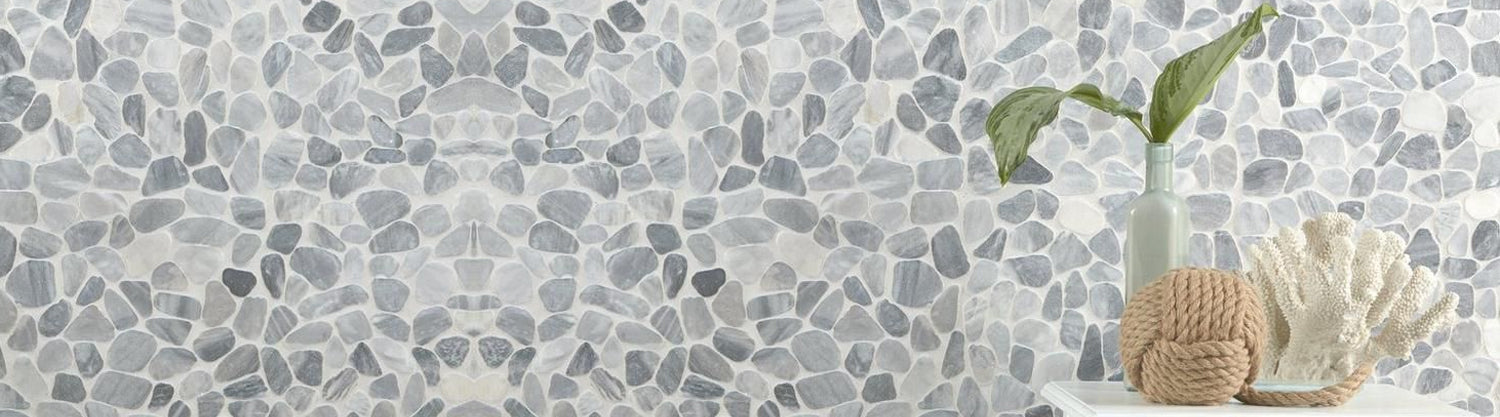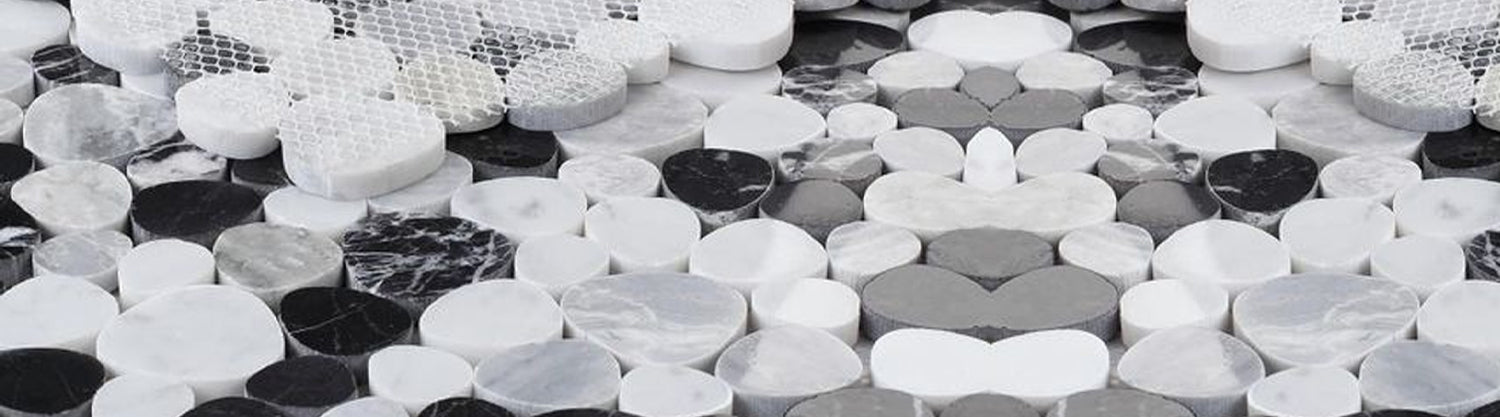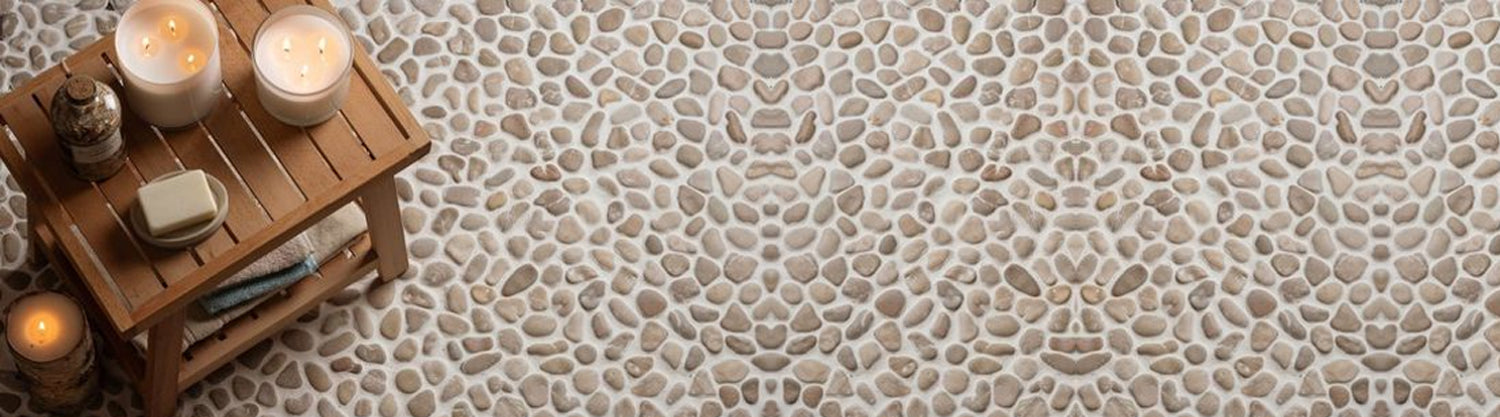
Bathrooms have evolved from purely functional spaces into areas of comfort, relaxation, and personal style. Among all material choices available today, natural stone bathroom tiles continue to stand out for their authenticity, depth, and long-lasting appeal. Unlike manufactured surfaces, natural stone brings character that cannot be replicated—each tile carries its own markings, textures, and variations.
That said, choosing natural stone for a bathroom isn’t just about visual appeal. Moisture exposure, daily use, maintenance needs, and slip resistance all matter. This guide is designed to help you understand your options clearly, weigh the pros and cons honestly, and select a natural stone tile that fits both your space and lifestyle.
What Are Natural Stone Bathroom Tiles?
Natural stone bathroom tiles are cut directly from quarried stone and finished into tiles suitable for interior use. Unlike porcelain or ceramic tiles, which are factory-made, natural stone retains the organic qualities formed over thousands of years. This is what gives stone its unique color variations, veining, and texture.
Popular natural stones used in bathrooms include marble, travertine, slate, granite, and limestone. Each stone behaves differently when exposed to water, foot traffic, and cleaning products. Understanding these differences is key to making the right choice rather than selecting stone based on appearance alone.
Why Choose Natural Stone for Bathrooms?
- Timeless aesthetics: Natural stone never looks dated and works across classic, modern, and spa-inspired designs.
- One-of-a-kind appearance: No two tiles are exactly the same, giving your bathroom a truly custom look.
- Value addition: Stone surfaces are often perceived as premium finishes and can enhance resale appeal.
- Versatility: Suitable for floors, walls, showers, and accent areas when selected correctly.
- Longevity: With proper sealing and care, stone tiles can last for decades.
For homeowners who appreciate natural materials and long-term value, natural stone bathroom tiles offer both beauty and substance.
Types of Natural Stone Bathroom Tiles (Pros, Cons & Best Uses)
Marble Bathroom Tiles
Marble is one of the most popular choices for bathroom walls and feature floors. Its soft veining and light-reflective surface can make even small bathrooms feel elegant and open.
- Pros: Luxurious appearance, brightens interiors, wide color range
- Cons: Requires sealing, sensitive to acidic products
- Best for: Walls, low-traffic floors, accent areas
Travertine Bathroom Tiles
Travertine offers warm, earthy tones and a naturally textured surface. When properly filled and sealed, it performs well in bathrooms.
- Pros: Slip-friendly finishes, organic look, timeless appeal
- Cons: Porous by nature, needs consistent sealing
- Best for: Floors, shower walls, spa-style bathrooms
Slate Bathroom Tiles
Slate is known for its natural grip and layered texture, making it a practical choice for wet areas.
- Pros: Excellent slip resistance, durable, low shine
- Cons: Darker tones may visually shrink small spaces
- Best for: Bathroom floors, shower floors, wet zones
Granite Bathroom Tiles
Granite is one of the hardest natural stones available, making it suitable for bathrooms that see heavy use.
- Pros: Extremely durable, stain-resistant when sealed
- Cons: Less soft veining compared to marble
- Best for: Floors, family bathrooms, high-traffic areas
Limestone Bathroom Tiles
Limestone offers subtle color movement and a calm, neutral appearance that works well in understated designs.
- Pros: Soft, natural look, warm tones
- Cons: More delicate, requires careful maintenance
- Best for: Walls, powder rooms, low-moisture areas
Choosing the Right Natural Stone for Different Bathroom Areas
Bathroom Floors
Floors need durability and slip resistance. Honed or textured finishes are usually safer than polished surfaces, especially in family or shared bathrooms.
Shower Walls & Shower Floors
Shower areas demand careful selection. Smaller-format stone tiles or mosaics improve traction, while proper sealing protects against moisture penetration.
Vanity Backsplashes & Accent Walls
These areas allow more freedom. Decorative stones like marble or limestone work well here since they are exposed to less water and foot traffic.
Finish Matters: Polished vs Honed vs Textured Stone
The finish of your stone tile affects both appearance and performance.
- Polished: Glossy and elegant but can be slippery when wet
- Honed: Matte finish that balances beauty and practicality
- Textured or tumbled: Rustic appearance with improved grip
For most bathrooms, honed finishes strike the best balance between style and safety.
Maintenance & Sealing: What Homeowners Need to Know
Natural stone bathroom tiles require sealing to protect against moisture and stains. Sealing is not a drawback—it’s a protective layer that preserves the stone’s appearance over time.
Most stone tiles need resealing every one to three years, depending on usage. Daily care is simple: use pH-neutral cleaners and avoid harsh chemicals. With proper care, natural stone ages gracefully rather than wearing out.
Design Tips: Making Natural Stone Work in Any Bathroom Size
- Use light-colored stone to make small bathrooms feel larger
- Lay veined stone in consistent directions for visual flow
- Pair natural stone with modern fixtures for balanced contrast
- Use stone mosaics to add texture without overwhelming the space
Thoughtful design choices help natural stone feel intentional rather than overpowering.
Common Mistakes to Avoid When Choosing Natural Stone Bathroom Tiles
- Selecting stone purely for looks without considering moisture exposure
- Ignoring slip resistance for bathroom floors
- Skipping sealing or ongoing maintenance
- Ordering exact quantities without accounting for natural variation
A well-informed choice prevents long-term frustration.
Are Natural Stone Bathroom Tiles Worth the Investment?
Natural stone tiles often cost more upfront than ceramic or porcelain alternatives. However, their durability, timeless appeal, and perceived value can outweigh the initial expense. For homeowners who appreciate natural materials and plan to stay long-term, stone is often a worthwhile investment.
Conclusion: Finding the Right Natural Stone Tile for Your Bathroom
The best natural stone bathroom tiles are not defined by trends, but by how well they suit your space, lifestyle, and expectations. When chosen thoughtfully, natural stone brings lasting beauty and a sense of authenticity that few materials can match.
If you’re exploring options, TileHub offers a carefully curated selection of natural stone bathroom tiles designed for real-world use. From durable floor tiles to elegant wall stones, choosing the right material becomes easier when quality, performance, and design come together.