If you’re considering mirror tiles for wall use in your kitchen, you’re probably drawn to the idea of a brighter, more spacious look. Reflective surfaces can make even compact kitchens feel open and layered. But kitchens are not just decorative spaces—they’re working zones filled with heat, steam, grease, and daily mess.
So the real question isn’t just “Do mirror tiles look good?” It’s: Can they handle backsplash conditions?
In this guide, we’ll walk through what actually happens when you use mirror tiles as a backsplash, the pros and cons, ideal placement ideas, maintenance realities, and when they make sense—and when they don’t.
- Pros and practical benefits
- Heat and moisture considerations
- Cleaning expectations
- Best placement strategies
- Buying and installation tips
What Happens When You Use Mirror Tiles for Wall as a Kitchen Backsplash?
Mirror tiles in a living room or hallway behave very differently than mirror tiles installed behind a sink or stove. A backsplash must stand up to splashes, cooking oils, heat exposure, and frequent cleaning.
When used in kitchens, mirror tiles for wall installations are exposed to:
- Heat (especially near gas or electric cooktops)
- Steam from boiling and baking
- Grease splatter during frying or sautéing
- Water exposure around sinks
Another important factor: reflection. Kitchens often have open shelving, appliances, and countertops that aren’t always perfectly styled. A reflective backsplash can amplify both beauty and clutter.
Behind a cooktop is the most demanding area. Prep zones or beverage stations are typically lower-risk and more forgiving. Understanding placement is key before committing to a full mirror backsplash.
Pros of Using Mirror Tiles for Wall in Kitchens
Despite the concerns, mirror tiles can be a stunning addition when thoughtfully placed. Here’s why some homeowners love them in kitchen spaces.
1) Makes Small Kitchens Feel Bigger
Reflection creates visual depth. In narrow kitchens or galley layouts, mirror tiles can make walls appear farther away, helping the space feel less confined.
2) Brightens Dark Spaces
If your kitchen lacks windows, mirror surfaces bounce artificial light around the room. Under-cabinet lighting becomes more effective, and the overall space feels brighter without adding more fixtures.
3) Creates a High-End, Boutique Look
Antique or tinted mirror tiles especially can elevate a kitchen. They add warmth and character without feeling overly shiny. When paired with brass fixtures, natural wood cabinetry, or stone countertops, they create a refined atmosphere.
4) Works Beautifully as a Feature Panel
Mirror tiles don’t have to cover the entire backsplash. They can serve as a decorative panel behind open shelving, a coffee station, or a bar nook. In these applications, they feel intentional and less exposed to heavy splatter.
Cons & Practical Concerns (What Most People Don’t Realize)
Mirror backsplashes aren’t maintenance-free. Before installing mirror tiles for wall use in kitchens, consider these realities.
1) Grease & Smudge Visibility
Mirror surfaces show fingerprints and cooking splatter more easily than ceramic or porcelain tile. If you cook frequently, you’ll likely need regular wipe-downs to keep the surface looking polished.
2) Heat Exposure Behind the Stove
Directly behind high-heat gas burners, mirror tiles may not always be ideal. Excessive heat can impact backing over time if materials are not appropriate. If placing near a cooktop, ensure product suitability and proper installation.
3) Seams & Grout Lines
Mirror mosaic tiles include grout lines that can trap grease if not sealed properly. More seams also mean a more segmented reflection, which some homeowners love—and others don’t.
4) Wall Flatness Matters Even More
Kitchens often have uneven drywall behind cabinets. Mirror tiles exaggerate uneven surfaces. If the wall isn’t level, distortion becomes noticeable once installed.
If you want a backsplash that hides splatter and requires minimal upkeep, mirror tiles may not be the best primary material behind a stove.
Where Mirror Tiles Work Best in a Kitchen (Smart Placement Ideas)
Placement makes all the difference. Instead of covering an entire backsplash, consider targeted areas.
Behind Open Shelving (Not Cooktop)
This location adds depth and reflects décor items without heavy grease exposure.
On a Coffee Bar or Beverage Station
Lower heat levels and minimal splatter make this an ideal decorative zone.
As a Partial Backsplash
Mirror tiles can be paired with ceramic or porcelain tiles. For example, use durable tile behind the stove and mirror tiles along side walls.
On the Exterior Side of a Kitchen Island
Adding mirror tiles to the outward-facing island panel creates interest without exposure to cooking mess.
Safest kitchen zones for mirror tiles:
- Away from direct burner heat
- Outside heavy grease areas
- In decorative or secondary prep zones
Best Types of Mirror Tiles for Wall in Kitchens
Not all mirror tiles are equally suited for backsplash applications.
Antique / Tinted Mirror Tiles
These finishes help disguise fingerprints and minor smudges better than ultra-clear mirrors. They also reduce glare from under-cabinet lighting.
Beveled Mirror Tiles
Beveled edges add texture and visual depth. They look striking in kitchen accent zones but require attentive cleaning to prevent buildup along edges.
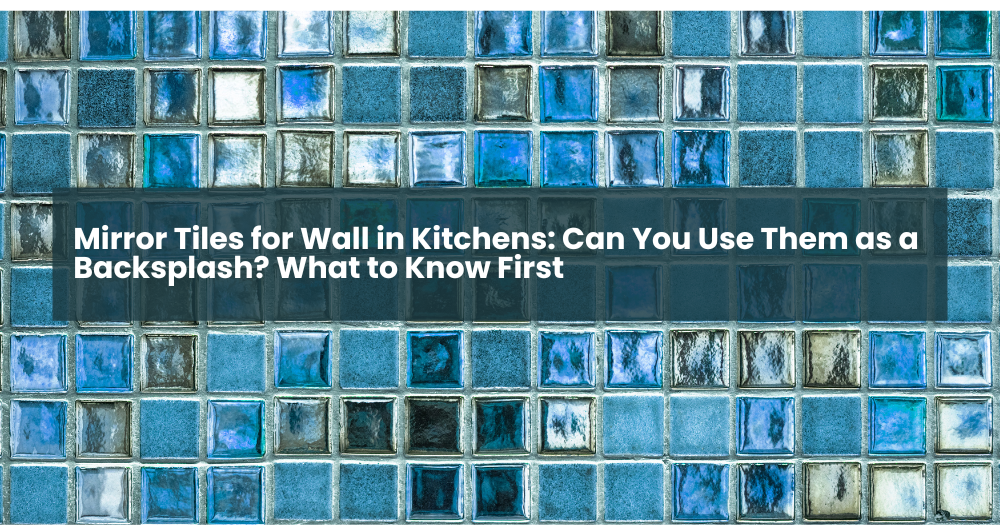
Mirror Mosaic Tiles
Best used in smaller areas rather than full-height backsplashes. They create pattern and dimension but include grout lines that need sealing and maintenance.
Avoid very thin, low-quality mirror tiles. Choose products with durable backing and confirm suitability for backsplash environments before installation.
Installation Considerations for Kitchen Use
Proper installation protects both the appearance and longevity of your backsplash.
- Surface Prep: Ensure the wall is clean, smooth, and dry.
- Layout Planning: Dry-fit tiles to plan around outlets and switches.
- Adhesive Selection: Use mirror-safe adhesive compatible with your wall surface.
- Careful Placement: Maintain even spacing and alignment.
- Grouting & Sealing: If using mosaic tiles, seal grout to protect against grease and moisture.
Hiring a professional installer may be wise for complex layouts, full-height installations, or placement near heat sources.
Cleaning & Maintenance: What to Expect Day-to-Day
A mirror backsplash requires more frequent cleaning than traditional tile.
- Wipe surfaces regularly with a soft microfiber cloth.
- Avoid abrasive pads or harsh chemicals.
- Address grease splatter quickly to prevent buildup.
- If grout is present, keep it sealed and clean.
Reality Check: If you cook daily and prefer low-maintenance materials, porcelain or ceramic may be easier long-term. Mirror tiles reward attentive care.
Cost Breakdown: Is a Mirror Backsplash Expensive?
Costs vary depending on finish, tile type, and installation complexity.
- Decorative finishes (antique, beveled) typically cost more than flat mirror tiles.
- Mosaic sheets may increase labor due to grout work.
- Accent areas are far more budget-friendly than full backsplash walls.
Using mirror tiles strategically—such as in feature zones—can deliver visual impact without the expense of covering the entire kitchen wall.
Design Pairing Ideas: What Cabinets & Countertops Work Best?
Mirror backsplashes shine when paired thoughtfully with cabinetry and counters.
- White cabinets + antique mirror: Soft contrast and warmth.
- Dark cabinets + smoked mirror: Rich, dramatic atmosphere.
- Marble countertops + subtle bevel: Elegant and layered.
- Flat-front modern cabinets + flat mirror tile: Clean and contemporary.
Balance is key. If your cabinetry already has bold grain or pattern, consider a simpler mirror style to avoid visual overload.
FAQ: Mirror Tiles for Wall as Kitchen Backsplash
Can mirror tiles handle kitchen heat?
They can in lower-heat zones, but direct exposure behind high-flame burners may not be ideal unless materials and installation are appropriate.
Are mirror tiles hard to clean?
They require more frequent wiping than standard tile, especially in cooking zones.
Do mirror tiles scratch easily?
They should be cleaned gently with non-abrasive cloths to prevent surface damage.
Are mirror tiles waterproof?
The glass surface resists water, but installation and grout sealing are important for moisture protection.
Is mirror backsplash trendy or timeless?
It depends on finish and placement. Antique mirror styles tend to feel more timeless than ultra-glossy full-wall installs.
Can you mix mirror tiles with other backsplash tiles?
Yes. Many homeowners combine mirror accents with durable ceramic or porcelain for a balanced design.
Conclusion: Should You Use Mirror Tiles for Wall in Your Kitchen?
Mirror tiles can absolutely work in kitchens—but smart placement and realistic expectations matter. They’re best suited for accent areas, decorative panels, and lower-splatter zones rather than heavy-duty cooktop walls.
If you love the idea of a reflective backsplash, start small. Order samples, evaluate lighting in your kitchen, and consider pairing mirror tiles with more durable materials where necessary.
Explore thoughtfully curated mirror tile and mosaic options at Tile Hub, compare finishes, and choose a backsplash solution that balances beauty with everyday practicality.