
Planning a walk-in shower remodel is exciting—until you hit the tile decisions. There are so many finishes, shapes, and styles that it’s easy to fall in love with something that looks amazing in a photo but doesn’t perform well in real life. The good news? The best walk in shower tile ideas balance design with day-to-day practicality, so your shower looks beautiful and stays comfortable to use.
This guide breaks down the patterns, colors, and layouts that work in real bathrooms—whether you’re building a sleek modern space, a calming spa vibe, or something timeless you won’t feel the need to redo in five years.
Why Tile Choice Matters in a Walk-In Shower
A walk-in shower is one of the most used spaces in the home. That means tile isn’t just a design choice—it affects safety, cleaning, and how the space feels every single day.
- Safety: Shower floors need more grip than walls. Smaller tiles and mosaics often help because grout lines create traction.
- Durability: Showers deal with constant moisture, temperature swings, and daily cleaning. Choosing the right material and finish helps your tile hold up long-term.
- Maintenance: Tile size and grout color can make cleaning feel either easy or never-ending. Some looks are gorgeous but need more upkeep.
- Visual impact: The same tile can feel totally different depending on layout, grout contrast, and lighting.
One simple rule helps: pick shower floor tile based on function first, then match your wall tile for style.
Popular Walk-In Shower Tile Patterns That Never Go Out of Style
Patterns are where walk-in showers really get their personality. The key is choosing a pattern that adds interest without making the shower feel busy or dated.
Herringbone Tile for Visual Movement
Herringbone tile is one of the most reliable ways to make a walk-in shower look custom. The angled pattern draws the eye and adds movement, even if you keep the tile color simple.
Where it works best: A main shower wall (often the back wall) or a full-height feature wall.
Style tips:
- Use a soft, neutral tile to keep the pattern elegant, not loud.
- Pair it with a simpler tile on the other walls so your shower doesn’t feel “too patterned.”
- For a more modern look, choose a larger format herringbone tile or a subtle grout color.
Subway Tile — Classic with a Twist
Subway tile has stayed popular because it’s flexible. If you want a shower that still looks good years from now, subway is a safe—and stylish—choice. The “twist” comes from how you lay it.
Layout ideas:
- Vertical stack: Clean, modern, and makes the shower feel taller.
- Horizontal stack: Sleek and contemporary, with a calmer feel than the traditional offset.
- Classic offset: Timeless and forgiving—great if your bathroom style leans traditional or transitional.
Subway tile also pairs beautifully with accent niches, contrasting grout, or a mosaic shower floor.
Hexagon & Geometric Tiles for Modern Walk-In Showers
If you want your shower to feel fresh and current, hexagon tile is one of the best walk in shower tile ideas to consider. It adds shape and structure without needing a loud color or complicated pattern.
Why it works:
- Hex tile looks intentional and design-forward.
- It’s especially practical on shower floors because the shape supports good traction.
- You can keep it subtle in a single tone or make it bold with contrast.
Quick guidance: Smaller hex tiles usually work best on shower floors, while larger hex tiles can be stunning on shower walls if your space is big enough to let the shape breathe.
Mosaic Tile Patterns for Grip & Detail
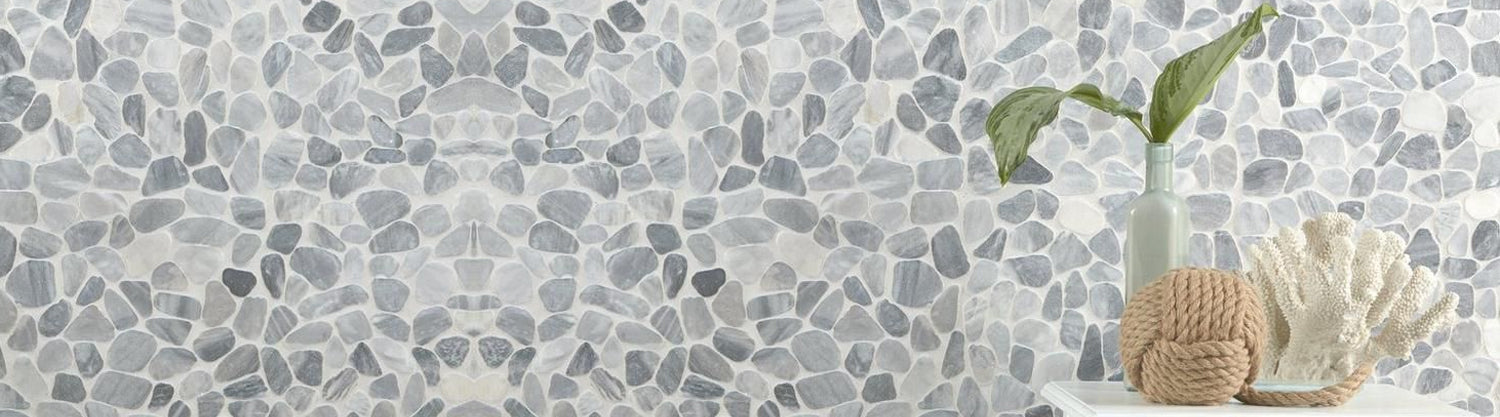
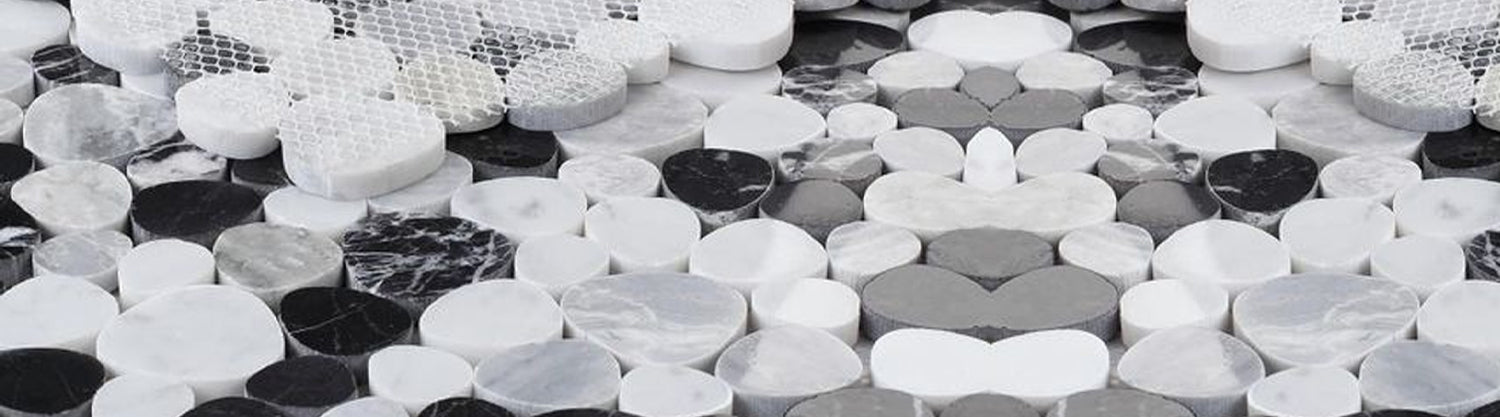
Mosaic tiles are a favorite for walk-in shower floors for one big reason: they handle the slope toward the drain beautifully. Because mosaics are made of smaller pieces, they can follow the floor pitch without awkward lippage or uneven edges.
Where mosaics shine:
- Shower floors (especially curbless or low-threshold showers)
- Niches and inset shelves
- Accent strips or feature bands (when used thoughtfully)
For the most cohesive look, pair a mosaic floor with larger wall tile in a matching tone or complementary texture.
Walk-In Shower Tile Color Ideas That Actually Work
Color is what sets the mood in a walk-in shower. The right palette can make a small bathroom feel bigger, a plain shower feel elevated, or a modern space feel warm and welcoming.
Light & Neutral Tiles for Small Bathrooms
Light tiles are a go-to for a reason. They reflect more light, make walls feel farther away, and keep the shower looking open and airy.
Best neutral directions: warm whites, soft greige, pale beige, light grey, or creamy stone-inspired tones.
How to avoid the “too plain” look:
- Choose tile with texture—think subtle ripples, handmade-style edges, or stone-look variation.
- Use a gentle grout contrast (not stark black, unless your style is very modern).
- Add interest through layout—vertical stack, herringbone, or a niche in a slightly different finish.
Dark Tile Showers — Bold but Balanced
Dark showers can look incredibly luxurious, especially in modern bathrooms. The trick is balance. If everything is dark with no contrast, the space can feel heavy or cave-like—especially if your bathroom doesn’t get much natural light.
Dark color options that feel intentional: charcoal, deep navy, forest green, warm black, or dark slate tones.
Tips to make dark tile work:
- Use good lighting—both overhead and in the shower if possible.
- Consider a matte finish for a soft, high-end look (and fewer water spot highlights).
- Bring in contrast through fixtures, glass, or lighter flooring outside the shower.
Natural Stone & Earthy Color Palettes
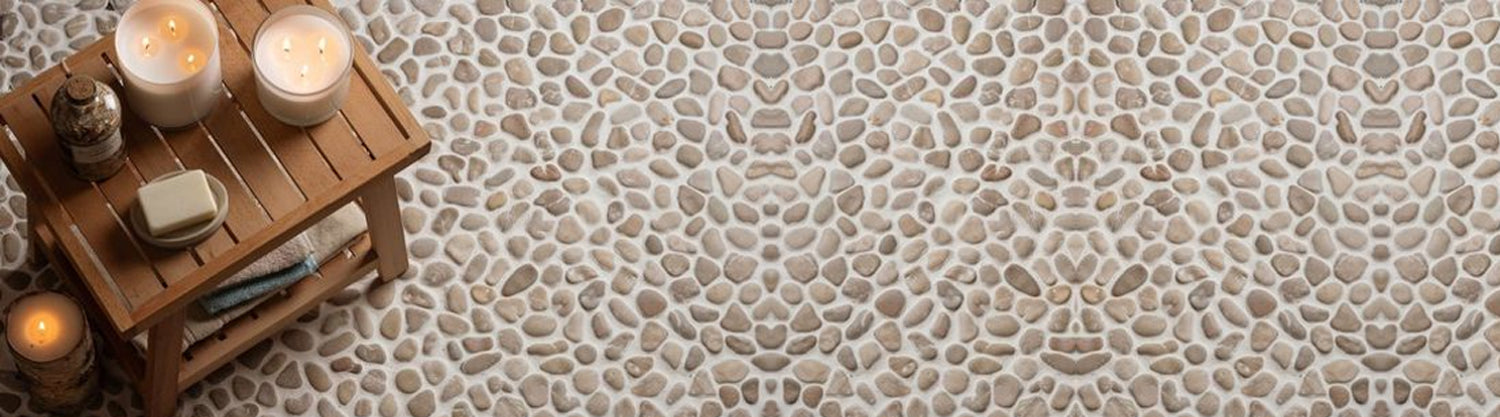
If you want your shower to feel calm and spa-like, earthy tones are a strong direction. Many homeowners love the look of natural stone, but porcelain stone-look tile is often easier to maintain while still delivering that organic feel.
Earthy tones that create a relaxing shower: sand, taupe, warm grey, soft terracotta, and muted olive shades.
To keep the look cohesive, repeat the same undertone across your bathroom—tile, vanity, and accents should feel like they belong together, even if they aren’t perfectly matched.
Walk-In Shower Tile Layouts That Elevate the Space
Layout is where a good tile choice becomes a great one. Even a simple tile can look high-end if you install it thoughtfully.
Vertical Tile Layouts for Added Height
Vertical layouts naturally draw the eye upward, making ceilings feel taller. This is especially helpful in smaller bathrooms or older homes where ceiling height is limited.
Best tiles for vertical layouts: subway tile, elongated rectangles, or slim stacked patterns.
When to choose vertical: If your shower feels short, boxed-in, or you want a more modern, tailored look.
Horizontal Layouts for a Clean, Contemporary Feel
Horizontal layouts are calm and clean. They make showers feel wider, which can be helpful if your shower is narrow or your bathroom layout feels tight.
Pro tip: If you’re using a long rectangular tile, a horizontal stacked layout can look very modern with minimal fuss.
Feature Walls & Accent Zones
A feature wall is one of the easiest ways to make walk-in showers feel designed. The best feature walls feel purposeful, not random—like they were planned from the beginning.
Feature wall options that look polished:
- A herringbone pattern on the back wall
- A bold color tile behind the shower fixtures
- A textured tile wall paired with smooth tile on the other sides
- A niche area tiled in a different finish or mosaic
Keep it controlled: Limit accents to one main area. Too many accents can make the shower feel busy.
Floor-to-Ceiling Tile Continuity
Tiling all the way to the ceiling creates a seamless, upscale look. It also helps protect the walls from moisture and makes the shower feel complete—especially in walk-in designs with glass panels.
Why it works: It removes awkward stopping points, makes the room feel taller, and gives a “built-in” finish.
If your bathroom has lower ceilings, ceiling-height tile can still look great—just choose a layout that doesn’t visually chop the space.
Choosing the Right Tile Finish for a Walk-In Shower
Finish matters more than many people expect. It affects slip resistance, cleaning effort, and the overall vibe of your bathroom.
- Matte finishes: Popular for modern bathrooms, often better at hiding water spots, and can feel softer and more natural.
- Glossy finishes: Reflect light and can make smaller showers feel brighter, but may show water marks more easily.
- Textured finishes: Great for adding depth and grip, especially in feature areas, but can require a bit more attention when cleaning.
For shower floors, prioritize slip resistance and comfort underfoot. For walls, you have more freedom to choose based on style.
Practical Tips Before Finalizing Your Walk-In Shower Tile
Before you commit, a few small choices can make a big difference in how your shower looks and feels long-term.
- Choose grout with intention: Matching grout looks seamless; contrasting grout highlights pattern and shape.
- Test in real lighting: Tile can look totally different under warm bulbs vs daylight.
- Think about daily cleaning: Very bright white grout may need more upkeep in high-use showers.
- Plan your niche: Decide niche placement early so tile cuts look clean and balanced.
- Match floor function to design: A beautiful floor tile isn’t worth it if it feels slippery.
Walk-In Shower Tile Ideas by Bathroom Style
If you already know your bathroom style, choosing tile becomes much easier. Here are reliable directions that consistently look good.
Modern & Minimal Bathrooms
Modern showers often lean on clean lines, fewer visual breaks, and large-format tile for a sleek finish. Think stacked layouts, soft neutrals, and subtle texture over busy patterns.
Spa-Inspired Retreats
Spa-style showers feel calming and grounded. Stone-look porcelain, warm neutrals, and natural textures are perfect here. Pair a mosaic floor with larger wall tile to keep the look refined and relaxing.
Transitional & Timeless Designs
Transitional style blends classic and current. Subway tile, marble-look porcelain, and soft grey or beige palettes work beautifully. Add interest with a feature niche or a gentle pattern—nothing too loud.
Common Walk-In Shower Tile Mistakes to Avoid
Even great tile can fall flat if the details aren’t thought through. Avoid these common missteps:
- Using large tiles on the shower floor: They don’t always follow the slope well and can feel slippery.
- Choosing high-contrast grout without a plan: It can overpower the space if everything is outlined.
- Overdesigning a small shower: Too many patterns and accents can make the shower feel busy.
- Ignoring maintenance: Some finishes and grout colors will ask more of you—be realistic.
Conclusion — Finding Walk-In Shower Tile Ideas That Fit Your Space
The best walk in shower tile ideas aren’t just about what’s trending—they’re about what fits your bathroom, your lifestyle, and the look you want to live with every day. Start with function (especially for shower floors), then build your design through pattern, color, and layout choices that feel balanced and intentional.
If you’re ready to turn inspiration into a finished shower you’ll love, explore TileHub’s tile collections to compare colors, finishes, and styles that work beautifully in walk-in showers. With the right combination, your shower can feel both practical and truly elevated—without feeling overdone.