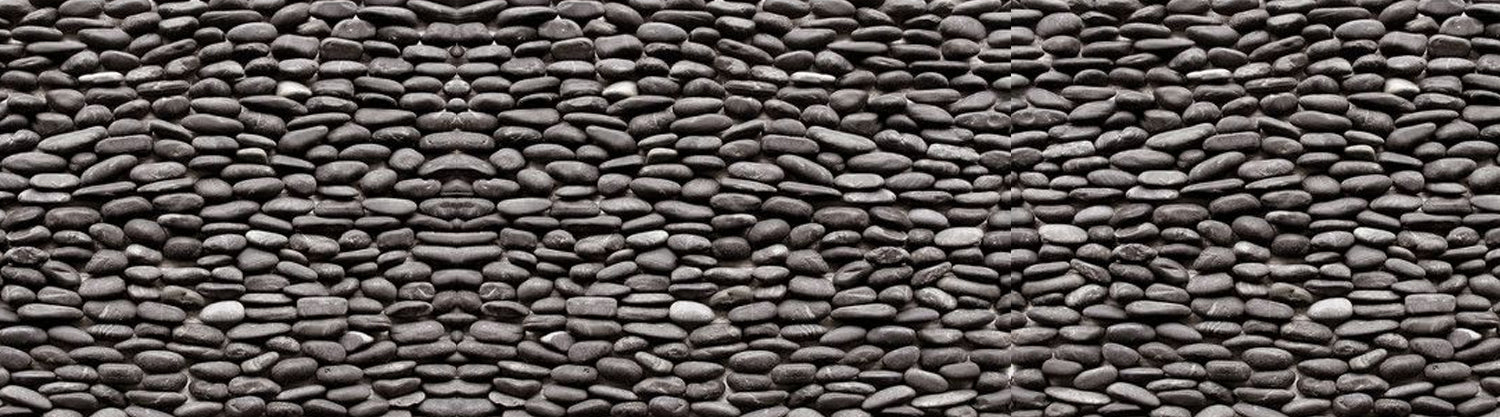

Everything you need to choose shower wall tile with confidence — from material performance and waterproofing requirements to cost, maintenance, design trends, and the tile types that hold up year after year in real American bathrooms.
The best tiles for shower walls in 2026 are: porcelain (top choice for durability and low maintenance), glazed ceramic (best budget option), natural stone (marble, travertine — best for luxury look), glass tile (best for light and visual impact), and stone mosaic (best for feature walls and niches).
The single most important factor is not which tile you choose — it's whether a proper waterproofing membrane is installed behind it. Even the best tile will fail in a shower without correct substrate preparation and waterproofing. Tile is water-resistant; the membrane is what makes the system waterproof.
Choosing the right tile for your shower walls feels straightforward until you're standing in front of hundreds of options and realizing that terms like "water-resistant," "impervious," "vitreous," and "glazed" actually mean very different things — and the wrong choice can lead to cracked grout, mold behind your walls, or a costly renovation do-over within a few years.
We've helped American homeowners navigate exactly this decision, and the reality is that shower wall tile selection comes down to five factors: water performance, durability, maintenance requirements, design flexibility, and budget. Get those five things aligned with your specific priorities and lifestyle, and the choice becomes much clearer. This guide walks through every tile type, every key consideration, and the design directions defining American shower renovations in 2026 — so you can make the decision with real confidence, not just a guess.
📊 What American Homeowners Are Spending: The average cost to tile a shower is $2,700, with most projects ranging from $1,800 to $5,000+ depending on tile choice, shower size, and labor per Angi's 2026 data. Tile material costs for shower walls range from $3–$50+ per square foot depending on type. The NKBA's 2024 Design Trends Report found that 68% of bathroom remodelers prioritized a spa-like atmosphere — with natural stone and large-format tile as the leading material choices for achieving it.
What's in This Guide
- What Shower Wall Tile Actually Needs to Do
- The 6 Best Tile Types for Shower Walls
- Full Head-to-Head Comparison
- Best Tile Sizes for Shower Walls
- 2026 Shower Wall Tile Trends
- Design Tips: Feature Walls, Niches & Mixing
- Maintenance by Tile Type
- 5 Costly Mistakes When Choosing Shower Wall Tile
- Frequently Asked Questions
- Conclusion
What Shower Wall Tile Actually Needs to Do
Before diving into tile types, it's worth understanding the technical demands that a shower wall places on any material installed there. Unlike a kitchen backsplash or bathroom floor, shower walls face a uniquely demanding environment: daily moisture exposure, steam, temperature cycling, cleaning chemicals, and the structural stress of a wall assembly that expands and contracts year-round. Your tile needs to perform against all of it — reliably, for decades.
Water Resistance vs. Waterproofing: The Distinction That Matters
One of the most common and costly misconceptions in shower tile selection is assuming that "water-resistant tile" means a waterproof shower. It doesn't. No tile type is inherently waterproof on its own — not even dense porcelain. All tile assemblies, regardless of how dense or impervious the tile itself is, rely on the substrate and waterproofing membrane behind the tile to prevent moisture from reaching the wall framing.
What the tile's density and water absorption rate actually controls is how much moisture passes through the tile body and reaches the membrane. A denser, lower-absorption tile (porcelain with <0.5% water absorption) passes less moisture through, which means your membrane does less work and lasts longer. A more porous tile (natural stone, lower-density ceramic) passes more moisture, which means the membrane must be flawless to compensate. This is why proper waterproofing is always the non-negotiable first requirement of any shower wall installation — before a single tile is discussed. To understand the full installation process, our guide on how to tile a shower step by step covers waterproofing in detail.
Key Performance Requirements for Shower Wall Tile
- Moisture resistance: The tile surface must resist water penetration at the glaze or body level
- Durability: Must withstand daily use, cleaning products, and temperature cycling without chipping, cracking, or fading
- Mold and mildew resistance: Non-porous or sealed surfaces that don't harbor organic growth
- Cleanability: Smooth or textured surfaces that can be effectively cleaned with standard bathroom products
- Adhesion compatibility: Must bond correctly with polymer-modified thinset and the substrate being used
- Visual appeal: Complements your bathroom's design language and holds its appearance over time
✔ Note on Slip Resistance: For shower walls (not floors), slip resistance is not a technical requirement — wall tile doesn't need to meet DCOF (Dynamic Coefficient of Friction) standards. This opens up a much wider range of finishes and textures than are appropriate for shower floors, including polished marble, glossy ceramics, and smooth glass tile. Save the slip-resistance calculations for your shower floor selection.
The 6 Best Tile Types for Shower Walls
1. Porcelain Tile
The industry standard for shower walls. Made from fine, dense clay fired at extremely high temperatures, porcelain achieves a water absorption rate below 0.5% — making it the most moisture-resistant tile type available. Available in virtually unlimited sizes, colors, and finishes, including hyper-realistic stone, wood, and concrete looks.
Cost: $4–$20 per sq ft (material) · Maintenance: Very low · Durability: Excellent
2. Glazed Ceramic Tile
The most affordable shower wall option that still performs reliably when properly installed with a waterproofing membrane. The glaze surface is water-resistant; the clay body beneath is more porous than porcelain, making the membrane even more critical. Available in a massive range of colors, formats, and finishes.
Cost: $2–$10 per sq ft (material) · Maintenance: Low · Durability: Good
3. Natural Stone (Marble, Travertine, Slate)
The most beautiful shower wall material — genuine organic character that no manufactured tile fully replicates. Requires annual sealing and stone-safe cleaning products. Marble and travertine are porous and must be installed over a high-quality waterproofing membrane with proper sealing before and after grouting.
Cost: $8–$50 per sq ft (material) · Maintenance: High · Durability: Good (with care)
4. Glass Tile
Non-porous, naturally resistant to mold and mildew, and exceptional at reflecting light — making small showers feel considerably larger and more luminous. Best used as an accent, feature wall, or niche lining rather than full shower surround coverage. Requires meticulous adhesive application as imperfections show through the glass face.
Cost: $7–$30 per sq ft (material) · Maintenance: Low · Durability: Good
5. Stone Mosaic Tile
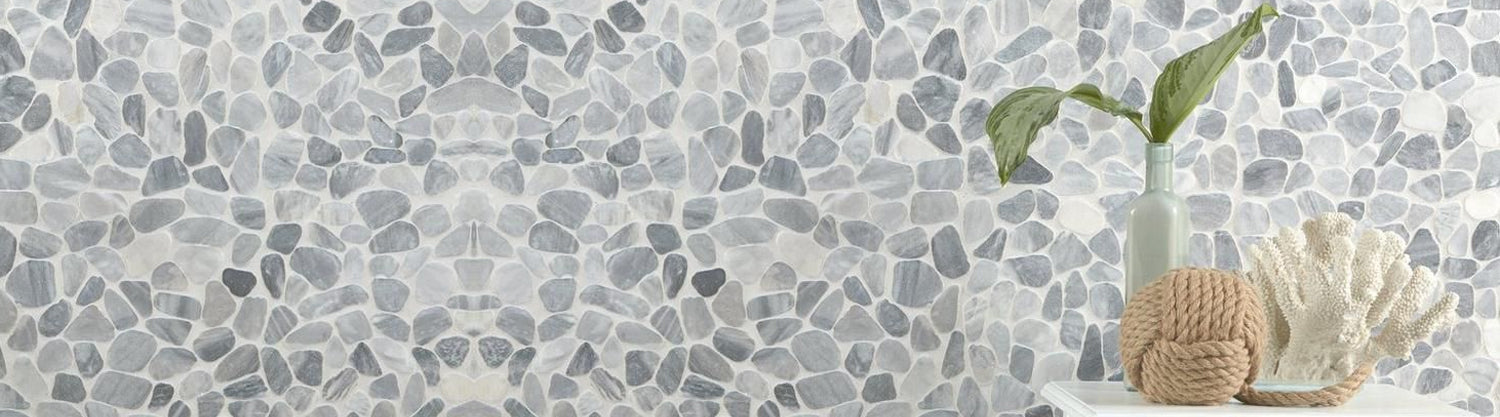
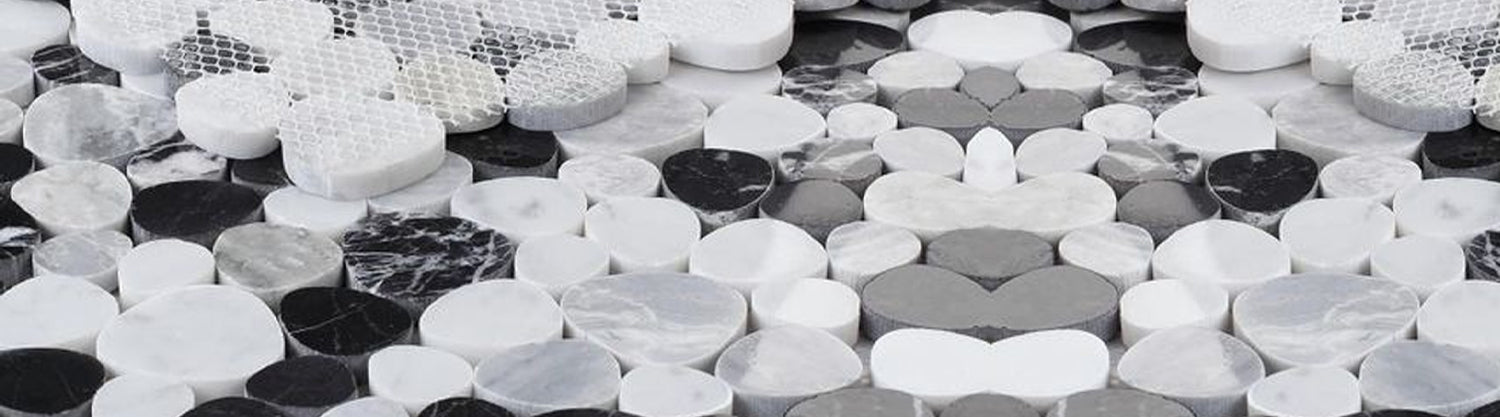
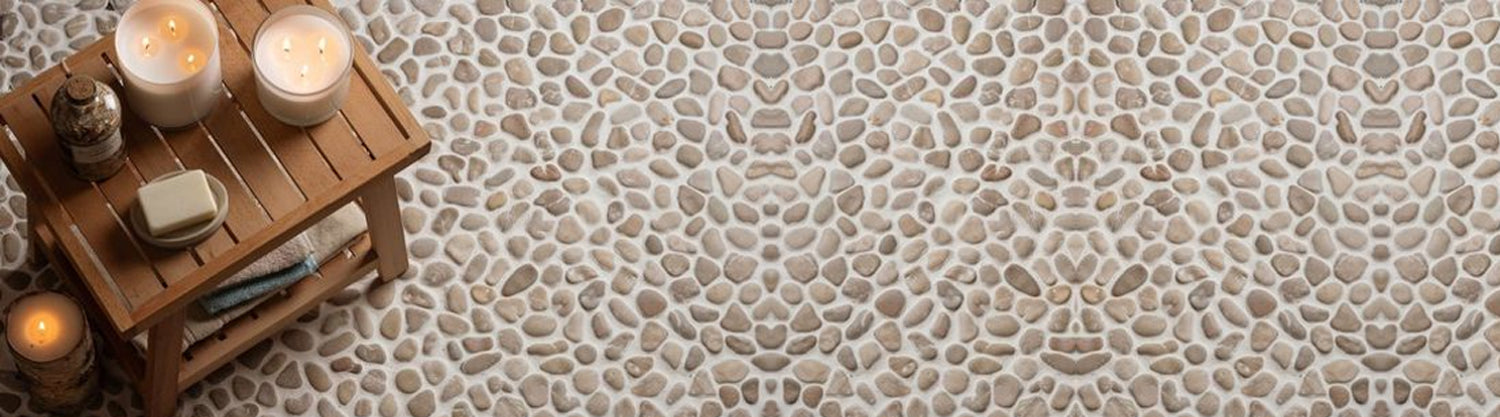
Small natural stone pieces — herringbone, hexagon, linear strip, or free-form pebble — mounted on mesh backing. Extraordinary design impact on feature walls, shower niches, and accent strips. The mesh backing makes installation manageable, and the small format creates a richly textured surface. Requires sealing like all natural stone.
Cost: $8–$35 per sq ft (material) · Maintenance: Medium · Durability: Excellent
6. Large-Format Porcelain Panels
The premium contemporary option — oversized porcelain slabs (24"×48" and larger) that cover shower walls with minimal grout lines for a seamless, spa-like appearance. Requires a perfectly flat substrate and professional installation. The near-absence of grout lines dramatically reduces cleaning time and eliminates the main mold risk in shower walls.
Cost: $15–$45 per sq ft (material) · Maintenance: Very low · Durability: Excellent
Porcelain Tile: The Clear Front-Runner
If you want one clear recommendation for shower walls without further qualifiers, it's porcelain. Full stop. Its combination of near-zero water absorption, exceptional hardness, design versatility, and manageable maintenance makes it the right choice for the widest range of homeowners and budgets. Understanding why requires a quick look at what makes porcelain different.
Porcelain is manufactured from finer, purer clay mixtures fired at temperatures between 2,200–2,300°F — significantly higher than standard ceramic. This firing process produces a denser, harder tile with a water absorption rate below 0.5%. For shower walls, this near-impermeability means very little moisture passes through the tile body to reach the membrane behind it, reducing the long-term stress on your waterproofing and dramatically lowering the risk of moisture damage if any micro-cracks develop in grout over time.
Modern digital printing technology allows porcelain to convincingly replicate the look of marble, travertine, slate, concrete, wood, and virtually any natural material — at a fraction of the cost and with none of the maintenance demands. If you've ever seen a porcelain tile bathroom that looked like genuine marble and been surprised to learn it was porcelain, that's the technology at work. Learn more about how it compares in our marble vs porcelain tile guide.
✔ Pros of Porcelain
- Water absorption <0.5% — near-impervious to moisture
- Extremely durable — chip and scratch resistant
- Available in every size, finish, and aesthetic
- Very low maintenance — no sealing required
- Wide price range — accessible to most budgets
- Frost-resistant for cold climates
- Can mimic stone, wood, concrete convincingly
✖ Cons of Porcelain
- Harder to cut than ceramic — needs a quality wet saw
- Heavier than ceramic — substrate must be solid
- Large-format needs very flat substrate
- Higher material cost than standard ceramic
- Through-body color only on unglazed versions
For walk-in shower tile ideas that showcase porcelain's full range, our walk-in shower tile guide is an excellent next read. And if you're weighing up specific material comparisons for your bathroom project, our detailed guide to porcelain vs ceramic vs natural stone shower tile breaks down every performance factor side by side.
Glazed Ceramic: The Smart Budget Choice
Glazed ceramic tile gets underestimated in shower wall conversations, and it shouldn't be. For budget-conscious bathroom renovations — or for a homeowner who wants to spend their tile budget on a beautiful feature wall or premium floor and keep the field tile cost-efficient — properly installed glazed ceramic performs reliably for decades on shower walls.
The key phrase is "properly installed." Ceramic's clay body absorbs more moisture than porcelain (typically 3–7% water absorption for standard ceramic versus porcelain's <0.5%). On a shower wall, this means the waterproofing membrane does more of the heavy lifting. Install ceramic over a quality waterproofing membrane — Schluter-Kerdi, RedGard, or equivalent — and the moisture that penetrates the tile body gets stopped at the membrane level, not the framing. The system works; it just requires the membrane to be excellent.
Glazed ceramic comes in an enormous variety of formats — classic 3×6 subway, 4×4 field tile, hexagon, decorative patterns, and more — and is considerably easier to cut than porcelain, making it an accessible DIY option. For practical ceramic-specific ideas, our ceramic subway tile ideas guide covers the most popular formats and layouts.
Natural Stone: Marble, Travertine & Slate
Natural stone shower walls are the most beautiful option in this entire guide — and the most demanding to maintain. Whether it's the bold grey veining of Calacatta marble, the warm earthy tones of travertine, or the organic variation of slate, real stone delivers an organic beauty and tactile quality that no manufactured tile fully replicates. This is why it commands premium prices and why it remains one of the most sought-after shower wall materials in luxury American home renovations in 2026.
Marble shower walls in particular are experiencing a significant design revival in 2026 according to multiple US interior design trend reports. Specific varieties driving demand include Calacatta Gold, Carrara White, Thassos White, and Crema Marfil — each offering a distinctive veining character and tonal quality. Our guide to Calacatta marble mosaic tiles explores this look in depth.
The honest truth about natural stone in showers: it requires annual sealing, stone-safe pH-neutral cleaning products, and immediate attention to any grout cracks or seal failures. Modern long-lasting stone sealers (some rated for up to 15 years) have significantly reduced the maintenance burden, but the commitment remains. For homeowners who understand this tradeoff and are prepared to maintain the material, natural stone delivers a shower experience that genuinely feels like a private spa. Our in-depth resource on natural stone bathroom tiles covers every material type and their specific shower applications.
✔ Pros of Natural Stone
- Genuinely beautiful — no manufactured tile replicates it
- Every installation is unique — organic variation
- Significant home value premium
- Long-lasting when properly maintained
- Wide variety of stone types, tones, and finishes
✖ Cons of Natural Stone
- Requires annual sealing in wet applications
- Only pH-neutral stone-safe cleaners — no vinegar/bleach
- Higher material cost than ceramic and many porcelains
- Professional installation strongly recommended
- Grout failure more critical — moisture penetrates stone body
Glass Tile: Light, Luminosity & Modern Impact
Glass tile occupies a unique category on shower walls: it's non-porous (zero water absorption), naturally resistant to mold and mildew, and exceptional at reflecting and amplifying light. In a small shower or a bathroom with limited natural light, a glass tile feature wall can transform the atmosphere of the space — creating luminosity and visual depth that other tile types simply can't achieve.
The practical reality: glass tile requires more skill to install correctly than ceramic or porcelain. Because glass is translucent, any imperfection in the adhesive application beneath the tile — an air bubble, an uneven trowel ridge, a slightly different adhesive color — can show through the tile face. Use white thinset adhesive exclusively, back-butter every tile meticulously, and achieve 95%+ thinset coverage. For this reason, professional installation is strongly recommended for glass tile shower walls. Our full resource on glass tile for showers covers the technical requirements in detail.
Glass tile also shows water spots more readily than matte or textured surfaces — regular squeegee use after showering helps maintain its luminous appearance. Used thoughtfully — as a feature wall, a niche lining, an accent strip, or a full walk-in shower ceiling — glass tile creates some of the most striking shower designs in contemporary American renovation. Our glass tile bathroom ideas guide showcases the full design range.
Stone Mosaic Tile: The Feature Wall Specialist
Stone mosaic tile — natural stone pieces mounted on mesh backing in herringbone, hexagon, linear, or free-form arrangements — brings something to shower walls that large-format tile fundamentally cannot: intimate, handcrafted texture and the organic richness of natural stone at a scale that lets you appreciate every individual piece. When you walk into a shower with a stone mosaic feature wall, you feel the difference before you've consciously registered what's different about it.
For shower walls specifically, stone mosaics are most powerfully used as feature walls (the back wall of the shower visible from the bathroom), niche liners, accent strips at eye level, and ceiling panels in luxurious walk-in showers. Herringbone stone mosaic tiles on a shower feature wall paired with a simple large-format porcelain on the remaining walls is one of the most consistently beautiful shower designs in current US residential renovation. Similarly, Calacatta marble mosaic tiles used inside a shower niche or as a ceiling panel create a jewel-box quality that genuinely photographs like a high-end hotel bathroom.
Installation requires the same waterproofing and sealing protocol as all natural stone — seal before grouting, seal after grouting, re-seal annually. The mesh backing simplifies alignment and ensures consistent joint spacing. For practical installation guidance, see our step-by-step how to tile a shower guide.
Full Head-to-Head Comparison
| Tile Type | Water Absorption | Wall Use | Maintenance | Material Cost (sq ft) | Best For |
|---|---|---|---|---|---|
| Porcelain | <0.5% (impervious) | Excellent | Very Low | $4–$20 | All-around best wall tile |
| Glazed Ceramic | 3–7% (semi-vitreous) | Very Good | Low | $2–$10 | Budget-conscious renovations |
| Marble | 0.5–1.5% (varies) | Excellent (sealed) | High — annual seal | $8–$50 | Luxury look, home value |
| Travertine | 1–3% (porous) | Good (sealed) | High — annual seal | $5–$25 | Warm, earthy spa aesthetic |
| Glass Tile | 0% (non-porous) | Excellent | Low (shows water spots) | $7–$30 | Light, accent walls, niches |
| Stone Mosaic | Varies by stone type | Excellent | Medium — seal required | $8–$35 | Feature walls, niches, accents |
| Large-Format Porcelain Panel | <0.5% (impervious) | Excellent | Very Low | $15–$45 | Minimal grout, modern spa look |
Best Tile Sizes for Shower Walls
Tile size affects everything — how spacious the shower feels, how much grout maintenance you're signing up for, how long installation takes, and the overall visual character of the finished space. Here's a practical breakdown of the most popular shower wall tile sizes and what each achieves.
Small Format (2"×2" to 4"×4")
Classic small-format tiles and mosaics create rich, detailed surfaces with a handcrafted quality. The high density of grout joints adds visual texture but also means more grout to clean. Best used as feature wall tiles, niche liners, and accent strips rather than full shower wall coverage. Herringbone stone mosaics at this scale create some of the most beautiful shower feature walls in current American bathroom design.
Subway Format (3"×6", 4"×8", 4"×12")
The most enduringly popular shower wall tile format in the US. The classic 3×6 subway has been used in American shower walls since the early 20th century and remains among the top-selling shower wall formats for good reason — it's versatile, accessible, compatible with every design style, and available in ceramic, porcelain, glass, and natural stone. Larger subway formats (4×12 and above) give a more contemporary feel with fewer grout lines. Our comprehensive guide covers bathroom subway tile designs that never go out of style in detail.
Medium Format (6"×6" to 12"×12")
A versatile midrange format that suits both traditional and contemporary shower designs. Square tiles in this range are among the most neutral and easily matched across different bathroom styles. Our dedicated guide to 6×6 tiles explores this format specifically.
Large Format (12"×24" to 24"×48"+)
The dominant contemporary shower wall choice for homeowners who want a clean, seamless, spa-like appearance. Fewer grout joints means less cleaning, less visible visual "grid" on the wall, and a more expansive feel. Large-format tile on shower walls requires a perfectly flat substrate, professional installation, and back-buttering technique to ensure full thinset coverage. The visual payoff — a shower wall that appears to flow as one continuous surface — is the defining aesthetic of high-end bathroom renovation in 2026.
✔ The Scale Rule: In small showers (under 36"×36"), very large tiles can make the space feel smaller by creating an awkward relationship between tile scale and room scale. In these spaces, medium-format tiles (6×12, 12×12) or classic subway proportions are usually more successful. Save the large-format statement panels for walk-in showers where the tile scale can breathe properly.
2026 Shower Wall Tile Trends: What American Homeowners Are Choosing
Understanding where design is heading helps you make a choice that feels current today and holds up visually for the next decade. Here are the dominant shower wall tile design directions defining American bathroom renovation in 2026.
Tile Drenching — Floor-to-Ceiling, Wall-to-Wall
Running the same tile continuously across the shower floor, walls, and ceiling to create an immersive, cocoon-like spa environment. Especially effective with earthy, natural-toned porcelain or natural stone. The continuous material eliminates visual interruptions and makes any shower feel intentional and luxurious. For shower tile ideas on how to carry this look through an entire space, our shower tile ideas guide has real examples.
Natural Stone Revival — Marble Leads, Travertine Close Behind
Multiple 2026 design trend reports confirm a strong revival of genuine natural stone on shower walls — particularly Calacatta and Carrara marble. The movement away from cool grey to warm, organic materials is driving demand for stone that feels connected to the natural world. Explore our 2025 tile guide on marble vs porcelain to understand the practical tradeoffs before committing.
Warm Earthy Palettes — From Cool Grey to Organic Warmth
The dominance of cool grey and stark white in American bathroom design is giving way to warmer, earthier palettes — warm taupe, sandy beige, soft terracotta, dusty amber, muted sage. These tones pair beautifully with brass and bronze fixtures, warm wood vanities, and the organic accessories defining the biophilic bathroom aesthetic in 2026. Our modern bathroom tile trends guide tracks this shift in detail.
Textured & 3D Surfaces — Fluted, Ribbed, Sculptural
Flat, uniformly glossy shower walls are yielding to tiles with physical depth — fluted (vertical ridged), rippled wave surfaces, and sculptural 3D relief patterns. These textures catch light differently throughout the day, creating walls that feel alive and dynamic. They also tend to hide water spots and soap residue far better than flat high-gloss surfaces.
Zellige & Handcrafted Tile — Artisan Character
Zellige-inspired tiles — handmade Moroccan-style glazed ceramics with slight surface variation, color depth, and that unmistakable artisan quality — are one of the strongest rising trends in 2026 American bathroom design. Each tile varies slightly from its neighbor, creating walls with genuine character that manufactured tile can approach but never fully replicate. They suit contemporary, eclectic, and maximalist bathroom designs equally.
Green & Blue — Colour Statement Shower Walls
Bold colour in the shower — deep emerald green, moody navy, sage green, ocean blue — is one of the most visible shower design trends of 2026. A single colour-statement shower wall in a richly glazed ceramic or natural stone creates a focal point of genuine drama. Our dedicated guides on green shower tile styles and blue shower tile ideas explore the full range of colours and how to pull each off successfully.
Herringbone on Shower Feature Walls
The herringbone pattern — one of the most enduringly popular tile layouts in American design — is at the height of its popularity on shower feature walls in 2026. Stone herringbone mosaics on the back wall of a shower, paired with complementary large-format tile on the surrounding walls, creates the kind of layered, considered design that distinguishes a truly beautiful bathroom from a standard one. Our detailed breakdown in top herringbone tile pattern ideas covers layouts, scale, and installation approach.
Design Tips: Feature Walls, Niches & Mixing Tile Types
The Feature Wall Principle
The single most effective design move in shower wall tile selection is the feature wall: using a premium or patterned tile on one prominent wall (typically the back wall, visible from the bathroom) and a simpler, complementary tile on the remaining walls. This approach delivers maximum visual impact at controlled cost — you're buying two to three times less of your premium tile than a full surround would require, while still defining the character of the shower. A herringbone stone mosaic tile back wall, a Calacatta marble mosaic feature panel, or a glass tile accent wall against a simple porcelain field — all of these work on this same principle.
Shower Niches: The Jewel-Box Moment
Shower niches — the recessed storage shelves built into shower walls — are one of the most underutilised design opportunities in bathroom renovation. Using a different, more special tile inside the niche than on the surrounding walls (a mosaic, a contrasting colour, a glass tile) turns functional storage into a genuine design feature. A shower niche lined with moon stone mosaic tiles or a hexagon mosaic creates a moment of discovery — a small space of disproportionate beauty that changes how the whole shower reads. For proper niche waterproofing requirements, always reference our tiling guide.
Mixing Tile Types Successfully
Two rules govern successful tile mixing in a shower: keep the colour palette consistent (2–3 tones maximum across all tiles in the space) and vary the texture or pattern, not the colour. A cream herringbone stone mosaic feature wall works next to a cream large-format porcelain field tile because the tonal relationship is harmonious — the pattern creates the contrast, not a colour clash. A charcoal hexagon stone mosaic floor works beneath grey large-format porcelain shower walls for the same reason. Mixing tiles in conflicting colour families in a small shower creates visual noise rather than interest.
Vertical vs. Horizontal Tile Orientation
Tile orientation subtly but meaningfully affects how a shower feels. Horizontal installation creates a sense of width. Vertical installation creates height — particularly valuable in bathrooms with lower ceilings, where running subway tile vertically from floor to ceiling makes the shower feel taller and more open. Our guide on vertical subway tile shower designs explores this approach with real examples and expert insight.
Shower Wall Tile Maintenance by Type
The maintenance commitment varies significantly between tile types, and it's worth understanding what you're signing up for before you commit to a material.
Porcelain and Ceramic
The most maintenance-free shower wall tile options. Glazed surfaces resist staining and don't require sealing. Regular cleaning with a pH-neutral bathroom cleaner and a soft sponge or cloth is all that's needed. Grout lines — not the tile itself — are the primary maintenance point. Seal cement grout before the shower's first use and annually thereafter. Epoxy grout eliminates this step entirely. Our detailed guide to cleaning shower tiles like a pro covers specific products and techniques for porcelain and ceramic.
Natural Stone
Requires the most consistent maintenance of any shower wall tile. Apply a penetrating impregnating stone sealer before grouting (critical — prevents grout permanently staining porous stone). Re-seal annually in shower applications — the water bead test tells you when sealing is needed. Use only pH-neutral, stone-safe cleaning products — vinegar, bleach, standard bathroom tile sprays, and citrus-based cleaners will etch and dull marble and travertine over time. Our marble tile cleaning guide covers the do's and don'ts in full detail.
Glass Tile
The simplest tile surface to clean — a non-porous material that resists staining, mold, and mildew without any sealing. Regular wiping with a soft cloth and mild cleaner keeps glass tile surfaces pristine. The main maintenance consideration: glass shows water spots more readily than matte surfaces. Using a squeegee on glass tile shower walls after each use takes 20 seconds and eliminates virtually all routine cleaning effort. Learn more in our tile maintenance and sealers guide.
Stone Mosaic
Stone mosaic maintenance follows the same principles as other natural stone — seal before grouting, re-seal annually, use stone-safe cleaning products. The additional consideration with mosaics: the higher grout joint density means more grout surface to maintain. Epoxy grout for the shower floor and a quality sanded cement grout with proper sealing on mosaic walls significantly reduces mold risk and cleaning frequency.
5 Costly Mistakes When Choosing Shower Wall Tile
These are the decisions that create regret — some immediately, some only years later when the consequences emerge.
1. Choosing tile before confirming waterproofing. The most expensive mistake in the category. Beautiful tile installed over inadequate waterproofing will cause water damage, mold, structural rot, and ultimately a complete redo of the entire installation. Always confirm your waterproofing system and substrate before tile selection. Our how to tile a shower guide walks through the full waterproofing sequence.
2. Choosing a tile that's right for the floor but wrong for the wall. Floor tiles and wall tiles have different technical requirements. Floor tiles must meet slip-resistance standards; wall tiles don't need to but must be appropriate for vertical adhesion. Large, heavy tiles on walls require the correct thinset and substrate. Always confirm with your tile supplier that your chosen tile is rated for wall use in wet areas.
3. Ignoring grout joint width when choosing tile size. The grout joint width you choose significantly affects how a tile installation looks and how much maintenance it requires. Rectified tiles (machine-cut to precise dimensions after firing) can be installed with very tight grout joints (1/16"). Non-rectified tiles need wider joints to accommodate dimensional variation. Large-format tiles with narrow grout joints look cleaner and require less grout maintenance than the same tiles with wide, dark grout lines.
4. Not ordering enough tile. Always order your measured square footage plus 15% overage minimum. Natural stone tiles from a single production lot are unique — if you run short and reorder, the new lot may not match. Running short mid-project is one of the most avoidable renovation headaches, and it has caused many homeowners to accept a mismatched repair tile rather than redo an area.
5. Choosing tile for the store, not for the shower. Tile looks different under showroom lighting than it does in your specific bathroom under your specific lighting conditions — natural vs. artificial, the colour of your walls and fixtures, the size of your space. Always order samples and live with them in the actual bathroom before committing to a full order. This step costs very little and prevents a great deal of expensive regret.
Frequently Asked Questions
What is the best tile for shower walls?
For most American homeowners, porcelain tile is the best all-around choice for shower walls — it combines near-zero water absorption (<0.5%), exceptional durability, very low maintenance, and an enormous range of sizes, finishes, and aesthetic options at a wide range of price points. For luxury applications where budget allows, natural stone (marble, travertine) delivers beauty that no manufactured tile fully replicates. For budget renovations, glazed ceramic properly installed over a waterproofing membrane performs reliably. The "best" tile depends on your priorities — performance, budget, aesthetics, and maintenance tolerance.
Does shower wall tile need to be waterproof?
Technically, it needs to be water-resistant — and the system it's installed in needs to be waterproof. All tile is water-resistant to varying degrees, but no tile is inherently waterproof on its own. The waterproofing membrane installed behind the tile is what actually prevents moisture from reaching the wall framing. Denser, lower-absorption tiles (porcelain) work better in shower walls because less moisture passes through the tile body to the membrane. But regardless of how dense the tile is, a proper waterproofing membrane behind it is non-negotiable in any shower application.
How do I choose between porcelain and natural stone for my shower walls?
The decision comes down to three factors: maintenance commitment, budget, and aesthetic priority. Porcelain wins on maintenance (requires none), budget (lower cost), and reliability (outperforms stone in wet environments without special care). Natural stone wins on authenticity of beauty, organic character, and perceived home value premium. If you want a low-maintenance, high-performing shower with a beautiful finish, choose a quality marble-look or stone-look porcelain — the gap in appearance has narrowed dramatically with modern digital printing. If you want genuine natural stone and are willing to seal annually and use stone-safe cleaners, natural stone is an extraordinary investment. Our marble vs porcelain tile comparison covers every factor in detail.
What size tile is best for shower walls?
It depends on your shower size and desired aesthetic. For small showers (under 36"×36"), medium-format tiles (4×8, 4×12, 6×12) and classic subway proportions work better than very large tiles, which can feel disproportionate. For standard and large walk-in showers, large-format tiles (12×24, 24×24, 24×48) create a clean, spa-like appearance with minimal grout lines — the dominant contemporary choice. For feature walls and niches in any shower size, mosaics and herringbone formats add texture and depth that large tiles can't replicate.
Can I use the same tile on shower walls and floors?
You can, but with an important qualification: confirm that your chosen tile is rated for floor use (DCOF 0.42+ for wet areas) if you plan to use it on the floor as well. Many wall tiles are not rated for floor use due to surface hardness or slip resistance considerations. Using the same tile material on walls and floors creates a cohesive, unified aesthetic — the "tile drenching" approach that's one of the strongest design trends in 2026 — but the floor selection must meet safety specifications that wall-only tiles don't need to satisfy.
How do I make a small shower look bigger with tile?
Several tile choices and approaches effectively make small showers feel larger. Running tile vertically (floor to ceiling) draws the eye upward and creates the illusion of height. Using light-coloured tiles (white, cream, soft grey) reflects more light and makes surfaces recede visually. Choosing large-format tile with minimal grout joints reduces the visual "grid" that makes surfaces feel smaller. Glass tile on one wall amplifies light and depth. Using the same tile continuously on floor and walls (tile drenching) eliminates visual interruptions that make a small space feel more confined. Our tile shower ideas for small bathrooms guide provides specific layout and format recommendations.
What is the most low-maintenance tile for shower walls?
Large-format porcelain panels are the most maintenance-free option — minimal grout joints mean minimal grout to clean or seal, and the impervious porcelain surface requires no sealing and resists staining effectively. Standard glazed porcelain tile with epoxy grout comes a close second — epoxy grout never needs sealing and resists mold and mildew far better than cement grout. Both eliminate the most time-consuming shower maintenance task: grout cleaning and resealing. Natural stone is the highest-maintenance option, requiring annual sealing and stone-safe cleaning products.
Should I use matte or glossy tile on shower walls?
Both work well on shower walls (slip resistance is a floor concern, not a wall one). The practical differences: matte tiles hide water spots and soap residue better, tend to suit earthy/natural aesthetics, and create a softer, more contemporary feel. Glossy tiles reflect more light (especially valuable in small or darker showers), are slightly easier to wipe clean, and create more dramatic visual impact. Many 2026 shower designs deliberately mix both — matte on the floor for safety, glossy on walls for luminosity — which is one of the defining aesthetic directions of current American bathroom renovation.
How much does it cost to tile shower walls?
Material costs for shower wall tile range from $2–$50+ per square foot depending on tile type. A standard shower has approximately 60–80 square feet of wall surface area. Professional installation labor adds $7–$15 per square foot per Angi 2026 data. Total all-in cost (materials + labor) typically runs $1,800–$5,000 for a standard shower, with luxury natural stone or complex patterned installations reaching $7,000+. DIY material-only costs average around $1,390 per HomeAdvisor's 2026 data. The biggest budget driver is tile type: ceramic saves the most, natural stone and large-format porcelain panels cost the most.
What tiles are trending for shower walls in 2026?
The dominant 2026 shower wall tile trends in the US include: natural marble and travertine revival (especially Calacatta and Carrara varieties), warm earthy palettes replacing cool greys, large-format porcelain panels for minimal grout lines, tile drenching (floor-to-ceiling continuous tile), textured and fluted 3D surfaces, zellige/handcrafted artisan tile aesthetics, herringbone stone mosaic feature walls, and bold colour statements in deep green and blue. Our 2025–2026 bathroom tile design trends guide covers the full picture with design inspiration for each direction.
Ready to Choose? Here's the Summary That Matters
After everything in this guide, the decision framework for shower wall tile is actually simple. Start with your non-negotiables: What's your maintenance tolerance? (Low = porcelain or glazed ceramic; Medium = stone mosaic; High = natural stone.) What's your budget? (Entry = ceramic; Mid = standard porcelain; Premium = marble-look porcelain, glass, stone mosaic; Luxury = natural marble, large-format panels.) What's your design direction? (Contemporary minimal = large-format porcelain; Spa organic = natural stone, earthy mosaics; Bold statement = glass tile, zellige, colour tile; Timeless classic = subway tile, herringbone stone.)
Where almost everyone goes wrong is letting the tile choice drive everything else and forgetting the technical sequence: waterproofing first, tile second. The most beautiful tile in this guide will fail in a shower without proper substrate preparation and a quality waterproofing membrane. Start there, and the tile choice becomes much easier. Our step-by-step how to tile a shower guide covers every technical detail of that process from start to finish.
The other thing we've seen help homeowners most: ordering samples and living with them in the actual bathroom before committing. Tile looks different in person than it does on a screen, different under bathroom lighting than in a showroom, and different at wall scale than as a single 12-inch sample. The sample step costs almost nothing and prevents a great deal of expensive regret.
Find Your Perfect Shower Wall Tile at Tile Hub
At Tile Hub, we carry a carefully curated range of shower wall tile across every category in this guide — natural stone mosaics, porcelain, glass tile, herringbone stone, Calacatta marble, hexagon, and more. Every product we stock is vetted for shower wall performance, and we offer sample ordering so you can see and feel the actual tile in your bathroom before making a commitment. Browse our collections below and find the shower wall tile that fits your vision.
Shop Stone Mosaics Shop Glass Tile Browse All Tile at Tile Hub