
A complete, honest breakdown of what tile installation actually costs in 2026 — per square foot, by tile type, by room, and by region — with the real numbers homeowners are paying and every hidden cost you need to account for before you get a single quote.
Average total project cost (materials + labor): $2,000 nationally; most homeowners spend $400–$4,250 for standard projects per Angi 2026 data.
Per square foot all-in (materials + labor): $8–$60 for most projects. Standard porcelain installs typically land at $15–$25 per sq ft. Budget ceramic starts at $7–$15 per sq ft. Natural stone and glass run $20–$100+ per sq ft installed.
Labor only: $3–$22 per sq ft; average $8–$15 per sq ft depending on tile type, pattern complexity, and region. Complex patterns (herringbone, diagonal) add 15–25% to labor cost.
Budgeting for tile installation is genuinely confusing because the range of possible project costs is enormous — from a $400 powder room floor to a $13,500 large kitchen. The price per square foot changes based on tile type, project location, pattern complexity, substrate condition, and where you live in the US. Most online quotes give you one number without explaining what drives it up or down, which leads homeowners either to underprepare and face budget surprises mid-project, or to overprepare and pay more than they need to.
This guide gives you the full picture: current 2026 data from Angi, HomeAdvisor, HomeGuide, Thumbtack, and Homewyse; a breakdown by tile type, by room, and by US region; every hidden cost most contractors don't quote upfront; and a clear DIY vs. professional cost comparison. Whether you're planning a shower retile, a kitchen backsplash, or a full bathroom remodel, by the end of this guide you'll be able to build a realistic budget and ask the right questions when getting quotes.
- How Tile Installation Costs Break Down
- Labor Costs Per Square Foot
- Material Costs by Tile Type
- Cost by Room: Floor, Shower, Kitchen, Backsplash
- Cost by US Region
- Hidden Costs That Surprise Homeowners
- How Pattern Choice Affects Total Cost
- DIY vs. Professional Installation
- 10 Ways to Reduce Your Tile Installation Cost
- Frequently Asked Questions
How Tile Installation Costs Break Down
Every tile installation project has four cost components. Understanding each one separately is the only way to build an accurate budget — and to identify where you have real flexibility and where you don't.
1. Tile Material — The tile itself typically represents 40–60% of the total project cost. This is your most flexible cost lever: the difference between a $2/sq ft ceramic and a $30/sq ft natural stone is significant. Browse our pebble tile, stone mosaic tile, and porcelain tile collections to compare material options across every price point.
2. Installation Labor — The skill component. Professional tile installers charge $3–$22 per square foot depending on tile type, pattern complexity, and location. Labor represents roughly 35–50% of most projects. It's less flexible than material cost (you generally get what you pay for with tile labor), but it can be optimised by choosing simpler patterns and standard tile sizes. Our tile installation ideas and tips guide covers practical ways to approach this trade-off.
3. Setting Materials — Thinset mortar, grout, tile spacers, backer board, and waterproofing membrane. Often overlooked in initial estimates, setting materials typically add $2–$5 per square foot to the project total. In wet areas like showers, waterproofing alone adds $450–$750 to the project. Our guide to sanded vs unsanded grout helps you choose the right grout type for each application.
4. Preparation and Site Work — Existing floor or wall removal, subfloor repair, leveling, surface prep. This is the most variable and most frequently underestimated cost. Old tile removal runs $2–$7 per square foot. Subfloor repair runs $3–$10 per square foot. Self-leveling compound for uneven surfaces adds $2–$5 per square foot. These costs can significantly change a project budget and only become clear once demolition begins.
📊 National Cost Benchmarks (2026): Angi's 2026 data places the average tile installation at $2,000 nationally, with most projects between $400 and $4,250. HomeGuide 2026 data shows a total range of $10–$50 per sq ft installed for a 200 sq ft project. Homewyse's January 2026 calculator estimates basic bathroom ceramic tile at $17.22–$21.37 per square foot installed. For shower-specific work, HomeAdvisor 2026 data puts the average shower tile project at $2,700, ranging from $1,800–$5,000 for a complete tile installation.
Labor Costs Per Square Foot in 2026
Labor is the cost component most homeowners have the least clarity on going into a project, and it's the one that's most affected by factors outside material selection. Here's what professional tile installation labor actually costs in 2026 and what drives the variation.
Standard Labor Rates
| Installation Type | Labor Cost (per sq ft) | Hourly Rate | What Drives the Rate |
|---|---|---|---|
| Basic floor tile (ceramic/porcelain) | $5–$10 | $60–$90/hr | Straight-set, level substrate, standard size |
| Bathroom wall tile | $7–$14 | $70–$100/hr | Vertical work, fixtures, cutting complexity |
| Shower tile (floor + walls) | $10–$15 | $80–$110/hr | Waterproofing req., tight spaces, precision cuts |
| Kitchen backsplash | $10–$20 | $80–$120/hr | Precision cuts around cabinets, outlets, appliances |
| Natural stone tile | $12–$22 | $90–$125/hr | Specialist skill, sealing, careful handling |
| Large-format tile (24"×48"+) | $12–$20 | $90–$120/hr | Weight handling, perfectly flat substrate req. |
| Mosaic tile (small format) | $10–$18 | $80–$115/hr | Precision, alignment, grout density |
| Complex patterns (herringbone, diagonal) | $12–$22 | $90–$125/hr | 15–25% premium over straight-set equivalent |
Tile installers typically charge either per square foot or by the hour — both are standard. Per-square-foot pricing is more common for floor tile projects where the area is easy to measure upfront. Hourly rates are more common for complex or irregular projects (shower niches, intricate patterns, curved walls) where the time investment is harder to predict in advance.
✔ Minimum Service Fees: Most professional tile installers have a minimum charge regardless of project size — typically $200–$400. If your project is very small (a single backsplash section, a powder room floor), you'll hit the minimum fee rather than a purely per-square-foot calculation. Combining small tile projects — backsplash + bathroom floor in the same scheduling window — can significantly reduce your effective per-square-foot cost.
What Increases Labor Cost
Several specific factors reliably push labor costs above the base rates shown above:
- Complex patterns: Herringbone, diagonal, chevron, and basket weave add 15–25% to labor cost because of additional cutting time, alignment requirements, and slower installation pace. Our shower tile patterns guide covers which patterns command the highest labor premiums and why.
- Very small tile (under 2"): More cuts, more alignment work, more grout joints to manage — small mosaic tile often costs more to install than large-format tile of equivalent material.
- Very large tile (over 24"): Requires a perfectly flat substrate and careful back-buttering technique; handling weight and leveling large slabs takes longer per square foot than standard formats.
- Hard-to-access areas: Small shower stalls, low ceilings, and areas requiring significant maneuvering charge a higher effective hourly rate because productivity per hour drops.
- Natural stone: Requires specialist knowledge of sealing requirements, correct thinset selection (white, non-staining), and careful handling to avoid chipping edges — all command premium labor rates.
Tile Material Costs by Type (2026)
Material selection is your highest-impact budget decision. The range between the cheapest and most expensive tile materials is enormous — and the installation labor cost often scales with the material complexity, meaning a premium tile costs more on both the material and the labor side.
| Tile Type | Material Cost (sq ft) | Installed Total (sq ft) | Best For | Maintenance |
|---|---|---|---|---|
| Ceramic (glazed) | $1–$15 | $7–$30 | Walls, floors, backsplash | Low |
| Porcelain | $3–$20 | $9–$40 | All areas; wet & dry | Very Low |
| Natural Stone (marble, travertine) | $5–$50 | $15–$75 | Showers, floors, feature walls | High — annual seal |
| Slate | $4–$10 | $12–$30 | Floors, outdoor, shower walls | Medium |
| Granite | $5–$30 | $15–$50 | Floors, countertops | Medium |
| Limestone / Travertine | $5–$30 | $15–$50 | Shower walls, floors | High — annual seal |
| Glass tile | $7–$30 | $20–$100 | Backsplash, shower walls, accents | Low |
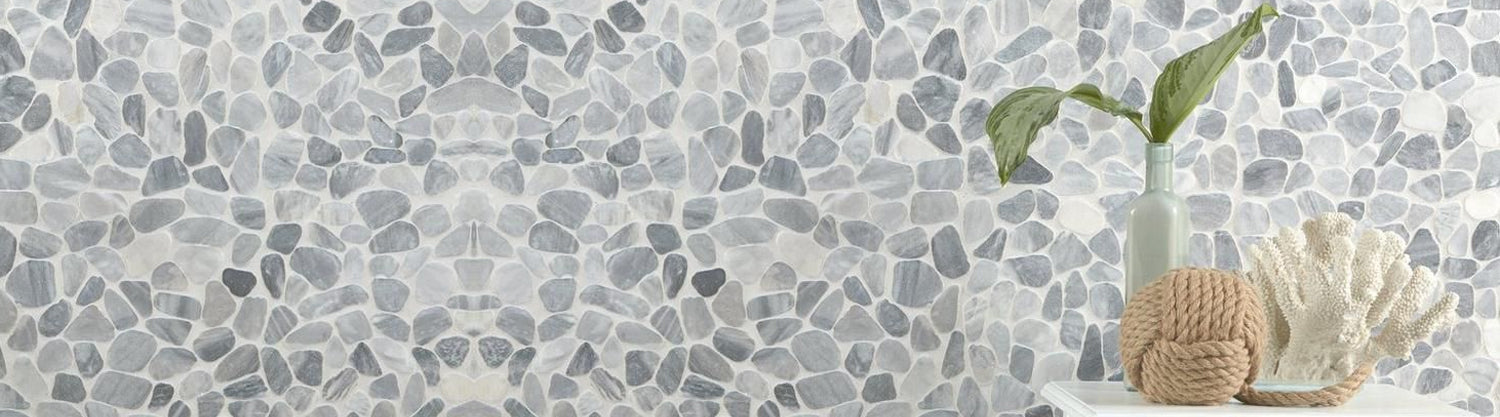
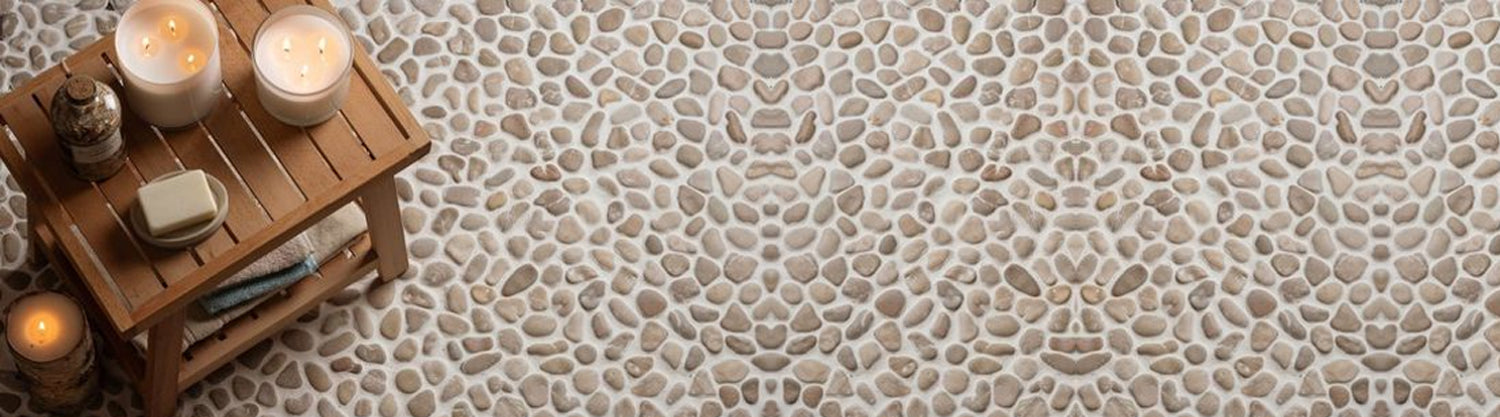
| Pebble / Mosaic stone | $12–$30 | $25–$70 | Shower floors, feature walls | Medium — seal annually |
| Vinyl tile | $1–$12 | $2–$14 | Budget floors (not showers) | Low |
| Terrazzo | $8–$20 | $15–$35 | Floors, vanity backsplash | Low-Medium |
The Real Cost of Natural Stone vs. Porcelain
One of the most common budget mistakes is comparing only the material cost per square foot of natural stone versus porcelain, without accounting for the full installed cost difference. Natural stone tile installation costs 40–100% more than ceramic or porcelain when you factor in: specialist labor rates, the mandatory waterproofing membrane (more critical with porous stone), pre-installation and post-installation sealing, and the use of white non-staining thinset to prevent color bleed-through on light stone. A marble tile that costs $15/sq ft in material may cost $35–$50/sq ft installed versus $9–$20/sq ft for a comparable porcelain.
Modern porcelain technology has narrowed the visual gap between stone-look porcelain and genuine natural stone dramatically. For homeowners weighing both options, our marble vs porcelain tile guide and detailed porcelain vs ceramic vs natural stone comparison both cover the cost, performance, and maintenance tradeoffs comprehensively.
Tile Installation Cost by Room (2026)
Where you're tiling significantly affects the per-square-foot cost — both because of different technical requirements (wet areas need waterproofing; kitchens need precision cutting around cabinets and outlets) and because of the typical tile format and material used in each location.
Shower Tile Installation
The most technically demanding tile installation in a home. Average shower tile cost: $2,700 for a standard shower surround per Angi and HomeAdvisor 2026 data, with a typical range of $1,800–$5,000. Per square foot: $7–$25 installed, though premium materials and complex patterns push this to $50+ per sq ft.
Shower tile costs more than standard floor tile for three specific reasons: mandatory waterproofing membrane ($450–$750 for the membrane and labor), more precision cuts around valves, showerheads, and niches, and the tighter tolerance for a watertight installation in a wet-use environment. For a thorough technical breakdown of everything that goes into a shower installation, our how to tile a shower guide covers every step and cost component. For shower tile selection specifically, our best tile for shower walls guide covers every material option and its installed cost implications.
Bathroom Floor Tile
Average bathroom floor tile cost: $2,400 per Angi 2026 data, with a typical range of $300–$1,300 for smaller bathrooms and $10–$30 per square foot installed. A standard 50 sq ft bathroom floor in ceramic or porcelain typically runs $500–$1,500 all-in. Luxury natural stone on a large master bath floor can reach $3,000–$6,000+. For design guidance on choosing the right tile for your bathroom floor, our bathroom flooring guide and how to choose bathroom tiles are both comprehensive starting points.
Kitchen Floor Tile
Kitchen floor tile is the largest tile project in most homes by square footage. Average cost: $800–$3,000 for a standard kitchen floor per Angi, scaling to $13,500+ for a 300 sq ft kitchen floor in premium material. Per square foot: $8–$25 for ceramic/porcelain, $15–$50 for natural stone. The size of American kitchens has grown significantly over the past decade, making square footage the biggest single driver of kitchen floor tile cost. Our best kitchen floor tiles guide and kitchen tile floor color guide help narrow down material and format choices.
Kitchen Backsplash
Backsplash installation is proportionally more expensive per square foot than floor tile because of the precision cutting required around cabinets, outlets, and appliances. Average backsplash cost: $480–$1,500 for a standard kitchen backsplash per Angi 2026 data. Per square foot: $10–$40 installed, with ceramic at the low end and handcrafted glass tile at the high end. A 25 sq ft backsplash (typical kitchen) typically costs $425–$900 all-in.
For design and material guidance specifically for kitchen backsplash, our kitchen backsplash design trends guide and how to install a tile backsplash guide are both useful companions to this cost overview. Our white kitchen backsplash ideas and stylish kitchen backsplash ideas guides provide visual inspiration for every style and budget.
Entryway / Hallway Floor
Entryway tile is a high-impact installation that's often overlooked in renovation planning. Average cost: $600–$2,500 for a standard entryway. Per square foot: $10–$30 for standard ceramic and porcelain. Complex patterns (diagonal set, herringbone) are particularly popular in entryways and add 15–25% to labor costs — but the visual return for a first-impression space is significant. Our herringbone tile pattern ideas guide covers the most impactful entryway layouts.
Outdoor / Patio Tile
Outdoor tile installation requires frost-rated tile and weather-rated thinset and adhesive systems, which adds $2–$5 per square foot to material costs versus comparable indoor tile. Per square foot installed: $15–$45 for porcelain pavers and stone. Our outdoor porcelain tile installation guide covers the specific technical requirements.
📊 Cost by Room — Summary (2026):
| Room / Area | Average Total Cost | Per Sq Ft (installed) |
|---|---|---|
| Shower (full surround) | $2,700 (range: $1,800–$5,000) | $7–$25 |
| Bathroom floor | $2,400 (range: $300–$3,000) | $10–$30 |
| Kitchen floor | $2,500 (range: $800–$13,500) | $8–$25+ |
| Kitchen backsplash | $900 (range: $480–$1,500) | $10–$40 |
| Entryway / hallway | $1,200 (range: $600–$2,500) | $10–$30 |
| Outdoor / patio | $2,000 (range: $800–$5,000) | $15–$45 |
How Location Affects Your Tile Installation Cost
Labor rates for tile installation vary significantly across the US — by as much as 40–50% between the highest and lowest-cost regions. Material costs are somewhat more consistent nationally (major tile suppliers ship nationwide), but local factors like transport costs and availability of specialty tile can still affect pricing. Here's a current regional breakdown based on 2026 data:
| US Region | Labor Cost (per sq ft) | Total Installed (per sq ft) | Key Cost Driver |
|---|---|---|---|
| West Coast (CA, OR, WA) | $12–$25 | $20–$60 | Highest labor market costs nationally |
| Northeast (NY, MA, CT, NJ) | $10–$22 | $18–$55 | Premium for older home prep; high union labor |
| Mid-Atlantic (DC, MD, VA, PA) | $9–$18 | $16–$48 | Urban metro premium; moderate overall |
| Midwest (IL, OH, MI, MN) | $8–$18 | $14–$42 | Most competitive labor pricing nationally |
| South (TX, FL, GA, NC) | $7–$16 | $12–$38 | Lower labor rates; higher transport for specialty tile |
| Southwest (AZ, NV, NM) | $9–$20 | $14–$45 | Specialized skills for desert climate installations |
| Mountain West (CO, UT, ID) | $9–$19 | $15–$45 | Growing market; labor supply tightening |
Urban areas within any region typically cost 20–30% more than rural locations in the same state, reflecting higher overhead costs for contractors and more competitive labor markets. Getting three or more quotes from local installers is essential — prices vary more between individual contractors in the same market than between regions.
Hidden Costs That Regularly Surprise Homeowners
These are the costs that most initial quotes either don't cover or only mention as "potential additional charges" — until they become concrete line items once work has begun. Understanding them upfront prevents the unpleasant mid-project conversation about budget overruns.
Tile Removal & Demo: $2–$7 per sq ft
Removing existing tile before new installation is one of the most time-consuming parts of any retile project. Breaking the tiles, removing adhesive, and hauling debris adds $2–$7 per square foot to the project. For a 150 sq ft bathroom, that's $300–$1,050 before new tile goes up. Many initial quotes exclude this entirely. Always ask specifically whether demolition is included.
Subfloor Repair: $3–$10 per sq ft
Old tile removal frequently reveals damaged, soft, or uneven subfloor beneath. Water damage, rot, cracked concrete, and delaminated plywood all require repair before new tile can be installed. Subfloor repair costs $3–$10 per square foot depending on severity. This cost is impossible to quote accurately before demolition, which is why experienced contractors quote it as a contingency range.
Waterproofing Membrane: $450–$750
In shower applications, a proper waterproofing membrane (RedGard, Schluter-Kerdi, or equivalent) is not optional — it's the critical barrier that prevents water from reaching your wall framing. Waterproofing material and labor typically adds $450–$750 to a shower tile project. Quotes that don't include waterproofing are quotes that will produce a failing installation within years. Always confirm waterproofing is included in any shower tile quote.
Substrate Leveling: $2–$5 per sq ft
The 2026 industry standard for tile installation specifies a maximum floor variance of 1/8 inch over 10 feet. Any subfloor variance beyond this requires self-leveling compound before tile installation — particularly important for large-format tiles where any unevenness shows as tile lippage. Self-leveling compound adds $2–$5 per square foot to preparation costs.
Cement Backer Board: $1–$3 per sq ft
In wet areas (showers, bathroom floors), tile must be installed over cement backer board — not standard drywall or plywood. If your walls or floor don't currently have backer board, installing it adds $1–$3 per square foot in material and labor. For a complete shower surround, this typically adds $150–$400 to the project total.
Material Overage: 10–15% of tile cost
Every professional installer orders 10–15% more tile than the measured square footage requires, to account for cuts, breakage, and pattern waste. For complex patterns (herringbone, diagonal), this increases to 15–25%. This overage is a material cost, not a labor charge — but it's frequently not included in initial material estimates. Always factor it into your tile budget before ordering.
Sealing (Natural Stone): $130–$650
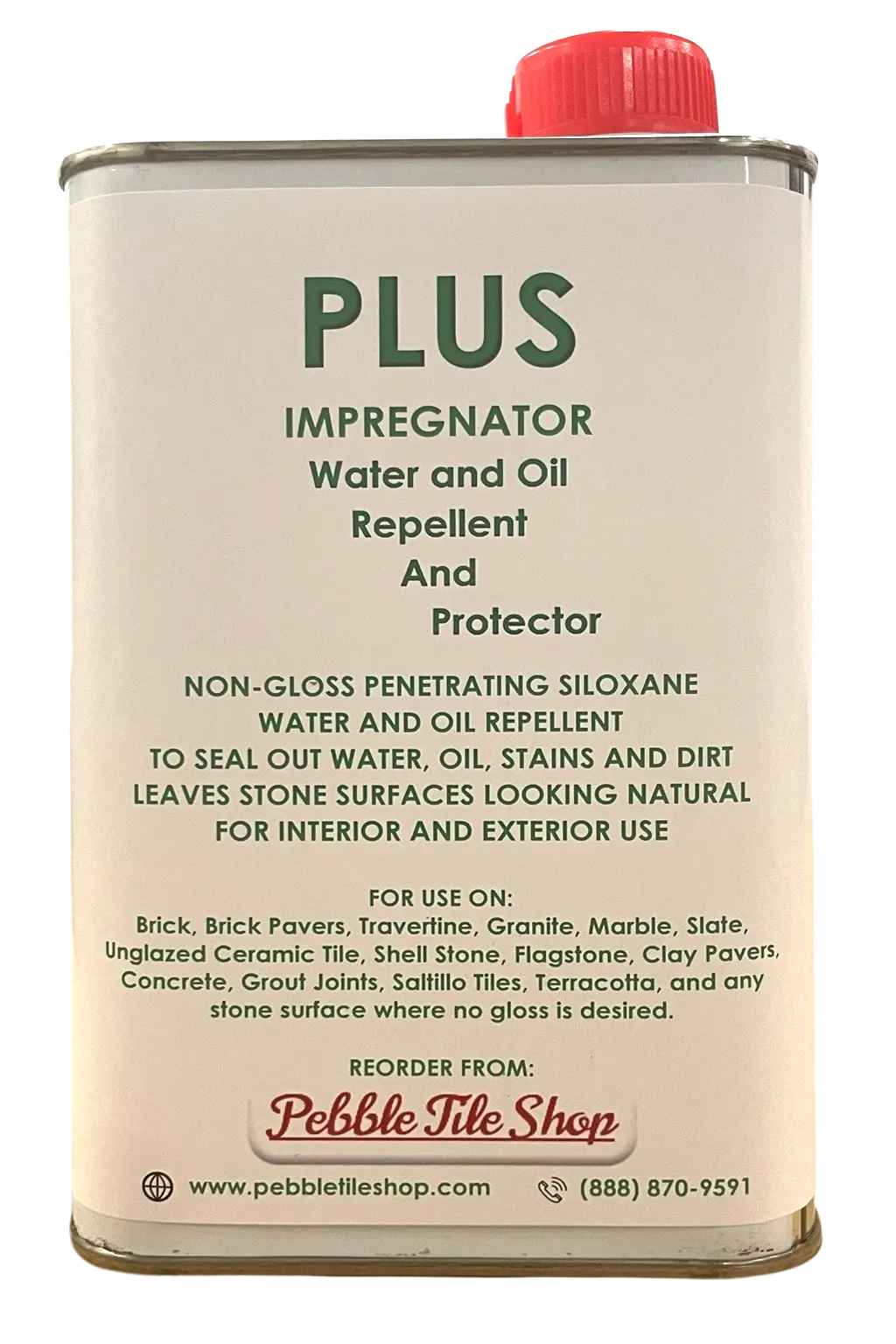
All natural stone tile — marble, travertine, slate, pebble, granite — requires penetrating sealer application before grout and after grouting. Professional sealing adds $130–$650 per project depending on area size and stone type. Some stone-sensitive materials also require re-sealing annually, which is an ongoing maintenance cost to factor into your total cost of ownership. Our tile sealers guide covers this in detail. For specific stone types, see our natural stone bathroom tiles guide.
Permits: $0–$300
Tile installation alone generally doesn't require a permit. However, if your project involves moving plumbing fixtures, opening walls, or changing the structure of the space, local building permits may be required. Check with your local building department before starting any project that involves structural or plumbing changes — unpermitted work can create problems at resale.
⚠ The "Quote Creep" Warning: Many homeowners receive a tile installation quote that seems reasonable, then watch the total climb 25–40% once work begins and hidden costs emerge. The best protection: get an itemized quote (not a single lump sum), ask specifically about demo, subfloor prep, waterproofing, and material overage, and request a written contingency range for each. Contractors who won't provide an itemized quote are the ones most likely to surprise you later.
How Pattern Choice Affects Your Total Cost
Pattern selection is a cost decision as well as a design decision. Complex patterns take longer to install — more cuts, more alignment checks, more precision work — and the time premium translates directly into higher labor costs. Here's the specific premium each pattern type typically commands over a standard straight-set installation:
| Pattern | Labor Premium vs. Straight Set | Material Waste Premium | Combined Cost Impact |
|---|---|---|---|
| Straight / Brick Bond | Baseline (0%) | 10% | Baseline |
| Vertical Stack Bond | +5–10% | 10% | Minimal |
| Large-Format Slab | +15–25% | 15% | Moderate (+$1–$3 sq ft) |
| Herringbone | +20–30% | 10–15% | Significant (+$2–$5 sq ft) |
| Diagonal / Diamond | +15–25% | 20–25% | Significant (+$2–$5 sq ft) |
| Chevron | +25–40% | 15–20% | High (+$3–$7 sq ft) |
| Hexagon Mosaic | +10–20% | 10% | Moderate (+$1–$3 sq ft) |
| Basket Weave | +20–30% | 15% | Significant (+$2–$5 sq ft) |
The budget-conscious approach: use a simpler pattern (straight set, vertical stack bond) for the majority of a shower or floor, and invest in a more complex pattern only where visual impact is highest — the back wall of a shower, a niche, a foyer focal point. This gives you design payoff from the complex pattern while limiting the labor premium to a small portion of the overall square footage. Our 12 shower tile patterns guide covers each pattern's specific labor and waste implications in detail.
DIY vs. Professional Installation: The Real Cost Comparison
The potential labor savings from DIY tile installation are real — typically $3–$15 per square foot, or $1,300–$3,600 on a full shower project per HomeAdvisor 2026 data. But those savings come with real costs and risks that need honest accounting before committing to the DIY path.
✔ DIY Installation
- Save $3–$15 per sq ft in labor
- Save $1,300–$3,600 on an average shower project
- Full creative control over pace and sequence
- Skill development for future projects
- Accessible for simple patterns and standard tile sizes
- Material cost only: avg ~$1,390 for a shower
Real Risks:
- Waterproofing errors lead to $3,000–$15,000 water damage
- Complex patterns require experience to execute correctly
- Tool purchase/rental: $200–$400
- Time commitment: 3–5 days for a standard shower
- Mistakes in large-format or natural stone are costly to correct
⭐ Professional Installation
- Completed in 1 day (pro) vs. 3–5 days (DIY)
- Contractor brings all tools and equipment
- Warranty on workmanship (typically 1–2 years)
- Expert waterproofing — the highest-risk technical step
- Correct handling of natural stone and large-format tile
- Typically req. for complex patterns, premium materials
When Pro Is Worth Every Dollar:
- Any shower tile project (waterproofing expertise)
- Natural stone and large-format slab installation
- Herringbone, chevron, or complex custom patterns
- Projects with existing substrate damage or subfloor issues
- Only bathroom in the house (time pressure)
The honest conclusion: DIY tile installation is genuinely viable for simple projects — straight-set subway tile on a bathroom floor, a basic ceramic kitchen backsplash — where the pattern is accessible and the stakes of a mistake are manageable. For shower installation specifically, the waterproofing step is where amateur mistakes cause the most expensive long-term damage, and even experienced DIYers often benefit from hiring a professional for at least the substrate and waterproofing phase before completing tile installation themselves. See our full technical resource on how to tile a shower for a step-by-step breakdown of every phase and its technical requirements.
10 Proven Ways to Reduce Your Tile Installation Cost
These are practical, real-world strategies that consistently reduce tile project costs without compromising on result quality. Some are material decisions; others are project management choices.
- Choose standard tile sizes (12×12 to 18×18 inch). Standard sizes are the most cost-efficient to install — they require the least cutting, generate the least waste, and most installers are fully practiced with these formats. Unusual sizes (very small mosaic or very large slab) both command higher labor rates. Browse our 6×6 tiles guide and 4×4 tiles guide for accessible, cost-efficient format options.
- Use complex patterns strategically, not throughout. Apply herringbone, diagonal, or chevron only where they deliver the most visual impact — a single feature wall, a niche, a foyer focal point — and use straight-set everywhere else. You get the design payoff without the labor premium across the whole project. Our tile installation ideas and tips guide has practical advice on this approach.
- Combine projects for the same contractor visit. Most installers have minimum fees. Scheduling backsplash + bathroom floor + shower retile in the same window reduces your effective per-square-foot cost and the minimum charge impact.
- Order correctly — don't over-order, don't under-order. Ordering 10–15% overage is standard and correct. Ordering 30% because you're nervous wastes money. Ordering exactly what you measure and running short costs even more — you'll pay a rush fee or discover your production lot is sold out. Calculate square footage precisely, add 15% (20% for complex patterns), and order once.
- Do the demo yourself. Tile removal is labor-intensive but doesn't require specialist skill. Removing existing tile yourself before the installer arrives saves $2–$7 per square foot in labor — $300–$1,050 on a standard bathroom. Just confirm with your contractor that they'll accept a self-demo'd surface before their installation day.
- Choose porcelain over natural stone for wet areas. The material cost difference is often smaller than you'd expect, but the labor savings (no specialist stone handling, simpler thinset, no pre-sealing) are significant. Stone-look porcelain has closed the visual gap dramatically — for a wet area where you want the look without the maintenance cost, it's often the smarter choice. Our marble vs porcelain comparison and porcelain tiles styles and benefits guide cover this trade-off in full.
- Use a simple field tile with one premium accent. Rather than tiling a full shower in expensive natural stone, use affordable large-format porcelain for 80% of the surface and invest in a beautiful herringbone stone mosaic or Calacatta marble mosaic feature wall. You achieve the premium look at roughly 30–40% of the cost of full-surround natural stone. Our bathroom tile design trends guide shows how this approach works in practice.
- Get three or more quotes — always. Price variation between individual contractors in the same market is often wider than variation between regions. Getting three itemised quotes takes a few days but is the single most effective cost-reduction tool available. Always compare apples to apples: ensure all quotes include the same scope (demo, waterproofing, materials, pattern).
- Schedule during off-peak seasons. Tile installers are busiest in spring and early summer. Scheduling for fall or winter typically gives you more contractor availability, better attention on your project, and occasionally more negotiating room on price.
- Invest in tile quality, not tile quantity. A smaller area of genuinely beautiful tile, thoughtfully laid, creates a better result than a larger area of mediocre tile. If budget is constrained, consider a smaller tile project executed with premium material and workmanship rather than a larger project with budget material and baseline labor. Visit our best-selling tile collection, pebble stone mosaics, and glass tile collection for quality options across every budget.
Frequently Asked Questions
How much does tile installation cost per square foot in 2026?
In 2026, tile installation costs $8–$60 per square foot all-in (materials + labor) for most residential projects. Standard ceramic or porcelain in a straight-set pattern runs $10–$25 per square foot installed. Natural stone tile installed by a specialist runs $20–$75+ per square foot. Labor alone averages $3–$22 per square foot depending on tile type, pattern complexity, and US region. Most homeowners spend $2,000 on an average tile project according to Angi 2026 data, with projects ranging from $400 for small spaces to $13,500+ for large kitchen floors in premium material.
How much does it cost to tile a shower in 2026?
The average cost to tile a shower is $2,700 including tile, setting materials, and professional installation, per Angi's 2026 data. Most homeowners pay between $1,800 and $5,000 for a full shower surround. The per-square-foot installed cost ranges from $7–$25 for standard ceramic and porcelain, rising to $30–$70+ for natural stone with specialist installation. Key cost drivers specific to shower tiling: mandatory waterproofing membrane ($450–$750), precision cuts around valves and showerheads, and the tight tolerances required for a watertight wet-area installation.
What is the labor cost to install tile?
Professional tile installation labor costs $3–$22 per square foot in 2026, averaging $8–$15 per square foot for most residential projects. Contractors also charge $60–$120 per hour when billing hourly. Simple straight-set floor tile in ceramic or porcelain typically runs $5–$10 per square foot labor only. Shower tile with waterproofing runs $10–$15 per square foot labor. Complex patterns (herringbone, diagonal, chevron) add 15–25% to labor cost over straight-set equivalent. Natural stone commands the highest labor rates — $12–$22 per square foot — due to specialist handling and sealing requirements.
Is it cheaper to tile floor or walls?
Floor tile installation is generally less expensive per square foot than wall tile — labor runs $5–$10 per sq ft for basic floor versus $7–$14 per sq ft for wall tile. Walls require vertical work and are typically in tighter spaces with more obstacles; floors are horizontal and more accessible. The exception is backsplash tile, which costs more than floor tile ($10–$20 per sq ft labor) because of the precision cutting required around cabinets, outlets, and appliances.
Why does natural stone tile cost more to install than porcelain?
Natural stone tile installation costs 40–100% more than comparable ceramic or porcelain for five specific reasons: specialist handling to avoid chipping delicate edges; mandatory pre-installation and post-installation sealing; the requirement for white non-staining thinset (which costs more than standard gray thinset) to prevent color contamination of porous stone; slower installation pace due to material fragility; and a higher-skilled labor tier that commands premium rates. The material cost difference is often smaller than the labor cost difference — a $15/sq ft marble tile might cost $35–$50/sq ft installed versus $9–$20/sq ft for a comparable porcelain.
Does a complex tile pattern like herringbone cost more?
Yes, significantly. Complex patterns add 15–40% to labor costs over a standard straight-set installation, plus increased material waste (10–25% depending on pattern). Herringbone typically adds $2–$5 per square foot to labor cost. Chevron adds $3–$7 per square foot. Diagonal set adds $2–$5 per square foot plus 20–25% additional material waste from angled perimeter cuts. The practical approach: use complex patterns only where they deliver the most design impact (a feature wall, a niche, an entryway focal point) and straight-set for the majority of the surface area.
What is the cheapest tile to install?
Standard glazed ceramic tile in a straight-set pattern is the most cost-effective tile installation available. Ceramic material costs $1–$15 per square foot, and straight-set labor in a standard format runs $5–$10 per square foot, giving a total installed cost of $7–$25 per square foot. For the floor specifically, choosing a tile in the standard 12×12 to 18×18 inch range minimises cutting and labor time. Vinyl tile is technically cheaper at $2–$14 per sq ft installed, but it's not appropriate for shower applications or high-moisture areas where tile is typically most used.
How much should I budget for unexpected costs in a tile installation?
Budget a 15–20% contingency on top of your quoted project cost for unexpected costs. The most common budget-expanders in tile projects: subfloor damage revealed after demo ($3–$10 per sq ft), tile removal if not included in the original quote ($2–$7 per sq ft), and substrate leveling for uneven surfaces ($2–$5 per sq ft). In older homes (built before 1980), water damage to the substrate behind existing tile is common and frequently more extensive than initial inspection suggests. A 20% contingency is reasonable protection against these discoveries.
Does tile installation add value to my home?
Yes, consistently — particularly in kitchens and bathrooms. According to NKBA and Remodeling Magazine's Cost vs. Value data, a mid-range bathroom remodel (which includes tile work as a significant component) returns approximately 60–67% of its cost at resale. A shower retile specifically returns 55–60% per Angi's 2026 estimate. The highest-returning tile investments are those that address visibly dated or damaged surfaces in primary bathrooms and kitchens — these are the spaces most scrutinised by buyers. Neutral, timeless tile choices (classic subway, natural stone, herringbone stone mosaic) in good condition reliably add perceived value at resale.
Should I hire a tile contractor or a general contractor for tile work?
For tile-only projects, a specialist tile contractor is usually the better choice — they focus exclusively on tile installation, typically have more experience with complex patterns and materials, and often produce higher-quality work than a general contractor who subcontracts tile work out anyway. For larger bathroom or kitchen remodels that involve plumbing, electrical, or structural changes alongside tile, a general contractor makes more sense as the project manager coordinating multiple trades. If you work with a general contractor on a larger remodel, ask specifically who will be doing the tile work — whether it's in-house or a subcontractor whose work the GC warrants.
Building Your Actual Budget: A Practical Checklist
With all the numbers in front of you, here's how to turn them into a real project budget. Start with these five questions: How many square feet am I tiling? What tile material and format am I planning to use? What pattern am I choosing? What are the substrate conditions? Am I in a wet area that needs waterproofing? Each answer refines your estimate from the broad national ranges above into a number that's meaningful for your specific project.
Then add your contingency. For a bathroom remodel or shower retile in an older home, 20% above your quoted project cost is a prudent buffer. For a new build or a home with known-good substrate conditions, 15% is usually sufficient. And always get three itemised quotes — not three lump-sum bids — before committing to a contractor.
Finally, remember that tile installation is a long-term investment, not a short-term purchase. A well-executed shower tile installation in quality material can last 30–50 years. The contractor who costs 15% more and does the waterproofing correctly will cost you less over the life of the installation than the contractor who wins the bid and cuts corners on the membrane. The single most useful technical resource for understanding what correct shower tile installation looks like — from substrate to sealing — is our complete how to tile a shower step-by-step guide. For tile selection guidance across every application, our tile installation ideas and tips guide covers material choices, layout approaches, and room-specific considerations in full. And to compare the best tile types for specific rooms, our best tile for shower walls, natural stone bathroom tiles guide, and how to lay floor tiles guide are all practical next reads.